Why Choose Grinding Precision Parts for Your Business?
When a shaft must turn smoothly, a seal must sit without leakage, or a bearing must hold its position, tiny variations can create costly problems. Grinding Precision Parts helps manufacturers control those details, especially when components need tight tolerances, fine finishes, or consistent dimensions across production runs. The value is practical: fewer fitting surprises, steadier assembly, and parts that perform as designed. Small details matter.
The result depends on more than a grinding machine. Wheel choice, workholding, temperature, inspection, and operator experience all shape the finished part. A few microns can matter. Grinding specialist Dr. Jeffrey Badger’s published work on abrasive machining is a useful technical reference. The following line is an editorial summary, not a verbatim quotation: “Precision comes from controlling the whole grinding process, not from relying on the machine alone.” That distinction helps buyers ask better questions about capability, measurement methods, and repeatability. It also keeps expectations grounded: not every geometry or material suits the same grinding approach. For your business, the right supplier should explain trade-offs clearly, show how critical dimensions are verified, and flag risks before production begins. Even a polished sample is not the full story. Consistent results over time are what count.
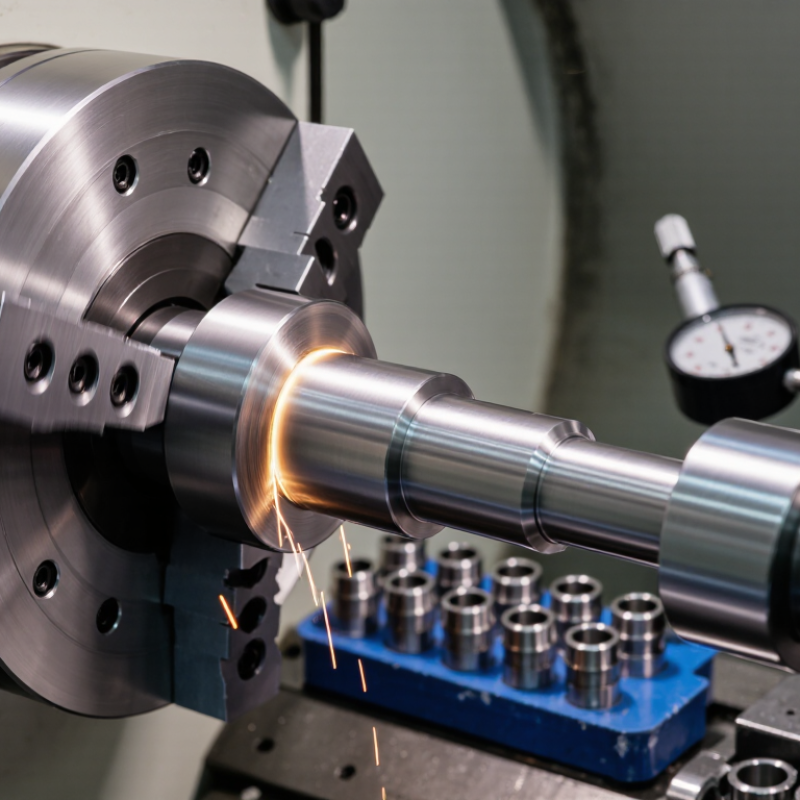
What Grinding Precision Parts Are and How They Are Made
Grinding precision parts are components finished with an abrasive wheel to meet specific dimensions and surface requirements. They often include shafts, pins, sleeves, and flat plates. These parts may need to fit closely with another component or move smoothly inside an assembly.
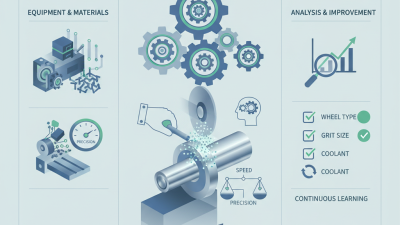
A grinding machine turns the wheel while the part is held, rotated, or moved beneath it. The wheel removes tiny amounts of material. A machinist selects the wheel, speed, and feed based on the material and drawing. Coolant helps control heat and carries away abrasive debris. Small details matter. A worn wheel or poor setup can leave uneven marks or shift a dimension.
Grinding is not magic.
The process often follows turning or milling, when most of the material has already been removed. Operators check dimensions with micrometers, gauges, or other suitable tools, and may inspect the surface for signs of damage. A close measurement is useful, but it does not tell the whole story. Heat, clamping pressure, and measurement technique can affect results. That part is easy to underestimate. Careful planning helps, though each job still deserves its own checks.
How Grinding Delivers Tight Tolerances and Fine Surface Finishes
Grinding precision parts helps manufacturers achieve dimensions that can be difficult to hold with other cutting operations. A controlled abrasive wheel removes small amounts of material from a shaft, bore, or flat face. This can bring a feature close to its specified size while producing a fine, consistent surface. Small changes matter.
Results depend on more than the machine. Wheel selection, dressing, workholding, coolant flow, and part geometry all influence tolerance and finish. A slender shaft, for example, may deflect under pressure, while excess heat can affect size or surface integrity. Operators adjust feed and infeed, then inspect critical features with suitable gauges or measuring equipment. Check twice.
Grinding is useful for features such as bearing seats and closely matched mating surfaces. Surface roughness can be checked against specified values, while dimensions are measured against the drawing’s tolerance limits. A finer finish may add time without improving how a part functions. Results can also vary with material and shape, so a sample run may reveal issues that a drawing cannot. Review the measurements and adjust the process where needed.
Key Business Benefits of Using Ground Precision Components
Why Choose Grinding Precision Parts for Your Business?
Key Business Benefits of Using Ground Precision Components
Ground precision components can help businesses maintain consistent dimensions in pumps, spindles, and bearing assemblies. Grinding removes small amounts of material, making it useful when a part needs tighter size control, roundness, or surface finish. That consistency matters. Parts may fit with fewer adjustments, while technicians spend less time correcting uneven contact or excessive runout. Small differences matter. In repeat production, stable dimensions can reduce scrap and make assembly times more predictable. A measured surface can also support reliable performance where friction and heat are concerns.
The benefits depend on careful process planning. Material hardness, wheel selection, coolant flow, and inspection methods all affect the finished part. For example, checking a shaft’s diameter and runout after grinding provides clearer evidence than judging its finish by eye. Not every part needs grinding. The process can add cost and lead time when a drawing does not call for close tolerances. A supplier who reviews critical dimensions before quoting can help identify where grinding brings practical value. Early sample inspection is sensible, too, since actual results can vary with part geometry and shop conditions.
Why Choose Grinding Precision Parts for Your Business?
Indicative precision-grinding target ranges for common component characteristics. Tighter dimensional control, smoother surfaces, and improved roundness can support consistent assembly and product quality.
Illustrative engineering ranges only; achievable results depend on material, part geometry, equipment, and inspection method. Dimensional tolerance is shown as the tolerance magnitude.
Industries and Applications That Depend on Grinding Precision Parts
Why Choose Grinding Precision Parts for Your Business?
Industries and Applications That Depend on Grinding Precision Parts
Grinding precision parts supports industries where small surface errors can affect performance. In automotive manufacturing, ground shafts, bearings, and gear components help maintain smooth motion and consistent fits. The International Energy Agency’s Global EV Outlook 2024 reports nearly 14 million electric cars were sold in 2023, about 18% of global car sales. That shift creates demand for accurately finished motor and drivetrain components. Fit is unforgiving.
Medical devices also depend on controlled dimensions and smooth finishes in components such as instrument shafts and implant parts. Grand View Research valued the global medical devices market at USD 512.29 billion in 2022 and forecast 5.9% annual growth through 2030. This market figure does not measure grinding demand directly, but it shows the scale of an industry that relies on precise manufacturing. Aerospace and industrial automation have similar needs, from turbine components to robotic joints. Still, grinding is not magic: poor fixturing or heat control can compromise a part.
Tips: Define tolerances, material, and surface-finish requirements before choosing a grinding process. Ask how the supplier monitors wheel wear and part temperature. Inspect sample parts under the same conditions used for production. A polished surface alone proves little.
Factors to Consider When Choosing a Grinding Parts Supplier
Why Choose Grinding Precision Parts for Your Business?
Factors to Consider When Choosing a Grinding Parts Supplier
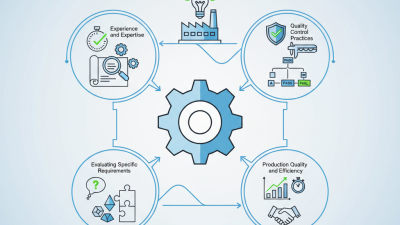
Choosing a grinding supplier is about more than comparing unit prices. A capable partner should understand your material, drawing tolerances, surface-finish requirements, and production volume. Ask how the shop controls wheel wear, temperature, and part distortion. Ask for evidence. Request sample inspection reports and check whether measurements match the features that matter most to your assembly. A polished certificate alone cannot prove every part will fit.
Inspection capability and traceability deserve close attention. Confirm the supplier uses suitable, calibrated measuring equipment and can link inspection results to batches. ISO 9001 outlines quality-management requirements, but certification is only a starting point; ask how nonconforming parts are handled and how process changes are communicated. In Deloitte and MAPI’s 2024 Smart Manufacturing Survey, 86% of respondents said smart manufacturing would drive competitiveness within five years. Digital records can help, provided the shop-floor data matches the parts shipped.
Also assess communication, capacity, and realistic lead times. Ask for a trial run before committing a critical component to full production. Review how the supplier handles rush orders, material changes, and repeat jobs. A low quote may hide setup costs or weak inspection coverage. No supplier is perfect; even a strong shop may need time to stabilize a new geometry. What matters is whether it explains the risk clearly and shares a practical corrective plan.