How to Achieve High Precision in Grinding Precision Parts?
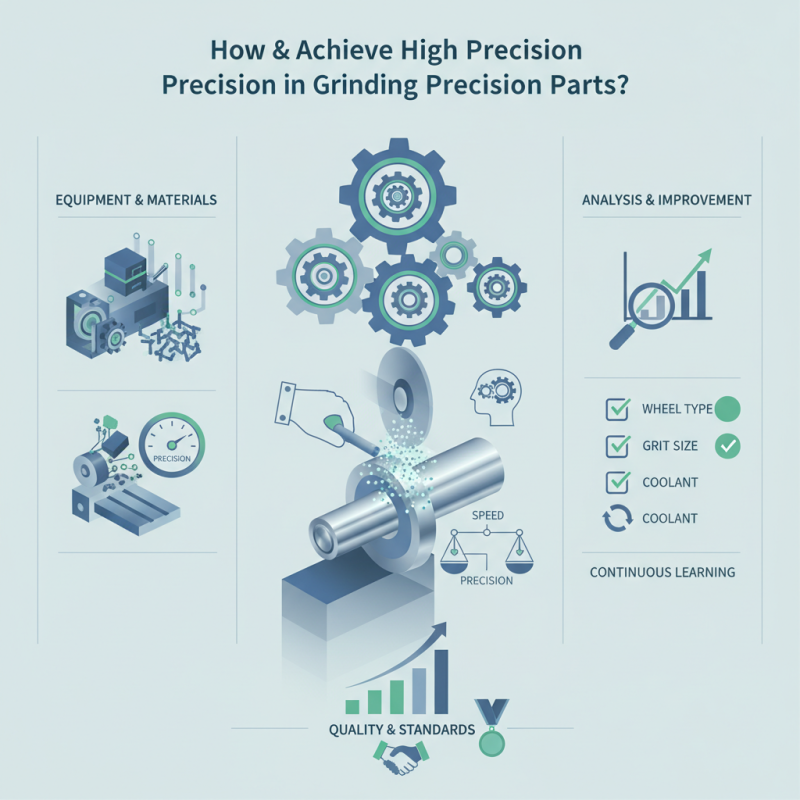
Achieving high precision in grinding precision parts is no small feat. It requires a deep understanding of both the equipment used and the materials involved. Effective grinding processes hinge on precision, accuracy, and attention to detail. Many engineers face challenges in meeting tight tolerances and achieving the desired surface finish.
Precision in grinding also hinges on operator skill and experience. The operator's knowledge can significantly influence the outcome. Inappropriate techniques or poor machine settings may lead to inconsistencies. Maintaining the right balance between speed and precision is crucial. Mistakes can result in costly rework or scrap.
It’s essential to analyze each grinding operation rigorously. Identifying the variables—such as wheel type, grit size, and coolant use—will guide improvement efforts. Continuous learning from both successes and failures shapes a culture of precision. Refining these processes can elevate the quality of grinding precision parts, ultimately fulfilling customer expectations and industry standards.
Understanding the Fundamentals of Precision Grinding Techniques
Precision grinding is essential for producing high-quality parts in various industries. Understanding the fundamentals of this process can significantly impact output quality. Precision grinding involves material removal through high-speed rotation of abrasives. A key factor is selecting the right wheel type. According to the Grinding Wheel Institute, choosing an appropriate wheel can improve productivity by 25%.
Effective coolant application is crucial in reducing heat generation during grinding. Insufficient cooling can lead to alterations in material properties. Research highlights that excess heat can affect tolerances, resulting in less precision. It's noted that up to 80% of heat can be managed with proper coolant techniques.
Grinders should be calibrated frequently to maintain accuracy. Misalignment can result in discrepancies in dimensions. Reports suggest that nearly 10% of newly setup machines require recalibration within their first week. Moreover, operator training plays a pivotal role in achieving high precision. Skilled operators can navigate the nuances of the process, enhancing overall output.
Selecting Appropriate Materials for High Precision Grinding
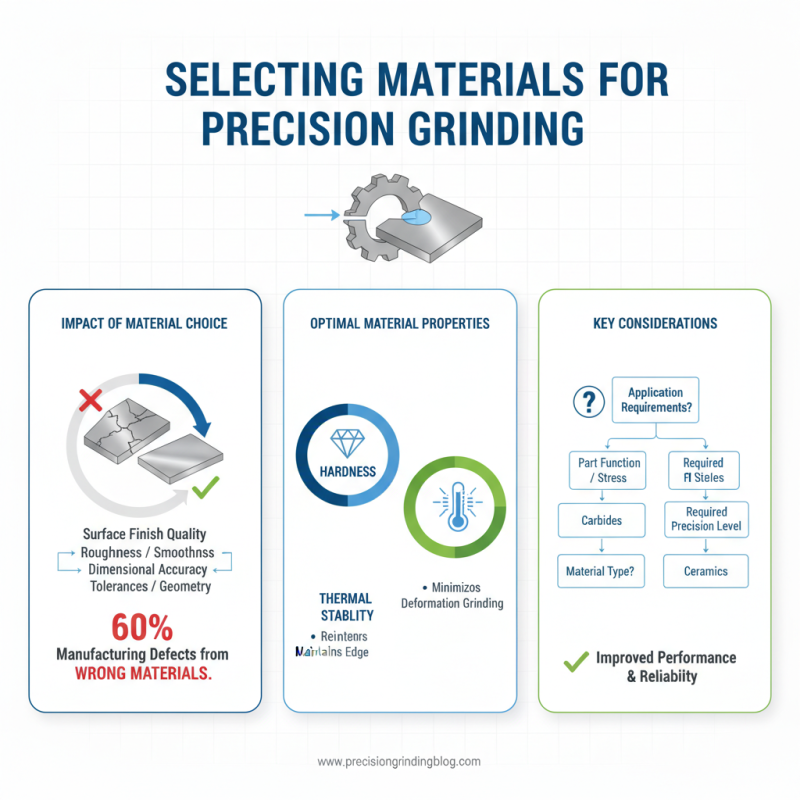
Selecting the right materials for high precision grinding is crucial. The choice can significantly affect the surface finish and dimensional accuracy of precision parts. For instance, recent industry reports indicate that over 60% of manufacturing defects arise from inadequate material selection. This highlights the importance of using materials that offer optimal hardness and thermal stability for grinding processes.
Common materials used in precision grinding include hardened steels and ceramics. Hardened steels are known for their toughness. They provide a good balance of wear resistance and machinability. Ceramics, on the other hand, offer excellent hardness and thermal resistance. However, they can be brittle, which may lead to chipping. This discrepancy emphasizes the need for careful evaluation during the material selection process.
In practice, monitoring the grinding environment is equally essential. Parameters such as coolant type and grinding wheel specifications play a role. Reports also show that the right coolant can improve surface finish by as much as 30%. Inadequate cooling may cause thermal damage to parts, affecting their integrity. Therefore, the synergy between material properties and grinding setup requires ongoing analysis and adjustment.
Optimizing Grinding Parameters for Enhanced Precision
Achieving high precision in grinding precision parts requires careful optimization of various grinding parameters. Key factors include wheel speed, feed rate, and depth of cut. Research indicates that adjusting the wheel speed by just 10% can result in a variation of surface finish quality by up to 50%. A balance between these parameters is essential. Operators often overlook this complexity, leading to inconsistent results.
Understanding material properties plays a crucial role in this process. Harder materials may require a slower feed rate but can handle greater depths of cut. A study by the American Society of Mechanical Engineers (ASME) found that incorrect feed rates contribute to about 30% of production defects in grinding operations. Adjusting these settings based on material characteristics can enhance precision significantly.
However, it’s not only about machinery and settings. Operator skill is vital. Experience directly affects the ability to identify subtle changes in grinding performance. Training programs emphasizing the nuances of grinding can lead to a more reliable production line. Keeping records of past grinding activities, analyzing failures, and implementing feedback loops are crucial. This disciplined approach can drive continuous improvement and achieve the desired precision in parts manufacturing.
Implementing Quality Control Measures in Grinding Processes
Implementing effective quality control measures in grinding processes is crucial for achieving high precision in precision parts. According to a report by the International Journal of Advanced Manufacturing Technology, about 25% of grinding defects are due to improper machine settings and material inconsistencies. Regular monitoring of machine parameters can help in reducing these defects significantly.
One effective method is to incorporate real-time measurement tools. These tools can capture process variations promptly, allowing for immediate adjustments. For instance, implementing laser measurement systems has been shown to enhance accuracy by up to 30%. However, reliance on technology alone can lead to overlooking human factors. Operators may not always react to data as expected, leading to miscalculations.
Moreover, frequent calibration of equipment is essential. Studies indicate that uncalibrated machines can lead to tolerances that exceed specifications. Maintaining a rigorous calibration schedule can mitigate this risk. Still, even a perfectly calibrated machine can produce subpar results if operators lack training. Thus, continuous education and assessment of staff must be part of the quality control framework.
Understanding Precision in Grinding Processes
Utilizing Advanced Technology and Tools for Precision Enhancement
Achieving high precision in grinding precision parts requires the right blend of technology and tools.
Advanced machinery, including CNC grinders, has transformed the manufacturing landscape.
These machines offer pinpoint accuracy and consistency in producing intricate components.
Tips: Regular maintenance of your grinding tools can significantly enhance performance.
Ensure that cutting tools are sharp. Dull tools can lead to inaccuracies in the finished products.
Utilizing computer-aided design (CAD) software is another step toward precision. CAD allows engineers to create detailed designs,
highlighting critical dimensions and tolerances. This precision aids operators during the grinding process,
ensuring the parts meet specifications.
Tips: Invest time in training operators on CNC technology. A knowledgeable team can prevent errors that may arise
from machine misuse. Continuous education helps refine techniques and keeps quality standards high. Remember,
tools can wear down over time, impacting precision.
Regular inspections are essential.