What is Optical Cnc Parts and How Are They Used?
Optical CNC parts are essential components in modern manufacturing processes. These parts have gained recognition for their precision and versatility. They are widely used in various industries, from optics to aerospace.
The creation of Optical CNC parts involves intricate design and advanced technology. Utilizing computer numerical control (CNC) allows for high accuracy in shaping parts. However, the complexity of crafting these components can lead to challenges. Manufacturers must ensure the details are perfect. Any minor mistake can affect the final product's functionality.
In applications, Optical CNC parts serve multiple purposes. They can be found in high-end cameras, laser systems, and medical devices. Their reliability and performance are crucial for these applications. Understanding the specific requirements is vital for successful integration. As industries continue to evolve, the demand for high-quality Optical CNC parts will undoubtedly grow.
What Are Optical CNC Parts?
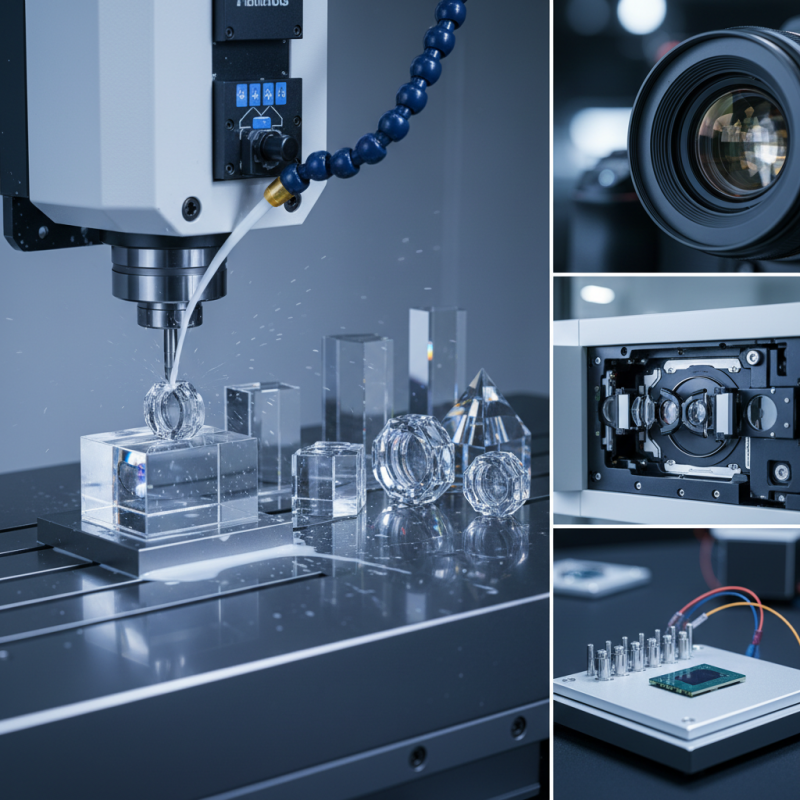
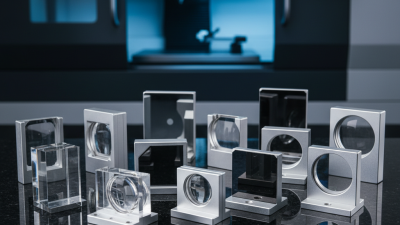
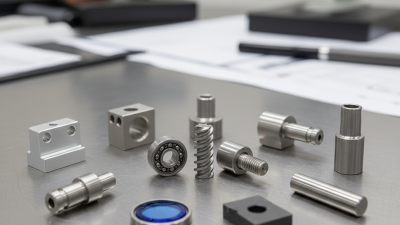
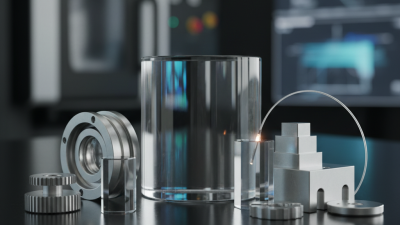
Optical CNC parts play a crucial role in the manufacturing and precision industries. These components are designed using advanced CNC (Computer Numerical Control) techniques specifically for optical applications. They are often used in devices that require precise light manipulation, such as cameras, microscopes, and laser systems. These parts can include lenses, mirrors, and housing elements that ensure accurate focus and light transmission.
Creating optical CNC parts requires a deep understanding of light behavior. The design process is not always straightforward. Engineers must consider factors like material choice, surface finish, and alignment accuracy. A small error can result in significant performance issues. Testing various prototypes helps find the right balance.
Tips: When designing optical parts, consider the environment they will operate in. Factors like temperature and humidity can affect performance. Also, always double-check measurements to avoid costly mistakes. Each design iteration brings new challenges. Engaging with experienced professionals can provide valuable insights.
What is Optical CNC Parts and How Are They Used? - What Are Optical CNC Parts?
| Part Name |
Material |
Application |
Precision (mm) |
| Lens Holder |
Aluminum |
Laser Systems |
±0.01 |
| Optical Bench |
Stainless Steel |
Optical Testing |
±0.05 |
| Mirror Mount |
Brass |
Research Labs |
±0.02 |
| Objective Lens |
Optical Glass |
Microscopes |
±0.005 |
| Optical Plate |
Glass |
Optical Devices |
±0.01 |
The Manufacturing Process of Optical CNC Parts
The manufacturing process of optical CNC parts is intricate and fascinating. Computer Numerical Control (CNC) technology enables precise fabrication of optical components. These parts are essential for applications like cameras, microscopes, and various high-tech devices.
Precision machining is critical in creating optical surfaces. Manufacturers often utilize high-powered lasers and advanced cutting tools. The process ensures accuracy at microscopic levels. Each step requires a keen eye for detail. Even minor errors can lead to significant performance issues.
Tips: Quality control is vital. Regularly inspect your CNC machinery to avoid inconsistencies. Utilize simulation software to anticipate problems before production starts. Training staff in the latest techniques will enhance overall efficiency.
Choosing the right materials is also essential. Different materials respond uniquely to machining processes. Optical glass, for instance, may require specialized handling. Understanding the properties of each material can improve finished product quality.
Innovations in optical CNC technology continue to emerge. Staying informed on trends can lead to better decision-making. Embrace continuous learning to adapt to industry shifts. This will ensure that your manufacturing process remains robust and competitive.
Applications of Optical CNC Parts in Various Industries
Optical CNC parts are increasingly vital across multiple industries. Their precision and adaptability allow for a variety of applications. In the aerospace sector, these components are crucial for manufacturing intricate parts, such as lenses and mirrors used in navigation and communication systems. According to a recent report by Market Research Future, the optical components market is projected to reach USD 28.5 billion by 2025, driven by the growing demand for advanced technologies.
Medical devices also rely heavily on optical CNC parts. They are used in surgical instruments, diagnostic tools, and imaging systems. For instance, high-precision optics in endoscopes are essential for accurate diagnostics. The global medical optics market is expected to grow at a CAGR of 6.2% from 2020 to 2027, indicating a robust trend towards quality and precision.
Tips: When working with optical CNC parts, ensure proper calibration. Even slight misalignments can lead to significant errors in applications. Regular maintenance is also key. Keeping equipment in optimal condition ensures longevity and reliability in production. Incorporating these practices can improve operational efficiency, yet many overlook this aspect.
Applications of Optical CNC Parts in Various Industries
Benefits of Using Optical CNC Parts Over Traditional Methods
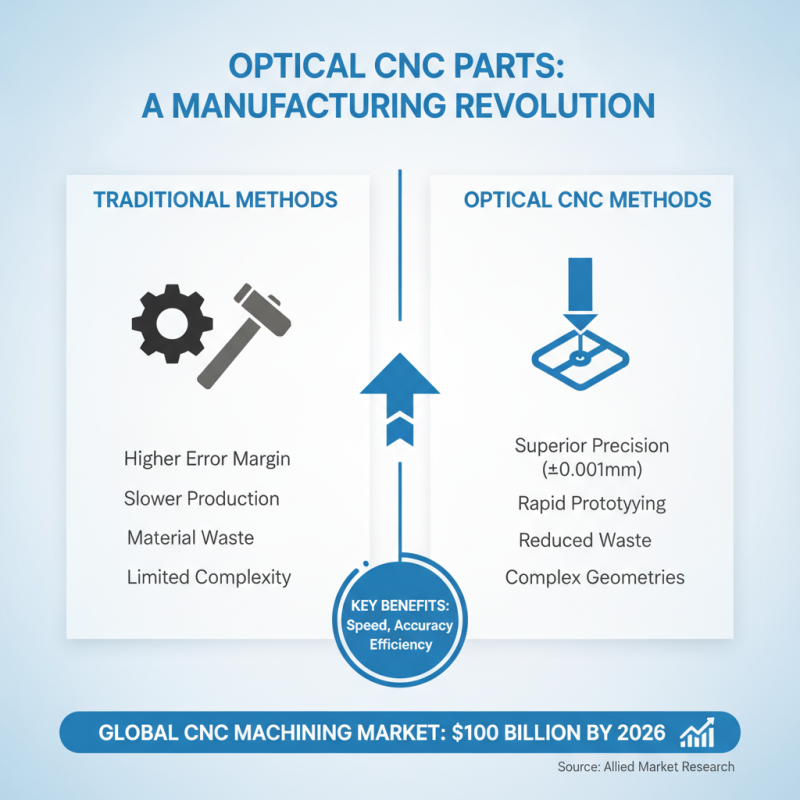
Optical CNC parts have revolutionized manufacturing processes. These components offer precision in cutting and shaping materials using laser technology. Unlike traditional methods, optical CNC machining ensures a lower margin of error. According to a market report from Allied Market Research, the CNC machining market is projected to reach $100 billion by 2026. This surge demonstrates the growing reliance on advanced technologies.
One significant advantage of optical CNC parts is their efficiency. Traditional methods often lead to material waste and longer production timelines. In contrast, optical CNC machining minimizes waste by precisely targeting material during fabrication. A study by the National Institute of Standards and Technology found that optical machining can reduce material waste by up to 30%. However, companies must invest in training to fully utilize these advanced systems. This learning curve can be a barrier.
Cost is another critical factor. Although optical CNC parts may have a higher upfront cost, they can offer long-term savings. They improve the speed of production and reduce operational downtime. Businesses can adapt swiftly to changing demands. Yet, the complexity of these systems may challenge some operators. Embracing this technology requires a balance between investment and skill development.
Future Trends in Optical CNC Parts Technology
The future of optical CNC parts technology is intriguing. As industries evolve, the demand for precision and customization increases. New developments in laser cutting and optical sensors enhance manufacturing capabilities. These advancements enable the creation of intricate designs with unparalleled accuracy.
Innovation is driving the integration of smart technologies into optical CNC systems. Real-time monitoring and adaptive control can significantly reduce errors. However, implementing these technologies involves challenges. Not all manufacturers are ready to invest in new equipment. There can be a knowledge gap regarding existing technologies and their potential.
Sustainability is another critical aspect. Eco-friendly materials and processes are becoming priorities. This shift, however, requires adaptation and often a complete overhaul of current practices. As companies strive to keep pace, they must weigh the costs and benefits of adopting new methods. The path ahead for optical CNC parts is filled with promise but also uncertainty.