Best Precision Components for Global Procurement Needs?
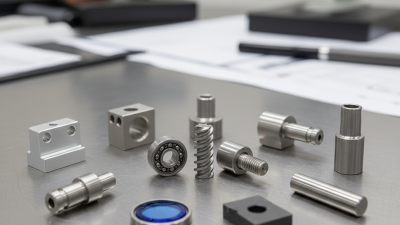
In today's global market, the demand for precision components is on the rise. These components play a critical role in various industries such as aerospace, automotive, and electronics. Each sector requires high-quality parts to ensure efficiency and reliability. However, sourcing precision components can be challenging.
Different suppliers offer varying standards and capabilities. It raises questions about quality assurance and consistency. Buyers must evaluate suppliers based on experience and specialization. This evaluation process is crucial to avoid costly mistakes. Each decision can impact the overall quality of the final product.
Navigating the world of precision components requires not only expertise but also a strategic approach. Companies must remain alert to shifts in market trends. The landscape of global procurement is constantly evolving. Identifying reliable suppliers is essential for long-term success. Embracing transparency and communication can help foster better partnerships.

Overview of Precision Components in Global Procurement
In today's global procurement landscape, precision components play a crucial role. Industries rely heavily on these parts for their performance and efficiency. Understanding their importance is essential for successful procurement strategies.
Quality is paramount. Precision components must meet strict specifications. This ensures that they fit seamlessly into existing systems. A mismatch can lead to significant downtime. Buyers should focus on suppliers with a proven track record of reliability. Evaluate their certification and quality assurance processes carefully.
**Tip:** Always request samples before committing to large orders. This can save time and money.
The supply chain for precision components is complex. Various factors, such as lead time and logistics, influence procurement decisions. Disruptions in the supply chain can impact production schedules. Risk management strategies are vital. Diversifying suppliers can mitigate these risks and improve resilience.
**Tip:** Keep communication lines open with suppliers. Transparency fosters trust and helps foresee potential issues.
Key Factors Influencing the Selection of Precision Components
Selecting precision components for global procurement involves several critical factors. First, the quality of materials is crucial. Reports show that 45% of companies emphasize materials’ precision in their selection processes. Components made from high-grade materials ensure reliability and longevity, directly impacting performance.
Another important consideration is supply chain efficiency. A study indicated that 50% of procurement professionals find supply chain delays significantly affect project timelines. Therefore, understanding suppliers’ capabilities and lead times is essential. Companies should gather data on past performance to gauge reliability.
Price is also a key factor, but it should not overshadow quality. The market dynamics reveal that 30% of procurement decisions focus solely on cost, leading to potential risks in quality. Balancing cost with compliance and performance metrics is vital.
In this complex landscape, potential shortcomings must be addressed. Overlooking detailed supplier evaluations can lead to procurement pitfalls. Adequate research and informed decision-making are essential for successful global procurement of precision components.
Best Precision Components for Global Procurement Needs
Leading Suppliers and Manufacturers of Precision Components
The demand for precision components in various industries continues to grow globally. A 2022 market research report indicated that the precision components market is projected to reach USD 300 billion by 2027, reflecting a CAGR of 6.5%. This growth is driven by advancements in technology, particularly in sectors like aerospace, automotive, and medical devices. Amidst this increasing demand, identifying reliable suppliers and manufacturers becomes crucial for seamless procurement.
Leading manufacturers are innovating to meet the high standards set by industries. Many are adopting advanced manufacturing technologies, such as additive manufacturing and automation, to enhance precision and efficiency. A notable report highlighted that over 70% of precision component suppliers are investing in Industry 4.0 technologies. This investment is essential for maintaining competitiveness and ensuring quality control. However, there remain challenges, such as price fluctuations and supply chain disruptions that require careful evaluation.
Sustainability has become a priority for many precision component manufacturers. A survey showed that nearly 60% of industry players are working towards more eco-friendly production methods. Despite these efforts, the balance between cost and sustainability poses a dilemma. Importantly, companies must adapt and rethink their sourcing strategies to align with evolving global standards. Continuous improvement and transparent practices will define success in this intricate market landscape.
Trends and Innovations in Precision Components for Procurement
In the procurement landscape, precision components are witnessing significant trends. Advanced technologies are enhancing the production of these parts. Automation and smart manufacturing are leading the charge. They help reduce errors and improve productivity. This shift is essential for meeting global demands.
Sustainability is another crucial focus. Many manufacturers are adopting eco-friendly materials and processes. These innovations not only help the environment but also meet consumer demand for responsible sourcing. Despite these advances, challenges remain. Not all suppliers can guarantee consistent quality. This inconsistency can lead to procurement delays. It is vital for organizations to audit their suppliers regularly.
Collaboration among manufacturers and designers is increasing. This teamwork fosters innovation in precision components. However, organizations must be cautious. Rapid changes can disrupt existing supply chains. Staying adaptable is key. Balancing innovation with reliability is a continuous challenge, requiring constant vigilance and assessment.
Challenges in Sourcing Precision Components Globally
Sourcing precision components globally presents various challenges. Suppliers often vary in quality and capability. It’s crucial to understand the regulatory environment in each region. Different standards can lead to inconsistencies in product performance. Communication issues can further complicate procurement efforts. Misunderstandings may arise from language barriers or cultural differences.
Tip: Establish clear specifications for your components. This reduces ambiguity and helps suppliers understand your exact needs. Provide detailed drawings and tolerances to avoid any confusion.
Logistical hurdles can also impede the procurement process. Shipping delays and customs clearance can hold up critical projects. Companies need to plan for these possibilities and develop contingency strategies. While global sourcing offers benefits, it’s not without risks.
Tip: Foster strong relationships with multiple suppliers in different regions. This ensures you have alternatives when issues arise. Always have open lines of communication to navigate obstacles smoothly.