Top Medical Precision Machining Techniques for the Future of Healthcare?
The landscape of healthcare is rapidly evolving, driven by innovations in technology. Medical Precision Machining stands at the forefront of this transformation. This technique involves crafting medical devices with exceptional accuracy. As the demand for high-quality, reliable healthcare tools grows, so does the significance of precision machining.
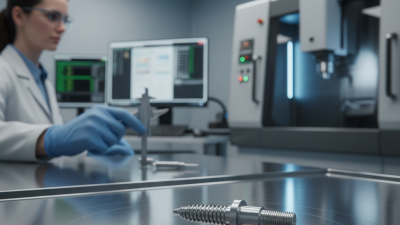
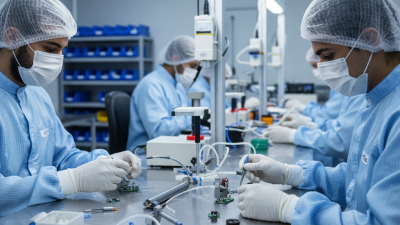
In recent years, many hospitals and clinics have relied on advanced machining for surgical instruments and implants. These tools require meticulous design and production. They must meet stringent safety and performance standards. Engaging with expert machinists is crucial. Their skills ensure that devices can withstand rigorous use while maintaining patient safety.
Yet, the journey isn't without challenges. Innovative machining techniques may become obsolete, as technology continues to advance. It's essential for manufacturers to adapt and evolve. Reflection on current methods is necessary to meet the future demands of health care professionals. Balancing quality with cost-effectiveness remains a pressing concern. Embracing this forward-thinking mindset will help shape the future of Medical Precision Machining in healthcare.
Advancements in CNC Machining Techniques for Medical Devices
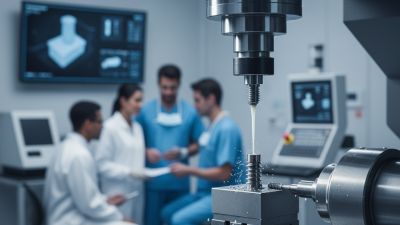
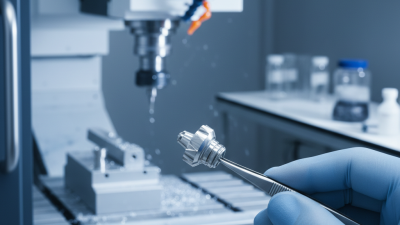
Advancements in CNC machining techniques are set to revolutionize medical device manufacturing. With increased precision and efficiency, CNC machinery enables the creation of complex components that were once difficult to produce. Intricate geometries are now achievable, enhancing device functionality. This precision is critical for implants, surgical instruments, and diagnostic tools. Every detail matters in healthcare.
However, challenges remain. Not all facilities have access to the latest CNC technology. Some procedures can fall short of quality standards due to outdated equipment. Training personnel in advanced machining techniques is vital. Skilled operators are necessary to maximize the capabilities of modern CNC machines. Lack of expertise can lead to mistakes that compromise safety and effectiveness.
Moreover, the materials used in medical devices are also evolving. Biocompatible materials are being developed for better patient outcomes. CNC machining must adapt to these new materials. Adjustments to machining parameters are essential for ensuring successful outcomes. Continuous innovation is required, but the path forward is not always clear. The industry must remain open to feedback and improvements.
The Role of 3D Printing in Precision Machining for Healthcare
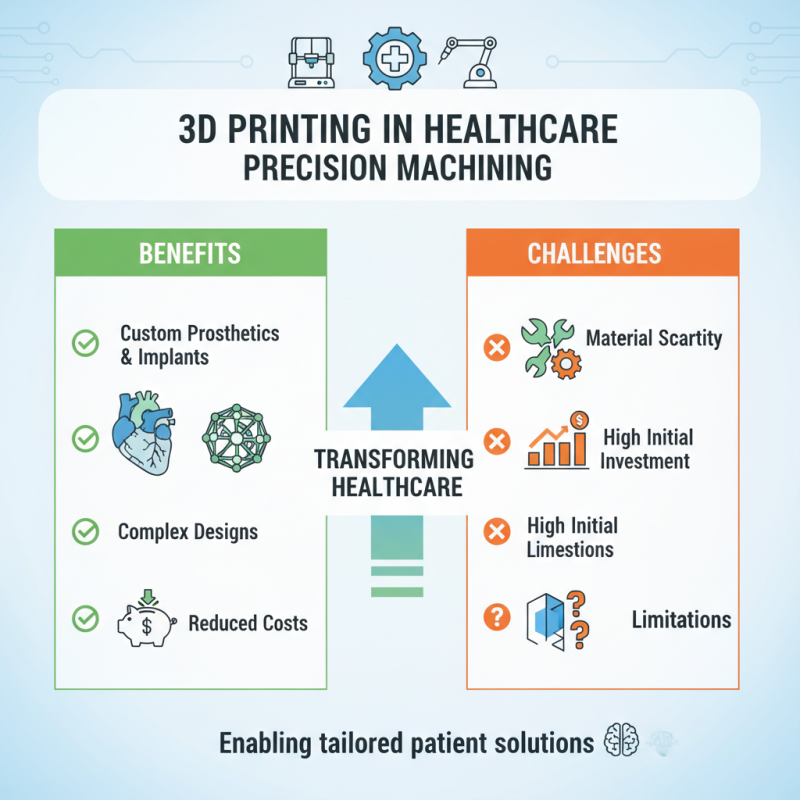
The integration of 3D printing in precision machining is transforming healthcare. It allows for custom-made prosthetics and implants tailored to individual patient needs. This technology can create complex designs that traditional machining cannot. Scarcity of resources and high costs often challenge healthcare innovations. 3D printing can alleviate some financial burdens, but it isn't without limitations.
One notable obstacle is the current regulatory landscape. Each new device must meet stringent safety standards before reaching the market. Inconsistent material quality can also impact the reliability of 3D printed products. Medical professionals often question the durability and efficacy of these innovations, highlighting a need for more in-depth studies to address their concerns.
Moreover, the speed of production can vary widely. While some components may be created rapidly, others could take longer than expected. This inconsistency can slow down the overall healthcare services. A balance is needed between the benefits of immediacy and the assurance of quality. As the technology evolves, further exploration of its potential, along with its challenges, is crucial for the future of healthcare.
Utilizing Laser Cutting and Welding in Medical Applications
Laser cutting and welding are transforming the medical field. These techniques offer precision and accuracy essential for producing complex medical devices. In surgical instrument manufacturing, laser cutting provides clean edges, minimizing tissue damage. This is crucial in delicate procedures.
Precision is vital in the medical industry. Engaging with skilled professionals ensures operations are executed correctly. Small errors can lead to significant setbacks. Continuous training and practice are essential for specialized staff. They must adapt to new technologies to maintain high standards.
Medical devices must comply with strict regulations. Manufacturers should prioritize quality and safety, as patient health depends on it. Regular audits and inspections can help catch potential issues early. This proactive approach is vital in ensuring everything operates smoothly.
Tip: Always focus on the end-user experience. Test prototypes with actual medical professionals. Their feedback is invaluable for refining designs further.
Top Medical Precision Machining Techniques for the Future of Healthcare
This chart illustrates the adoption rates of various medical precision machining techniques anticipated for the future of healthcare. Laser cutting and CNC machining are leading the way, demonstrating the growing importance of advanced technologies in medical applications.
Trends in Biocompatible Materials for Precision Machining in Medicine
In medical precision machining, the choice of materials is crucial for patient safety. Biocompatible materials have surged in popularity. They work harmoniously with human tissues, minimizing allergic reactions. These materials help in developing devices like implants and surgical instruments.
One notable trend is the use of titanium and its alloys. These metals exhibit excellent strength and corrosion resistance. They are lightweight, making them ideal for implants. Another promising material is polymers, specifically biopolymers. They can mimic the mechanical properties of natural tissues, offering a softer touch to implants.
Tips: Always consider the long-term effects of implanted materials. Conduct thorough research into the sourcing and life cycle of materials. Collaboration between engineers and medical professionals ensures materials meet strict safety standards. Quality control in machining processes cannot be overlooked. Precision in manufacturing is key to prevent complications in medical applications. Each choice in material selection impacts patient outcomes.
Ongoing research is necessary. New biocompatible materials emerge regularly. The challenge is balancing performance with safety. Not all materials work for every application. It's vital to assess each scenario carefully.
Top Medical Precision Machining Techniques for the Future of Healthcare
| Technique |
Description |
Material |
Application |
Trends |
| CNC Machining |
Computer-controlled machining for high precision |
Titanium Alloy |
Surgical Implants |
Increased automation and AI integration |
| 3D Printing |
Layered manufacturing for complex geometries |
Biocompatible Polymers |
Custom Prosthetics |
Personalized medicine and on-demand production |
| Electroforming |
Creating thin-walled, intricate metal structures |
Gold and Silver |
Medical Devices |
Advancements in nano-coating technologies |
| Laser Machining |
Using lasers for precise cutting and engraving |
Ceramics |
Dental Applications |
Emerging uses in advanced orthopedics |
| Milling |
Process to shape materials using rotary cutters |
Stainless Steel |
Instrumentation |
Focus on sustainability and material efficiency |
Future Impact of Automation on Medical Precision Machining Processes
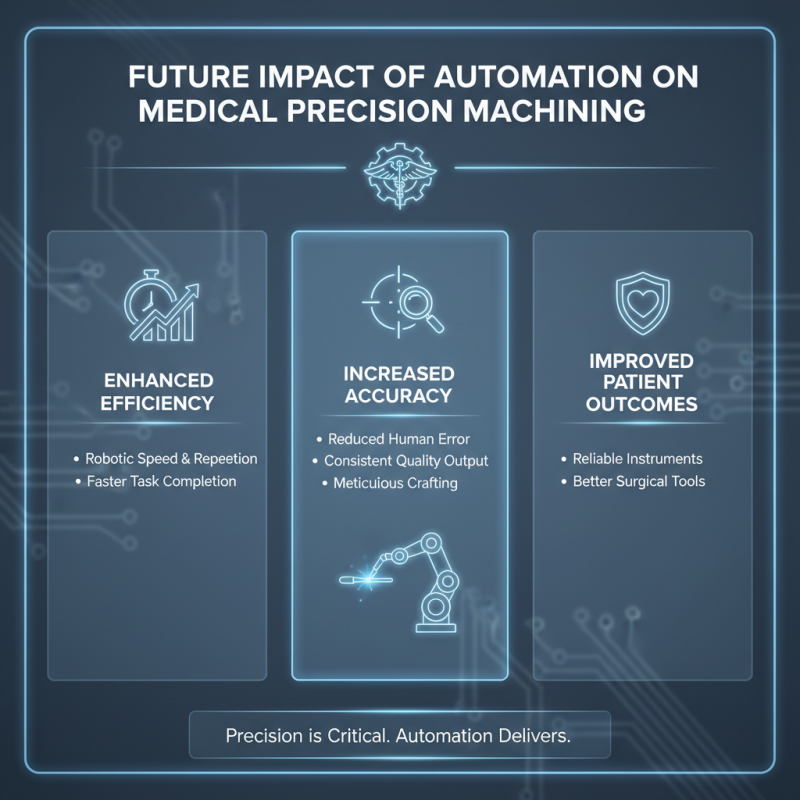
Automation is revolutionizing medical precision machining, enhancing efficiency and accuracy. In the medical industry, precision is critical. Complex surgical instruments require meticulous crafting. Automated processes can reduce human error, leading to better patient outcomes. Robots can handle repetitive tasks faster than humans. They work tirelessly, ensuring consistent quality in manufacturing.
However, embracing automation comes with challenges. Workers may fear job loss or decreased demand for manual skills. This concern is valid. As technology advances, training becomes essential. The workforce must adapt to new machinery and software. Reskilling is crucial for those in the industry. They must learn how to operate and maintain automated systems effectively.
Moreover, there’s a growing need for collaboration between humans and machines. The best results often come from integrating human oversight with automated systems. This hybrid approach can optimize production while ensuring quality control. Ongoing innovation is vital. Automotive machining methods must continually evolve to meet the healthcare sector's demands. The future of medical precision machining depends on balancing automation with human expertise.