Why Is Medical Precision Machining Essential for Healthcare?
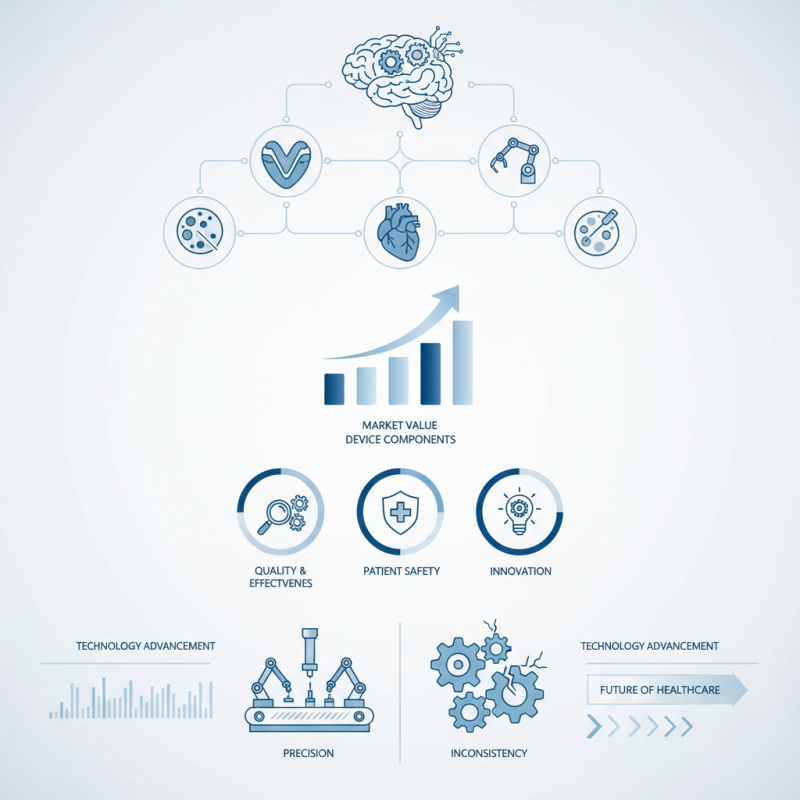
In today's evolving healthcare landscape, the role of Medical Precision Machining cannot be overstated. This technology directly impacts the quality and effectiveness of medical devices. According to a report by Smithers Pira, the global market for medical device components is projected to reach $136 billion by 2025. Precision machining is crucial for producing parts that meet stringent regulatory standards and provide optimal performance.
Dr. Emily Carter, a leading expert in medical device manufacturing, emphasizes the importance of precision in healthcare. She states, "Inconsistent machining can lead to device failures, impacting patient safety and treatment outcomes." Each component must fit perfectly, ensuring that devices function as intended. Yet, there are challenges, including material costs and production delays that can compromise quality.
While technology advances rapidly, the need for meticulous machining remains. Many manufacturers struggle to adapt to new techniques. Inconsistent practices across facilities can lead to significant variations in product quality. The commitment to precision in manufacturing is not just about efficiency; it's essential for patient safety and innovation in healthcare.
The Importance of Precision in Medical Device Manufacturing
Precision in medical device manufacturing is critical for patient safety. Small errors can have severe consequences. According to a report from MarketsandMarkets, the global medical device market is projected to reach $612 billion by 2025. This growth underscores the need for high-quality manufacturing processes.
Medical devices often require complex geometries. These components include surgical instruments, implants, and diagnostic equipment. The tolerances can be as tight as 0.01 mm in some cases. If machining isn’t precise, the devices may fail during use. A study by Grand View Research highlights that 40% of surgical errors are linked to faulty devices. This statistic raises serious concerns.
Moreover, the rise of personalized medicine means custom devices are more common. Manufacturers must adapt to individual patient needs. This customization raises challenges in consistency and precision. Ensuring that custom items meet rigorous standards is not easy. Reflecting on these challenges is essential for manufacturers. They must invest in technology and training.
Key Materials Used in Medical Precision Machining
Medical precision machining plays a crucial role in the healthcare industry. It involves manufacturing components that are vital for medical devices. The materials used in this process significantly impact the device's performance and safety.
Common materials include stainless steel, titanium, and polymers. Stainless steel is popular due to its strength and corrosion resistance. Approximately 60% of surgical instruments are made from stainless steel. Titanium is favored for implants and prosthetics. Its biocompatibility is key, as about 40% of implants utilize this material. Polymers like PEEK are also essential. They are lightweight and can endure high-stress applications.
However, the use of these materials is not without challenges. The machining process can generate heat, which may degrade some polymers. This raises concerns about device longevity. Moreover, achieving tight tolerances demands precise machinery. Yet, even the best equipment may not always guarantee perfection. Constant evaluation and improvement in the machining process are vital to ensure safety and effectiveness in medical applications.
Processes Involved in Medical Precision Machining
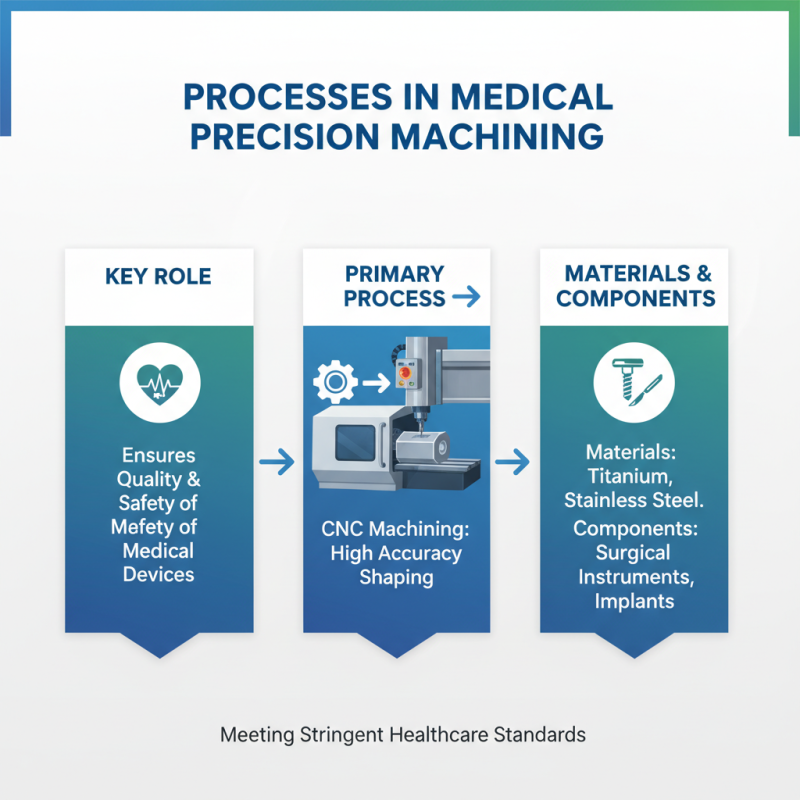
Medical precision machining plays a crucial role in healthcare. The processes involved are intricate yet essential. They ensure that medical devices meet stringent quality and safety standards. One critical process is CNC machining, which offers high accuracy. This technique shapes materials like titanium and stainless steel into precise components. Each part has a specific role in medical devices, from surgical instruments to implants.
Another important process is laser cutting. This method delivers clean cuts and minimizes material waste. Lasers can cut various materials used in medical applications, such as plastics and metals. However, it requires skilled operators to manage the technology effectively. Small miscalculations can lead to significant issues in device performance. Inspection processes, like quality control, are also vital. They catch potential errors before they reach the market.
Lastly, anodizing and coating are necessary for enhancing surface properties. These treatments improve corrosion resistance and biocompatibility. Despite the benefits, these processes can sometimes lead to inconsistencies. Variations in coating thickness may affect device performance. Thus, continuous refinement is essential in each stage of medical precision machining. Each step is an opportunity for improvement and reflection.
Real-World Applications of Precision Machined Medical Devices
Precision machining plays a critical role in the healthcare industry. Medical devices require exact specifications. A small error can lead to significant consequences. For instance, surgical instruments need high accuracy to ensure successful operations. Any deviation can harm patients rather than help them.
Tips: Always prioritize quality control in machining. Small mistakes can lead to larger issues down the line.
Many real-world applications showcase the importance of precision machining. Implantable devices, such as stents or pacemakers, rely on precise measurements. These devices must fit perfectly within the human body. A poorly manufactured device may cause complications or fail entirely. Moreover, prosthetics must match individual patient anatomy closely. This enhances comfort and functionality.
Tips: Collaborate closely with medical professionals. Their feedback can help refine designs and improve outcomes.
The world of medical precision machining is complex and evolving. Continuous advancements push the boundaries of what's possible. Yet, companies must reflect on their processes. Are they truly meeting the needs of healthcare? Regular reviews can help identify areas of improvement and foster innovation.
Importance of Precision Machining in Medical Devices
Precision machining significantly impacts the healthcare industry by producing high-quality components used in surgical instruments, implants, diagnostic equipment, and prosthetics. The chart displays the market share of various medical device categories, highlighting the essential role of precision machining in ensuring the efficacy and safety of medical solutions.
Future Trends in Medical Precision Machining and Healthcare Innovations
Medical precision machining is becoming increasingly vital in healthcare. The push for precise, personalized medical devices demands innovative machining techniques. In the future, we will likely see a rise in 3D printing and advanced CNC machining in this sector. Reports suggest that the global medical device market could reach $612 billion by 2025. This surge necessitates high precision to ensure patient safety and device reliability.
However, challenges remain. A significant gap exists between technology advancement and regulatory processes. For instance, a recent survey indicated that 30% of manufacturers face delays due to compliance issues. These delays can hinder innovation. Additionally, while automating machining can enhance efficiency, human oversight remains crucial. The interaction between machines and skilled technicians is key for maintaining quality.
Healthcare needs adaptability in machining processes. Multidisciplinary collaborations will likely drive progress. The integration of AI and IoT in machining can streamline operations. However, these technologies also raise questions about data security and patient privacy. Balancing innovation with ethical considerations will be essential as we move forward.