In the evolving landscape of healthcare technology, Medical Device Assembly stands as a critical process. High-quality assembly can significantly influence device performance and patient safety. As more firms enter this competitive field, understanding best practices is essential.
Effective Medical Device Assembly requires a blend of precision and experience. Knowledge of materials and tools enhances overall quality. Each step must undergo careful consideration. Small errors can lead to significant issues down the line. Reflection on previous mistakes fosters improvement. Many companies overlook the importance of continuous training for staff.
Moreover, adhering to rigorous standards boosts reliability. Compliance not only safeguards users but also reinforces brand trust. Manufacturers must remain vigilant about updates in regulations and technology. Fostering an environment of quality assurance is crucial. By integrating these best practices, organizations can elevate their Medical Device Assembly processes, leading to better outcomes in patient care.
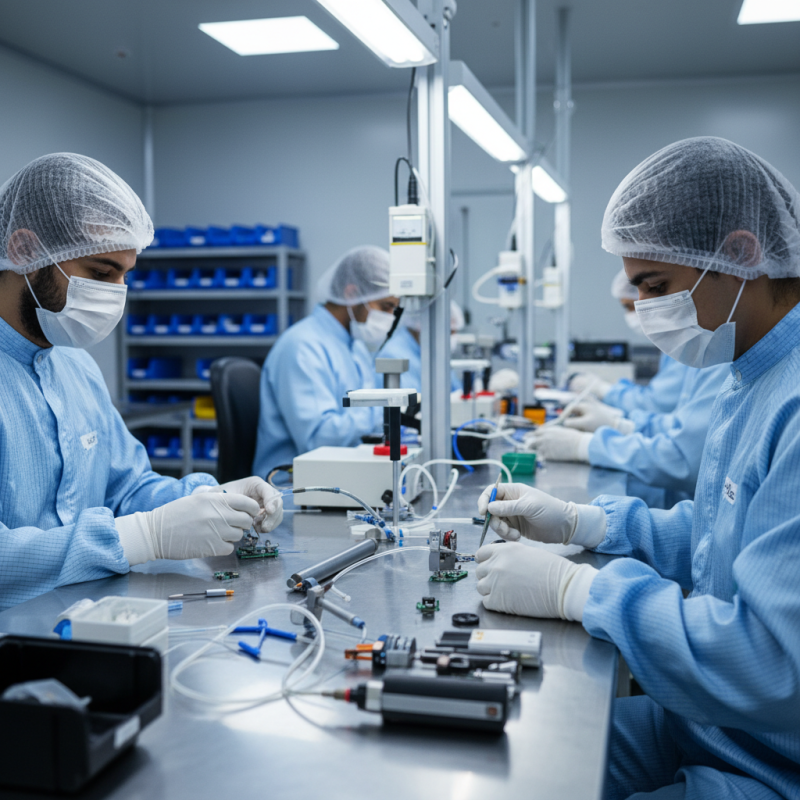
Quality control plays a critical role in medical device assembly. This process ensures that each device meets safety and performance standards. Insufficient quality control can lead to device failures. Such failures can result in significant harm to patients. Therefore, rigorous testing and inspections throughout the assembly process are essential.
Incorporating regular checks can catch potential issues early. Training assembly personnel on quality benchmarks fosters awareness and accuracy. One common oversight is neglecting documentation. Proper records can track defects and improve future assembly practices. Establishing a culture of quality within the team promotes responsibility and vigilance.
Failure to address quality control can have dire consequences. This includes costly recalls and damaged reputations. Organizations must invest in reliable procedures to uphold device integrity. Continuous improvement in quality practices is not just beneficial; it’s necessary for patient safety. The commitment to excellence should be unwavering in this field.
| Practice | Description | Importance | Compliance Standards |
|---|---|---|---|
| Employee Training | Regular training for assembly staff on latest techniques and tools. | Ensures high skill level and reduces errors. | ISO 13485 |
| Material Selection | Choosing the right materials based on device requirements. | Improves device reliability and safety. | FDA Regulations |
| Process Validation | Conducting tests to confirm assembly processes meet requirements. | Ensures consistent quality of products. | ISO 9001 |
| Documentation | Maintaining accurate records of assembly processes. | Facilitates traceability and compliance audits. | FDA QSR |
| Quality Control Checks | Regular inspections during the assembly process. | Identifies defects early and reduces waste. | ISO 9001 |
| Risk Management | Identifying and mitigating risks in the assembly process. | Enhances safety and efficacy of medical devices. | ISO 14971 |
| Supplier Quality Assurance | Evaluating and monitoring supplier materials. | Ensures high-quality inputs for assembly. | ISO 9001 |
| Post-Market Surveillance | Monitoring device performance after market release. | Identifies long-term safety issues. | FDA Regulations |
| Continuous Improvement | Regularly optimizing processes for better performance. | Supports innovation and efficiency. | ISO 9001 |

Implementing Standard Operating Procedures (SOPs) is crucial for efficient medical device assembly. SOPs provide clear guidelines and help maintain consistency in processes. When teams follow these procedures, the risk of errors decreases significantly. This leads to better product quality and enhanced safety for end-users.
Tips: Ensure all team members are trained on SOPs. Regular refresher courses can help maintain high standards. Encourage staff to provide feedback on SOPs, as they are often the ones experiencing the processes firsthand. Continual updates and adjustments based on real-world applications can improve efficiency.
Another important aspect is documentation. Effective documentation supports traceability and accountability. It should be straightforward and accessible for all team members. Incomplete or unclear documentation can lead to confusion and mistakes. Always review documents regularly to ensure they meet current assembly practices. Promoting a culture of accuracy can drive overall success.
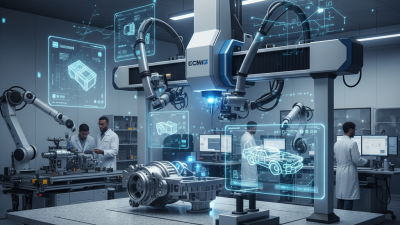
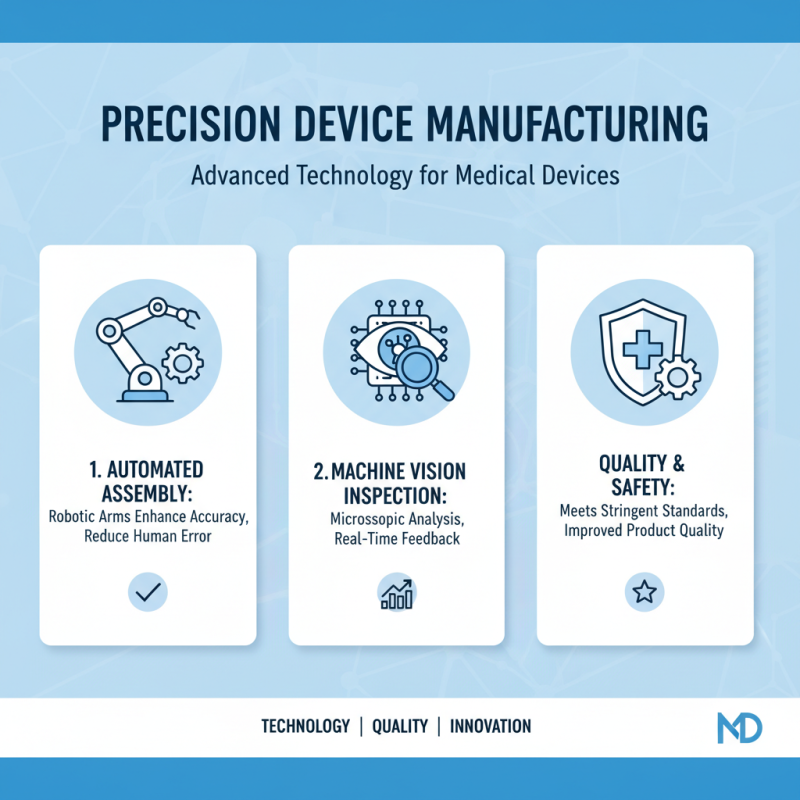
In the world of medical device assembly, precision is non-negotiable. Advanced technology plays a critical role in achieving this goal. Automated systems, such as robotic arms, enhance accuracy in assembly processes. These systems can reduce human error, ensuring that each device meets stringent safety standards. By utilizing machine vision, manufacturers can inspect components at a microscopic level. This offers real-time feedback, improving the overall quality of the final product.
However, the integration of advanced technology is not without challenges. Training personnel to operate complex machinery can be time-consuming and expensive. Moreover, the initial investment in such technology may deter smaller companies. There is also the risk of over-reliance on automation. A balance between technology and human oversight is essential. While machines can streamline processes, human expertise remains vital for troubleshooting and innovative problem-solving.
Innovative tools like 3D printing are also making inroads. They allow rapid prototyping, reducing lead times significantly. Still, manufacturers must ensure that the materials used meet regulatory standards. This brings forth the importance of continuous learning and adaptation in this rapidly evolving field. Embracing these advancements requires a commitment to both innovation and quality assurance.
In the rapidly evolving field of medical device assembly, training and development of a skilled workforce are crucial. Skilled professionals are the backbone of production quality and innovation. Investing in comprehensive training programs helps ensure workers are proficient in advanced assembly techniques. This includes hands-on training, workshops, and continuous education.
However, not all training programs yield the desired results. Often, outdated methods and lack of engagement can hinder learning. It's important to evaluate training effectiveness regularly. Feedback from participants can highlight areas needing improvement. Implementing new technologies, like virtual reality simulations, can enhance training experiences.
Moreover, fostering a culture of continuous development is essential. Encouraging employees to share knowledge contributes to team growth. This practice also helps identify skills gaps. Reflecting on workforce competencies can lead to strategic adjustments in training. Ultimately, building a skilled workforce is an ongoing journey that requires dedication.
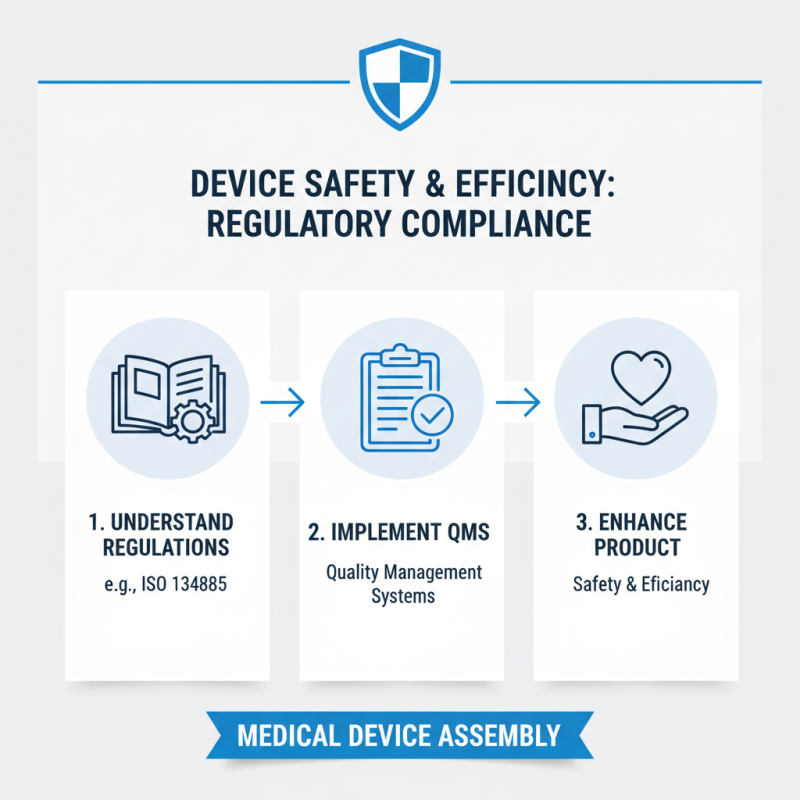
Ensuring compliance with regulatory standards is crucial in medical device assembly. Manufacturers must understand various regulations, such as ISO 13485. This standard outlines quality management systems specifically for medical devices. Adhering to these regulations can enhance product safety and efficacy.
Training staff is essential. Experts need to ensure all employees understand compliance protocols. It is not enough to have procedures in place; every member of the team must follow them. Regular audits can help identify areas for improvement. Reflection on past practices can lead to better outcomes.
Documentation plays a pivotal role in compliance. Keeping records of materials, processes, and inspections ensures transparency. It simplifies the verification process during audits. However, document management can be overwhelming. Many organizations struggle to maintain accurate, up-to-date records. Recognizing these shortcomings can drive improvements and foster a culture of accountability. Such a culture ultimately contributes to the overall safety of medical devices.