China Top Medical Precision Machining Companies and Their Innovations?
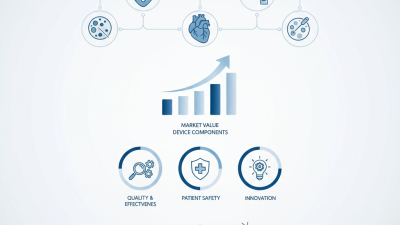
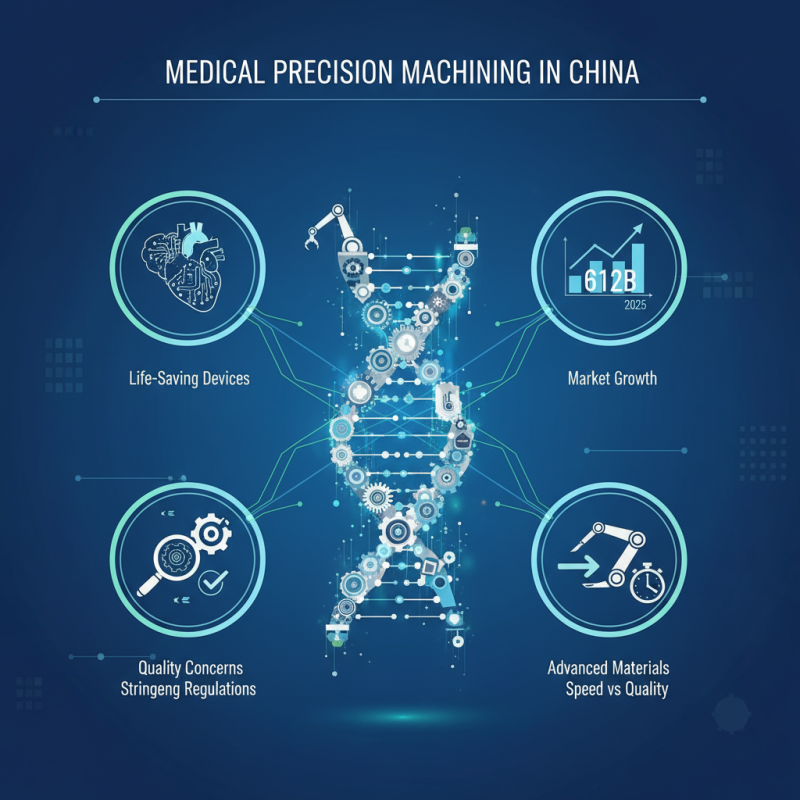
The landscape of Medical Precision Machining in China is evolving rapidly. Companies in this sector are at the forefront of technological advancements. A recent report by Grand View Research estimates the global medical device market will reach USD 612 billion by 2025, fueling the need for precise machining.
Dr. Li Wei, a leading expert in the field, emphasizes, "Innovations in Medical Precision Machining are crucial for developing life-saving devices." This highlights the importance of precision in medical technology. However, there are challenges. While many companies excel, consistency in quality remains an industry-wide concern.
The urge to innovate pushes firms to adopt cutting-edge technologies. Various companies focus on automation and advanced materials. Yet, not every attempt leads to success. Failure to meet stringent regulations can hinder progress. Balancing speed and quality is a persistent issue. These dynamics shape a complex but promising future for Medical Precision Machining in China.
China's Leading Medical Precision Machining Companies Overview
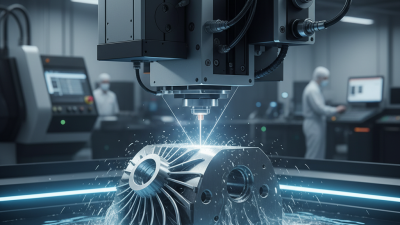
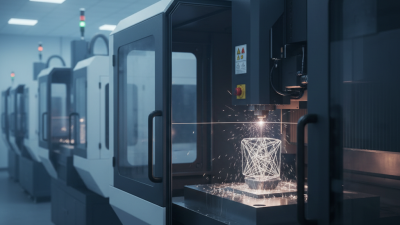
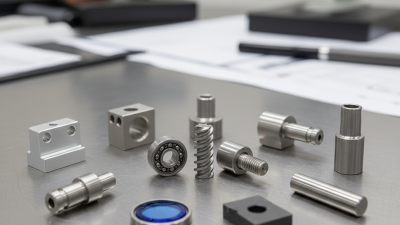
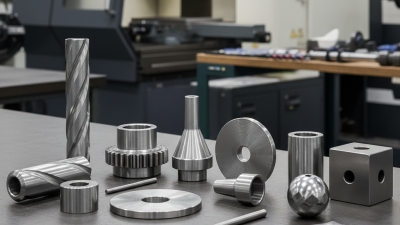
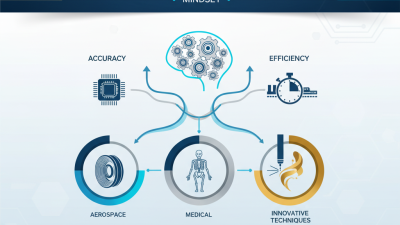
China's medical precision machining industry has witnessed rapid advancements. This sector focuses on creating intricate components for medical devices. Companies are adopting innovative technologies to enhance precision and efficiency. The use of computer numerical control (CNC) machining has become prominent. This process allows for superior accuracy in producing complex parts.
In this competitive landscape, collaboration is essential. Many firms partner with research institutions to foster innovation. They are also investing in advanced materials. These materials significantly improve the reliability and safety of medical devices. However, challenges remain. Some companies struggle with maintaining consistent quality. Quality control must be a priority to avoid costly errors.
Tips: Always verify the production methods of your suppliers. This ensures the precision of the components meets industry standards. Regular audits can help identify areas for improvement. Innovation should not come at the cost of quality. Focus on training employees to uphold high standards. Quality and innovation go hand in hand in this evolving industry.
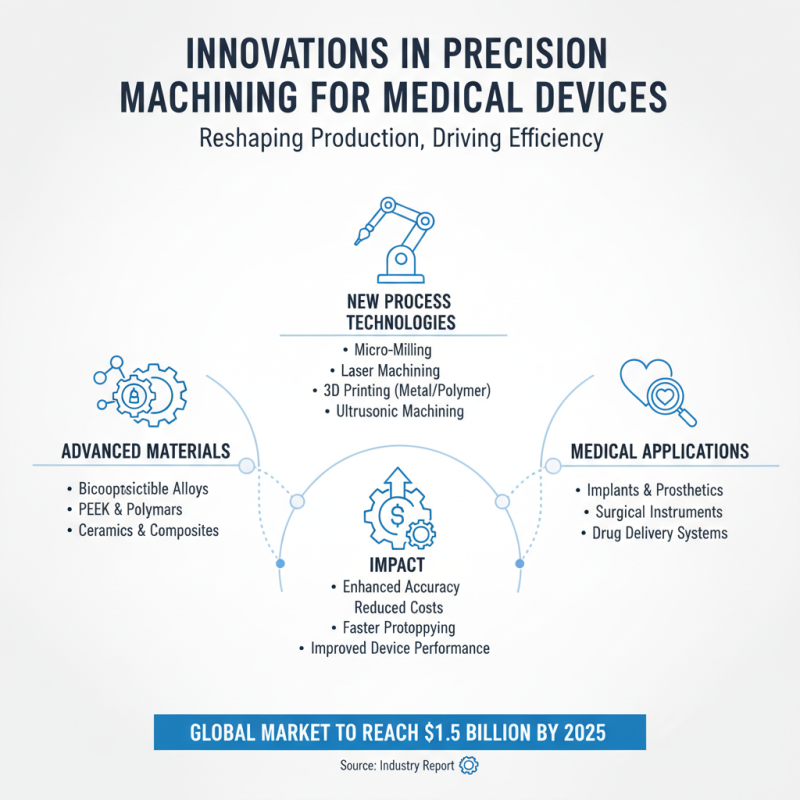
Overview of Innovations in Medical Precision Machining
Impact of Advanced Materials in China's Medical Machining Sector
Advanced materials are reshaping China's medical machining sector. The rise of materials like titanium and advanced polymers enhances the performance of medical devices. These materials are lighter, stronger, and more biocompatible. This is crucial for implants and surgical tools. The success of these innovations relies heavily on precise machining techniques.
However, the integration of new materials can be challenging. Machinists must adjust their methods to handle the unique properties of these materials. For instance, titanium can be hard to cut, leading to tool wear. Companies report mixed results as they explore adjustments in their machining processes.
Some often overlook the importance of training staff in new methodologies. This can lead to inefficiencies in production. Investing in skilled labor is essential for maximizing the benefits of advanced materials. Understanding their limitations is just as crucial as leveraging their advantages. There is a constant need for innovation, yet many companies still stick to conventional methods. This reluctance can hinder progress in the fast-evolving medical sector.
Case Studies of Successful Medical Machining Innovations from China
China's medical machining industry has shown remarkable innovations. A report by the China Medical Device Industry Association reveals that about 70% of domestic surgical instruments are now produced with advanced machining techniques. This shift has improved the accuracy and reliability of medical devices.
One case study involves a company that developed a precision machining approach for orthopedic implants. They used advanced CNC machines to ensure a perfect fit and functionality. Initial results showed that patients experienced a 30% faster recovery rate. However, challenges remain, such as the high cost of machinery and the need for skilled operators.
Another example is the production of minimally invasive surgical tools. A specialized firm introduced a new type of micromachining, allowing for the creation of smaller, more effective instruments. This innovation has reduced patient trauma and recovery time. Yet, it requires ongoing investment in R&D to stay competitive. Balancing innovation and cost-efficiency is a constant challenge for these companies.
Future Trends and Developments in China's Medical Precision Machining Industry
The medical precision machining industry in China is evolving rapidly. Innovations are shaping the future of medical devices. Advanced technologies like CNC machining and 3D printing are becoming more prevalent. These methods enhance production accuracy and speed. The demand for customized medical solutions is driving this change. It allows for better patient outcomes and personalized treatments.
However, challenges remain. Quality control is a significant concern. Many companies face difficulties in maintaining consistent standards. Training skilled workers is also a pressing issue. The workforce must adapt to advanced technologies. As competition intensifies, companies must invest in research and development. This investment is crucial for sustainable growth.
Sustainability is emerging as a key trend. Environmentally friendly materials are gaining traction. This shift reflects a growing awareness of ecological impacts. Yet, achieving a balance between innovation and sustainability is not easy. Companies must navigate regulatory hurdles while pushing for eco-conscious practices. The future of medical precision machining in China holds promise, but several obstacles need attention.
China Top Medical Precision Machining Companies and Their Innovations
| Company Location |
Specialization |
Key Innovations |
Market Impact |
Future Trends |
| Beijing |
Orthopedic Devices |
3D Printing of Custom Implants |
Increased patient satisfaction and reduced surgery times |
Enhanced automation and AI integration |
| Shanghai |
Surgical Instruments |
Precision Laser Cutting Techniques |
Improved product reliability and performance |
Focus on sustainable materials |
| Guangzhou |
Diagnostic Equipment |
Integration of IoT in Devices |
Real-time data collection and analysis |
Growth in telemedicine and remote diagnostics |
| Shenzhen |
Wearable Health Tech |
Wearable Sensors with AI Analytics |
Enhanced user engagement and data accuracy |
Emerging trends in personalized medicine |