Top 10 High Precision Fixtures You Need for Accurate Manufacturing?
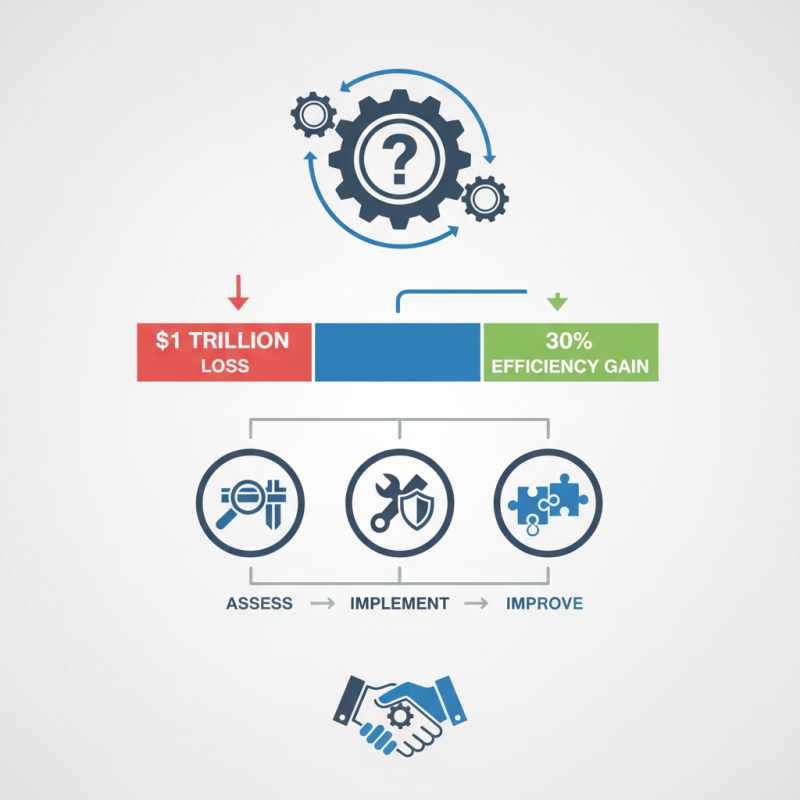
In the world of manufacturing, precision is paramount. High-Precision Fixtures play a crucial role in achieving that accuracy. According to a recent report by the National Institute of Standards and Technology (NIST), the manufacturing sector loses nearly $1 trillion annually due to inaccuracies. This staggering figure highlights the importance of using precise tools and fixtures.
High-Precision Fixtures are designed to hold workpieces securely while maintaining strict tolerances. They enhance productivity by reducing errors during machining processes. Research from the International Journal of Advanced Manufacturing Technology indicates that companies utilizing high-precision fixtures can improve production efficiency by up to 30%. This significant boost can transform operational outcomes.
However, not all high-precision fixtures are created equal. Some may offer less durability or stability than needed. It is vital for manufacturers to test and assess fixtures before use. Choosing the right high-precision fixtures can be a game-changer, yet it remains a challenge for many. Reflecting on these aspects can drive continuous improvement and lead to better manufacturing practices.
Essential Features of High Precision Fixtures for Manufacturing
High precision fixtures are essential in manufacturing. They ensure that parts are held securely during processes like machining and assembly. Accurate positioning minimizes errors. These fixtures enhance quality control and reduce waste.
Key features include rigidity and stability. Fixtures must withstand high forces without flexing. A solid foundation prevents misalignment. Quick adjustments are also vital for changing tasks. This flexibility allows manufacturers to adapt quickly.
Designing fixtures involves understanding the specific needs of each project. Not all fixtures suit every application. Some may require complex geometries for intricate components. The balance between custom and standard solutions is crucial. Reflection on past designs can lead to improved efficiency and effectiveness.
Types of High Precision Fixtures Used in Various Industries
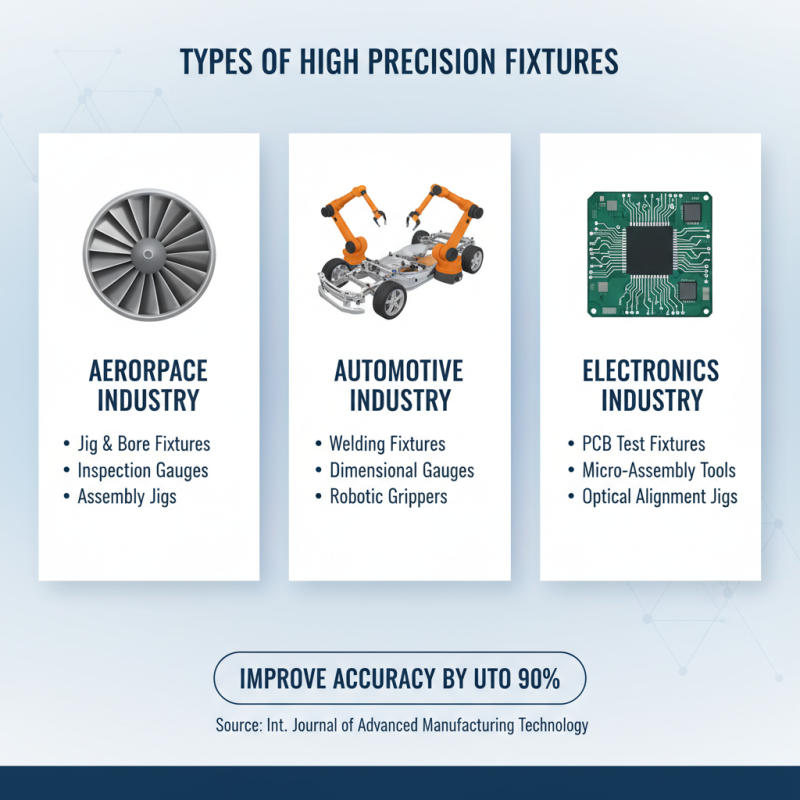
High precision fixtures are crucial in numerous manufacturing processes. Industries such as aerospace, automotive, and electronics rely heavily on these tools. According to a recent report by the International Journal of Advanced Manufacturing Technology, fixtures can improve measurement accuracy by up to 90%. This enhancement is vital for components that require tight tolerances.
In the automotive sector, for example, precision fixtures are used extensively in assembly lines. They ensure that parts align perfectly during assembly. The demand for these fixtures skyrocketed in recent years. A study from the Society of Manufacturing Engineers highlighted that 70% of manufacturers had increased their investment in precision tooling. Such tools reduce production time while enhancing quality.
However, not every fixture performs well under varying conditions. It's essential to assess their durability and adaptability. Some fixtures may fail to maintain accuracy due to wear over time. The variability in material types also presents a challenge. Industries must weigh these factors carefully. The right fixture can significantly streamline production, but the wrong choice can lead to costly rework.
Benefits of Utilizing High Precision Fixtures in Manufacturing Processes
High precision fixtures are essential in modern manufacturing. They ensure accuracy in processes like machining, assembly, and inspection. Using these fixtures minimizes errors and improves product quality. Accurate fixtures help maintain tight tolerances, which is critical in industries like aerospace and automotive. With consistent precision, manufacturers can reduce rework and scrap rates, ultimately saving costs.
Employing high precision fixtures also enhances workflow efficiency. Workers can set up machines faster, leading to shorter cycle times. However, not all fixtures may address specific production needs. Regular evaluations are necessary to ensure the tools are still effective. Some fixtures may require modifications over time to adapt to new designs or processes, leading to downtime.
Moreover, the implementation of high precision fixtures can increase the skills required in the workforce. Technicians need training to understand setup protocols and maintenance. This can lead to a learning curve that may initially slow production. Nevertheless, the long-term benefits typically outweigh these challenges. Focusing on precision not only ensures quality but can also build a reputation for reliability in the marketplace.
Key Considerations When Selecting High Precision Fixtures
When choosing high precision fixtures for manufacturing, several factors are crucial. First, assess the material used in the fixture. Materials should withstand wear and provide stability during the machining process. Steel is often favored for its durability. However, lighter materials like aluminum can be beneficial for specific applications.
Next, consider the design of the fixture. A well-designed fixture promotes efficiency. It should securely hold workpieces in place, reducing the chance of errors during operations. Look for customizable features that cater to specific manufacturing needs. This adaptability can enhance productivity.
Moreover, think about the fixture's alignment and adjustments. Fixtures must allow easy alignment for different parts. Quick adjustments save time and can improve overall workflow. User-friendly designs lead to less frustration and better results. Keep in mind that small errors can accumulate. Regular assessments of fixtures will ensure they maintain precision over time.
Top 10 High Precision Fixtures You Need for Accurate Manufacturing
| Fixture Type |
Accuracy (µm) |
Material |
Weight (kg) |
Price (USD) |
| V-Block Fixture |
5 |
Aluminum |
1.2 |
150 |
| Modular Clamping Fixture |
3 |
Steel |
2.5 |
250 |
| Pallet Fixture |
7 |
Aluminum |
3.0 |
300 |
| Assembly Fixture |
4 |
Plastic |
1.0 |
120 |
| CNC Machining Fixture |
2 |
Steel |
5.0 |
500 |
| Welding Fixture |
6 |
Steel |
4.2 |
400 |
| Inspection Fixture |
1 |
Aluminum |
2.0 |
200 |
| Indexing Fixture |
8 |
Steel |
6.5 |
550 |
| Electro-Pneumatic Fixture |
2 |
Aluminum |
3.8 |
600 |
| Rotary Fixture |
4 |
Steel |
5.5 |
450 |
Top Brands and Models of High Precision Fixtures in the Market
High precision fixtures are crucial for accurate manufacturing processes. Many brands offer various models tailored to specific needs. Look for fixtures made from durable materials to ensure longevity. Consider types that support different applications, such as machining, welding, or assembly.
Some fixtures come with advanced features like adjustable components. These can enhance accuracy but may also require more setup time. This flexibility allows for customization, addressing unique project demands. However, it is essential to balance complexity with usability.
Focus on user-friendly design. Ease of use can significantly impact efficiency. Inspecting and maintaining these fixtures is vital for consistent performance. Keep in mind that not every high-precision fixture will suit your needs perfectly. Evaluate different options to identify the best fit for your manufacturing process.