2026 Best Wire Edm Machining Techniques and Applications Guide?
Wire Edm Machining has revolutionized various manufacturing processes, providing precision and efficiency. According to a recent industry report from Global Market Insights, the Wire EDM market is projected to grow at a CAGR of 5.2% through 2026. This growth reflects its increasing application across industries such as aerospace, automotive, and medical manufacturing.
Wire Edm Machining stands out for its ability to create intricate designs with minimal waste. This capability becomes critical in high-stakes sectors that demand accuracy. For example, aerospace components often require tight tolerances that traditional machining methods cannot achieve. However, challenges remain. Many manufacturers struggle with the high operational costs associated with Wire EDM setup and maintenance.
As we delve into the best practices and techniques in Wire Edm Machining, it is crucial to address these obstacles. Continuous advancements are necessary to improve efficiency and reduce costs. Industry experts agree that innovation will drive the future of Wire EDM. Embracing these changes will enhance its applicability and efficiency in diverse fields.
Overview of Wire EDM Machining Technology
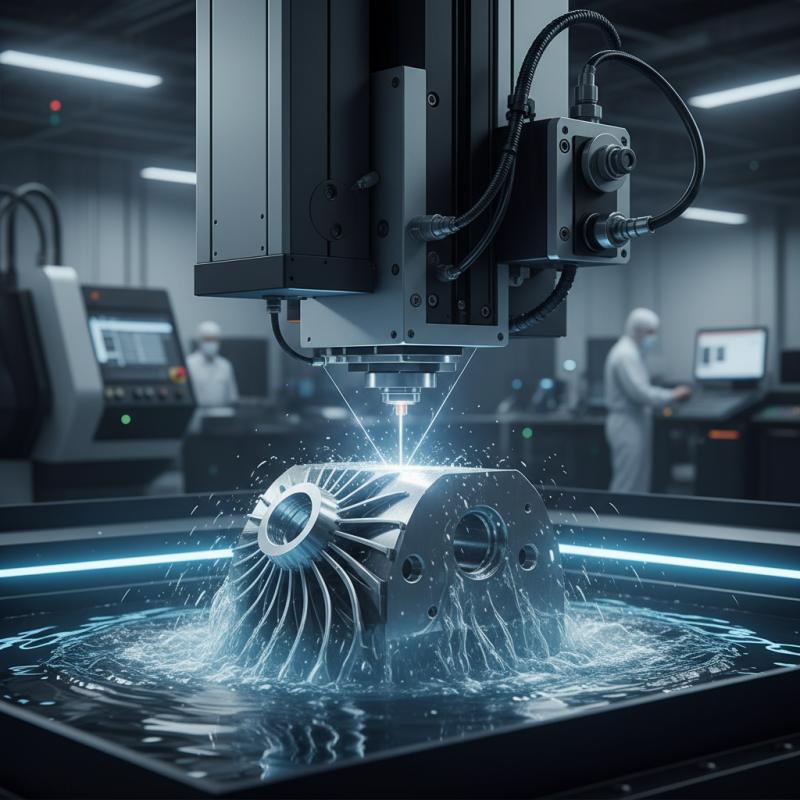
Wire EDM (Electrical Discharge Machining) revolutionizes precision machining. This technology uses electrical discharges to cut intricate shapes into various materials. It's known for its ability to create complex geometries that traditional methods can't achieve. The precision it offers is unparalleled, which makes it highly sought after in aerospace, automotive, and medical industries.
One remarkable feature of wire EDM is its versatility. It works well with hard materials like titanium and tool steels. The process can cut thin sections with minimal heat-affected zones. However, it can be slow, especially for thick materials. Sometimes, the machining speed may not meet production demands. This can be frustrating for manufacturers looking for efficiency.
Another point to consider is the required setup time. While the machine itself is highly accurate, setting up the workpiece can take time. Operators must be skilled and pay close attention to detail. Any mistake in setup can lead to wasted materials and increased costs. Though wire EDM is efficient, those nuances must be acknowledged. The technology has advanced greatly, yet there's always room for improvement and reflection.
Key Techniques in Wire EDM for Precision Engineering
Wire EDM (Electrical Discharge Machining) is a crucial technique in precision engineering. It offers exceptional accuracy for complex geometries. Recent industry reports show that Wire EDM can achieve tolerances as tight as ±0.0001 inches. This precision is vital in sectors like aerospace and medical device manufacturing, where failure is not an option.
One key technique in Wire EDM is the use of different wire materials. For instance, brass wire is commonly used for its excellent conductivity and cutting speed. However, it can wear down quickly, requiring constant monitoring and adjustment. A study revealed that using copper-coated wire can enhance durability and reduce wear. Yet, this alternative isn't always suitable for every project. Each choice presents trade-offs that engineers must carefully evaluate.
Additionally, the development of CNC (Computer Numerical Control) programming has revolutionized Wire EDM. It allows for complicated shapes to be cut with minimal human intervention. But this technology isn't infallible. Misalignments during setup remain a risk. Analyzing workflows and process parameters is essential for optimizing results. Precision is key, yet imperfections often highlight areas for improvement. The journey of mastering Wire EDM is ongoing, filled with challenges and opportunities for innovation.
Applications of Wire EDM in Various Industries
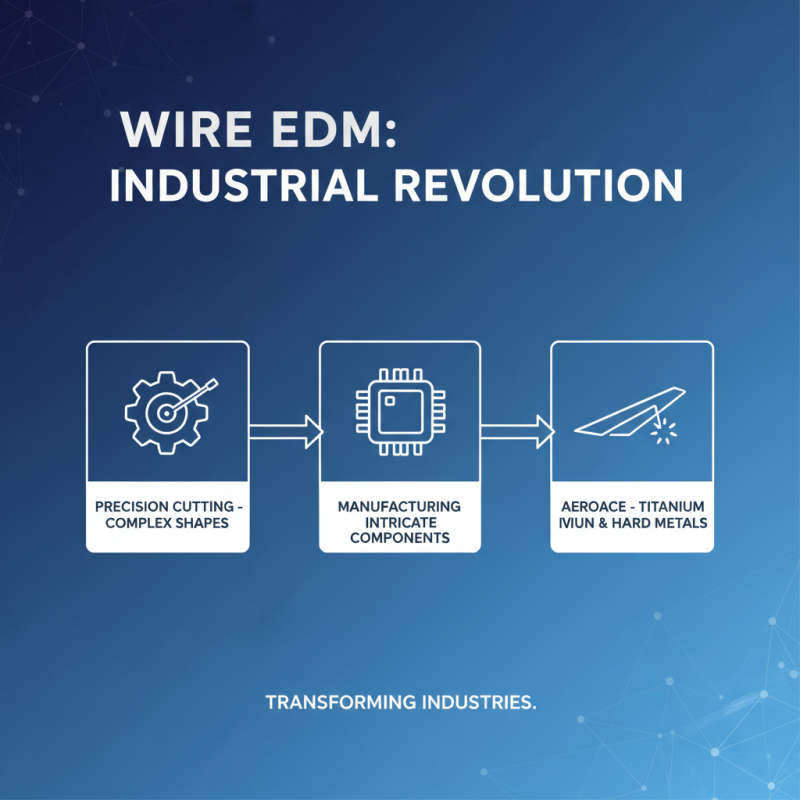
Wire EDM, or Wire Electrical Discharge Machining, is transforming various industries. This technique excels in precision cutting for complex shapes. Many manufacturers rely on Wire EDM for creating intricate components. It is particularly useful in the aerospace sector, where lightweight and durable parts are crucial. The ability to cut hard materials, such as titanium, makes Wire EDM indispensable for aircraft design.
In the automotive industry, Wire EDM plays a vital role in mold manufacturing. This process ensures precise specifications for parts fabrication. Tool and die makers also benefit from Wire EDM. It allows them to produce complex dies with tight tolerances. However, some may underestimate its effectiveness in smaller-scale projects. Occasionally, operators face challenges in optimizing cutting speeds while maintaining quality.
Medical devices also demand high precision. Wire EDM ensures reliability in producing surgical instruments and implants. Nevertheless, there can be issues with surface finishes, which may require additional polishing. Balancing speed and quality remains an ongoing concern. Users should reflect on these factors to improve efficiency. Wire EDM's versatility is evident, yet its challenges invite thoughtful consideration.
Comparative Analysis of Wire EDM vs. Traditional Machining
Wire EDM (Electrical Discharge Machining) offers several benefits compared to traditional machining methods. A key advantage is precision. Reports indicate that wire EDM can achieve tolerances as tight as ± 0.002 mm. This accuracy often outperforms milling or drilling techniques. High-speed operations make wire EDM suitable for complex shapes. It excels in intricate geometries that traditional machining might struggle with.
However, wire EDM has its drawbacks. The process can be slower, especially for thicker materials. It typically consumes more energy and may create limitations in material types. Traditional machining shines with larger workpieces, where setup times favor direct milling over wire EDM. Still, a study revealed that 40% of manufacturers have shifted towards wire EDM due to its efficiency in reducing post-machining work.
Industry reports also highlight the growing adoption of wire EDM in sectors like aerospace and medical devices. The market is projected to grow at a CAGR of 7% over the next five years. Despite its advantages, companies must carefully evaluate their specific needs when choosing between these methods. Balancing costs and capabilities is crucial.
Future Trends in Wire EDM Technology and Innovation
The wire EDM (Electrical Discharge Machining) industry is witnessing transformative trends. As of 2023, the global market for wire EDM technology is projected to grow at a CAGR of 6.8%. This growth is fueled by advancements in automation and precision. A significant innovation includes the use of AI systems in EDM machines, which enhance operational efficiency. These systems predict maintenance needs and reduce downtime, thus boosting productivity.
Additionally, new wire materials are emerging. Superalloy wires and coated wires can improve surface finish and extend tool life. According to recent industry reports, using these advanced materials can increase machining productivity by up to 15%. However, not all companies adopt these changes. Some still rely on traditional methods that may limit their competitive edge.
Robotics integration also plays a substantial role in the future of wire EDM. Automated systems can load and unload parts and operate machinery with minimal human intervention. This integration can reduce labor costs and increase consistency. Yet, challenges remain. The initial investment for such technologies can be prohibitive for smaller manufacturers. Transitioning to automation demands a reevaluation of production processes and workforce skills.