Top 10 Grinding Precision Parts You Need for Your Manufacturing Process?
In the world of manufacturing, precision is crucial. Grinding precision parts play a vital role in ensuring quality and efficiency. These parts are essential for various applications, from automotive to aerospace. Choosing the right grinding precision parts can greatly affect your production process.
Each grinding precision part has its unique characteristics. Some are designed for high-speed operations, while others focus on durability. Understanding these differences is key to optimizing performance. However, not all parts are created equal. Some may not meet your specific requirements. This can lead to setbacks and increased costs.
Selecting the right components requires careful consideration. Manufacturers often face challenges in balancing cost and quality. Investing in top-quality grinding precision parts can enhance productivity. Yet, it is important to assess all options available. Reflecting on your specific needs will guide you in making the right choice.
Top 10 Precision Grinding Parts in Manufacturing Processes
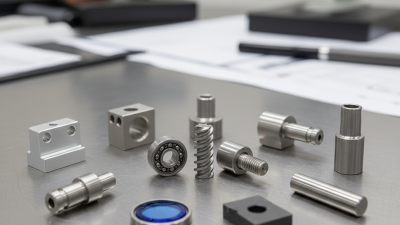
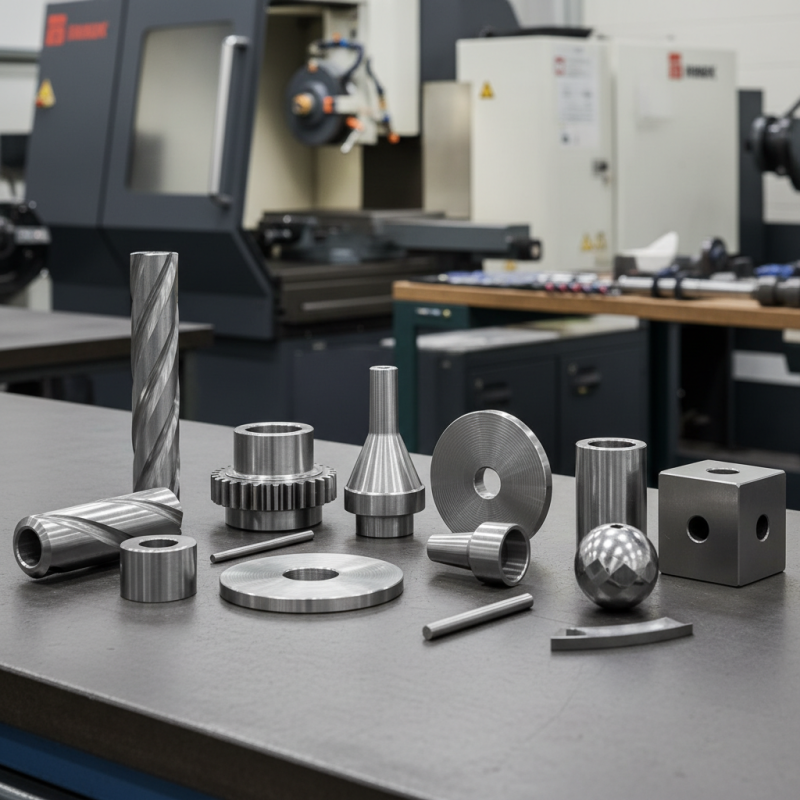
Precision grinding plays a crucial role in the manufacturing industry. Numerous parts benefit from this process. For instance, shafts are common components that require exact dimensions. They connect moving machinery parts and often experience wear. Miscalculated tolerances can lead to failures. This area needs constant monitoring.
Another important part is gears. They must fit perfectly within machinery. Any flaws can disrupt the entire operation. Balancing accuracy with production speed can be challenging. Machine operators must pay close attention to detail. Adjusting grinding parameters is essential for achieving the desired precision.
Flat surfaces are also vital in manufacturing. They serve as foundational elements for various assemblies. Surface flatness impacts the overall performance of parts. However, achieving perfect flatness is not always easy. It often requires repeated trials and adjustments. Reflecting on past grinding processes can help improve future results. Precision grinding is as much an art as a science. Mistakes can act as valuable learning opportunities.
Top 10 Precision Grinding Parts in Manufacturing Processes
This chart illustrates the usage frequency of various precision grinding parts in manufacturing processes. The data reflects the importance and demand for each part type in efficient manufacturing.
Understanding the Importance of Precision Ground Components
Precision ground components play a critical role in modern manufacturing. These parts ensure high accuracy and tight tolerances. Manufacturers can enhance product quality through the use of precision-ground pieces. This is especially true in industries such as aerospace and automotive. An error in measurement can lead to costly failures. Precision parts help mitigate these risks.
The importance of these components often goes unnoticed. Many may overlook how small parts impact the whole system. Ground parts might seem trivial, but they are the backbone of functionality. They often require extra care and attention during production. Any inconsistency can affect assembly and performance. This realization pushes manufacturers to adopt strict quality controls. Regular inspections should not be an afterthought but a necessity.
Getting it right is never easy. There’s constant pressure to deliver perfect parts. Yet, human error is an unfortunate reality in manufacturing. Relying solely on machines isn’t a foolproof solution. Regular training and update of procedures are vital. Every mistake offers a learning opportunity for improvement. Understanding the importance of precision is foundational, but true mastery takes time and reflection.
Key Specifications for Grinding Precision Parts in Industry
In precision manufacturing, grinding parts are essential. These components require specific specifications to meet industry standards. Tolerances often range from ±0.001 inches to ±0.0001 inches, depending on the application. A recent industry report notes that 75% of companies miss these tolerances. This can lead to costly reworks.
Material selection plays a critical role. Common materials include stainless steel and titanium. The hardness of these materials affects grinding efficiency. Studies show that improper hardness can reduce tool life by 30%. Operators must assess tool wear regularly to ensure product quality.
Tips: Always monitor grinding wheels for wear. This can prevent defects in the final products. Consider using coolant to reduce friction. This practice can extend the lifespan of both tools and parts. Pay attention to the setup – misalignment can lead to errors, costing time and money.
Impact of Material Selection on Grinding Precision and Performance
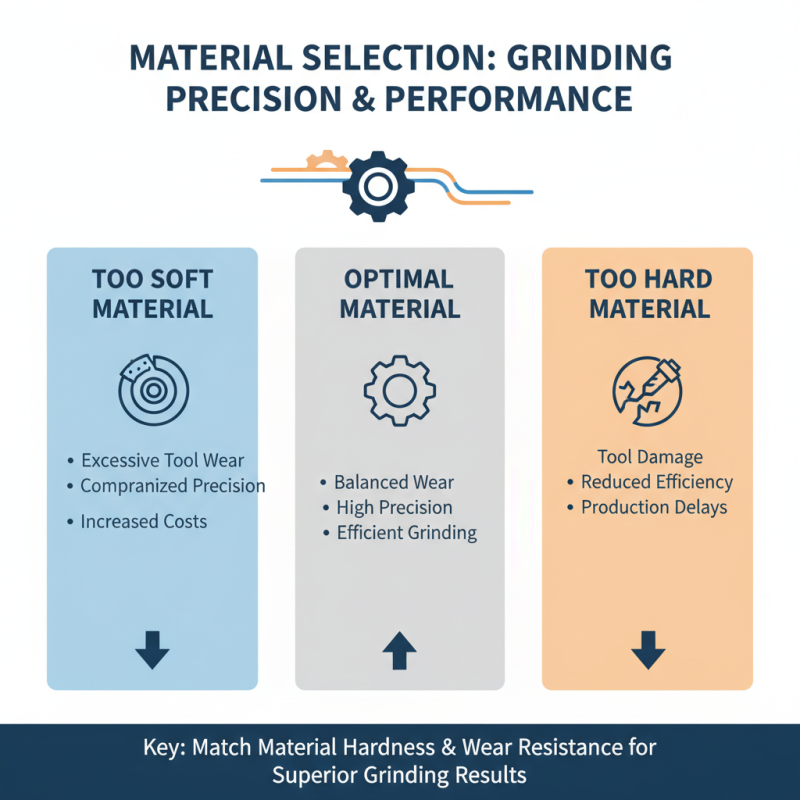
The choice of materials significantly influences grinding precision and performance in manufacturing. Different materials exhibit various hardness and wear resistance characteristics. For example, choosing a material that is too soft may lead to excessive wear on grinding tools. This can compromise precision and elevate costs over time. On the other hand, materials that are overly hard can cause tool damage and reduce grinding efficiency.
Considerations like thermal stability also play a role. Some materials expand or contract with temperature changes. This can lead to dimensional inaccuracies. Additionally, the particle size and shape of the materials being ground matter. Irregular shapes can cause uneven wear on grinding discs. Maintaining a consistent particle design is essential for maintaining quality and reducing the need for frequent tool replacements.
Moreover, the wrong material may result in unexpected challenges. Sometimes, even with the best intentions, a material might not perform as expected under certain conditions. This unpredictability adds complexity to the grinding process. Manufacturers need to continuously evaluate their material choices to improve outcomes. Balancing cost-effectiveness with performance is essential but not easy. Regular assessments can help refine material selection and optimize precision over time.