2026 How to Choose Medical Precision Machining Solutions for Your Needs?
In the rapidly evolving field of healthcare, the demand for precision is paramount. Medical precision machining plays a crucial role in producing high-quality medical devices. As Dr. Emily Carter, a renowned expert in medical technology, states, "The accuracy of machined parts is vital for patient safety and device efficacy." This expertise underscores the importance of selecting the right machining solutions tailored to specific medical needs.
Choosing the right medical precision machining provider involves multiple considerations. Quality control, material selection, and advanced manufacturing techniques are essential factors. Every detail, from tolerances to surface finishes, contributes to overall performance. With evolving regulatory standards and heightened competition, the need for reliability has never been greater. Overlooking these aspects could lead to subpar devices that compromise patient care.
As companies strive for excellence, they must reflect on their choices. Are they prioritizing precision and innovation? The right machining solution should not only meet current demands but also anticipate future challenges in the healthcare landscape. The journey towards optimal medical device manufacturing is complex, yet it is a path worth exploring for the sake of improved patient outcomes.
Understanding the Importance of Precision Machining in Medical Applications
Precision machining plays a vital role in the medical field. It ensures that components meet the specific requirements for safety and functionality. This involves creating small parts such as surgical instruments, implants, and diagnostic devices. High accuracy is essential, as even minor deviations can lead to device failures or complications.
The complexity of medical applications demands specialized machining processes. With advancements in technology, manufacturers can achieve tighter tolerances and better surface finishes. However, choosing the right solution requires careful consideration. Factors such as materials, machining techniques, and compliance with medical standards are critical. Evaluating a manufacturer's expertise and track record in medical machining is crucial.
It is important to acknowledge that not all precision machining will meet every need. Some solutions may fall short in specific applications. A thorough assessment is necessary to avoid costly mistakes. Collaborating with experienced engineers and understanding the unique requirements of your project can lead to successful outcomes. This process often reveals gaps in knowledge and areas for improvement, reminding us that precision is not just a goal; it is a continuous journey.
Key Factors to Consider When Selecting Machining Solutions
When selecting precision machining solutions for medical applications, several factors come into play.
Quality control is crucial. The machining process must ensure tight tolerances and superior surface finishes.
A reliable manufacturer will implement rigorous testing and inspection methods. Certifications like ISO 13485 can indicate compliance with medical device standards.
Material selection is another key factor. Medical devices often require biocompatible materials. These materials should withstand sterilization and provide durability.
Knowledge of material properties will help prevent failures in critical applications. Engage with suppliers who can provide insights into the best materials for your project.
Consider the supplier's experience in the medical field. Their track record is essential in ensuring reliability.
A provider with proven expertise can navigate challenges effectively. Communication is vital; it ensures your needs are understood.
Ask about past projects for a clear picture of their capabilities. Also, assess their production capabilities to meet your volume needs. Remember, choosing the right partner is as important as selecting the right material.
Evaluating Material Compatibility for Medical Precision Machining
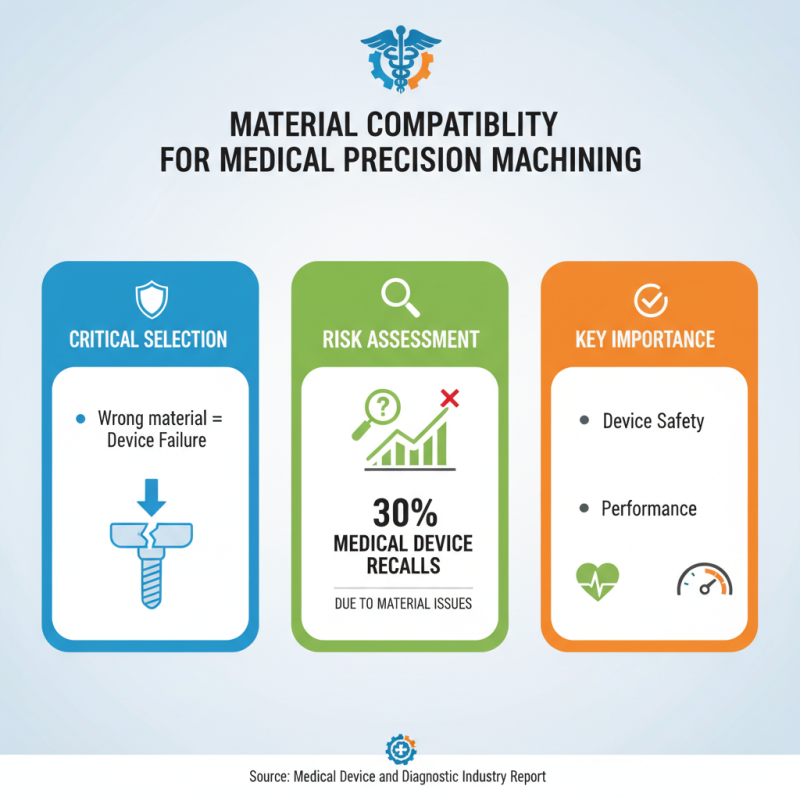
When selecting medical precision machining solutions, material compatibility is critical. The wrong material can lead to device failure. According to a report by Medical Device and Diagnostic Industry, nearly 30% of medical device recalls are due to material issues. Hence, understanding material properties is essential for ensuring device safety and performance.
Metals like stainless steel and titanium are frequently used in medical applications. Stainless steel is corrosion-resistant and durable, making it ideal for surgical instruments. Titanium, known for its biocompatibility, is preferred for implants. However, not all grades of these metals are suitable for every application. Each grade has specific characteristics that affect performance and compatibility.
In addition to metals, polymers also play a pivotal role. Medical-grade nylon and polypropylene are common in disposable devices. Each polymer type has unique properties, such as flexibility or strength. A mismatch can result in catastrophic outcomes. Understanding these nuances is vital for any manufacturer. Keeping abreast of recent studies and material innovations can guide better choices. The right material ensures patient safety and enhances device functionality.
Assessing the Technological Capabilities of Machining Providers
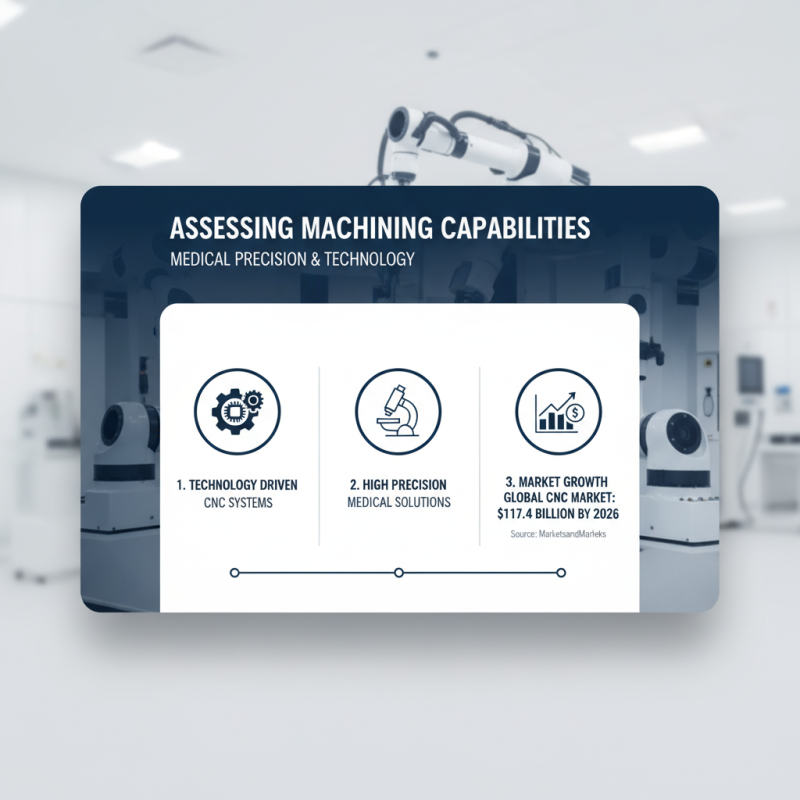
When selecting medical precision machining solutions, evaluating technological capabilities is essential. Advanced machining providers utilize Computer Numerical Control (CNC) systems to deliver high precision. According to a report by MarketsandMarkets, the global CNC machine market is projected to reach $117.4 billion by 2026. This highlights a growing reliance on technology in the machining sector.
Moreover, the quality of materials used significantly impacts the outcome of any medical component. Processes like micro-machining and laser cutting are essential for producing intricate designs. A 2022 study by SME revealed that about 70% of medical device manufacturers cite material precision as a key factor in selecting their suppliers. Without this precision, components may fail in critical applications.
Evaluating a provider's certifications and experience is equally crucial. Manufacturers that adhere to ISO 13485 demonstrate quality management practices for medical devices. However, many smaller companies lack these certifications. This can lead to inconsistencies. It's important to weigh the trade-offs between cost and reliability in your decision-making process. Integrating feedback from previous clients can offer valuable insights into a provider's real-world capabilities. Balancing innovation with proven reliability will ensure the best choice is made for your specific needs.
Ensuring Compliance and Quality Standards in Medical Manufacturing
In the medical manufacturing sector, compliance and quality standards play a crucial role. A recent industry report highlights that nearly 70% of manufacturing errors trace back to non-compliance. Ensuring that precision machining solutions adhere to regulatory requirements is vital for patient safety and product efficacy. Companies must remain vigilant in monitoring the latest guidelines from organizations like the FDA and ISO.
Quality control protocols are also essential in medical machining. Small variances can lead to significant consequences in device performance. For instance, a report from the Medical Device Innovation Consortium states that 40% of medical devices undergo recalls due to quality failures. Adopting robust quality management systems can mitigate these risks. Regular audits and inspections should be standard practice.
Choosing the right precision machining partner can be challenging. Many companies claim to comply with standards without adequate evidence. Transparency is paramount. Manufacturers should request documentation and certifications to verify compliance claims. Engaging in thorough due diligence can help companies avoid costly pitfalls in the production process. It's essential to recognize that achieving compliance is an ongoing journey rather than a one-time checklist.
2026 Medical Precision Machining Solutions - Compliance and Quality Standards
This chart illustrates the key quality standards and compliance levels achieved by various medical precision machining solutions in 2026, demonstrating their effectiveness in meeting industry requirements.