2026 Top Trends in Automotive Cnc Parts for Advanced Manufacturing?
The automotive industry is on the brink of a transformative era, particularly in the realm of Automotive CNC Parts. By 2026, advanced manufacturing techniques are set to redefine the standards of precision and efficiency. Manufacturers are rapidly adopting CNC technology to produce intricate parts that meet high-quality specifications. This shift is not merely about speed; it emphasizes a commitment to quality and innovation.
In the backdrop of major trade events like the 2026 Canton Fair, companies are exploring cutting-edge solutions. The integration of AI for supplier selection is changing the dynamics of sourcing Automotive CNC Parts. However, this progress brings challenges. While AI enhances efficiency, it also raises questions about dependency on technology. Can we ensure quality in such a fast-paced environment?
As we look forward, the significance of Automotive CNC Parts cannot be overstated. These components play a crucial role in vehicle performance and safety. By 2026, the landscape will likely change, but it is vital to reflect on how we navigate these advancements responsibly. Balancing innovation with quality assurance will be key in shaping the future of automotive manufacturing.
Emergence of Advanced Materials in CNC Machining for Automotive Parts
The landscape of CNC machining in the automotive industry is rapidly changing. Advanced materials are taking center stage.
Lightweight composites and high-strength alloys are now key players.
These materials enhance performance and fuel efficiency. They also pose challenges for machining processes. Machinists must adapt to their properties.
Incorporating these advanced materials is not always seamless. Wear and tear on CNC tools often increase.
Cutting speeds may need adjustment to avoid defects. There are instances where traditional methods fail. This requires ongoing innovation in machining strategies.
It's a constant push and pull between technology and material science.
Furthermore, the focus on sustainability is influencing material choices.
Recycled materials are becoming more prominent. The automotive sector demands eco-friendly solutions.
However, these materials can be unpredictable. They may not perform as expected.
Thus, a cautious approach is essential for manufacturers.
Balancing performance and sustainability is a growing trend.
As the industry evolves, so must the techniques used in CNC machining.
Integration of Automation and Robotics in Automotive CNC Manufacturing
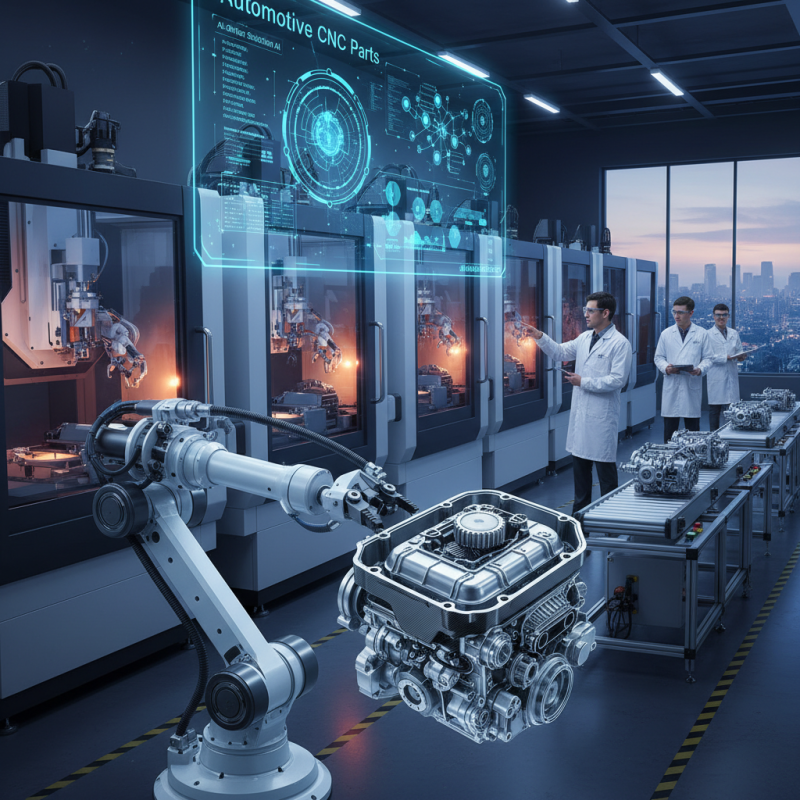
The integration of automation and robotics is transforming automotive CNC manufacturing. Recent studies show that implementing robotic systems can enhance efficiency by up to 30%. This transition allows manufacturers to achieve higher precision in producing automotive parts. Robots can operate in harsh environments and execute repetitive tasks without fatigue, ensuring consistent quality.
However, the shift isn't without challenges. Many manufacturers struggle with the initial setup costs and training workers to adapt to new technologies. There's a steep learning curve when it comes to programming and maintaining robotic systems. According to industry surveys, nearly 40% of companies report difficulties in integrating these advanced systems into their existing workflows.
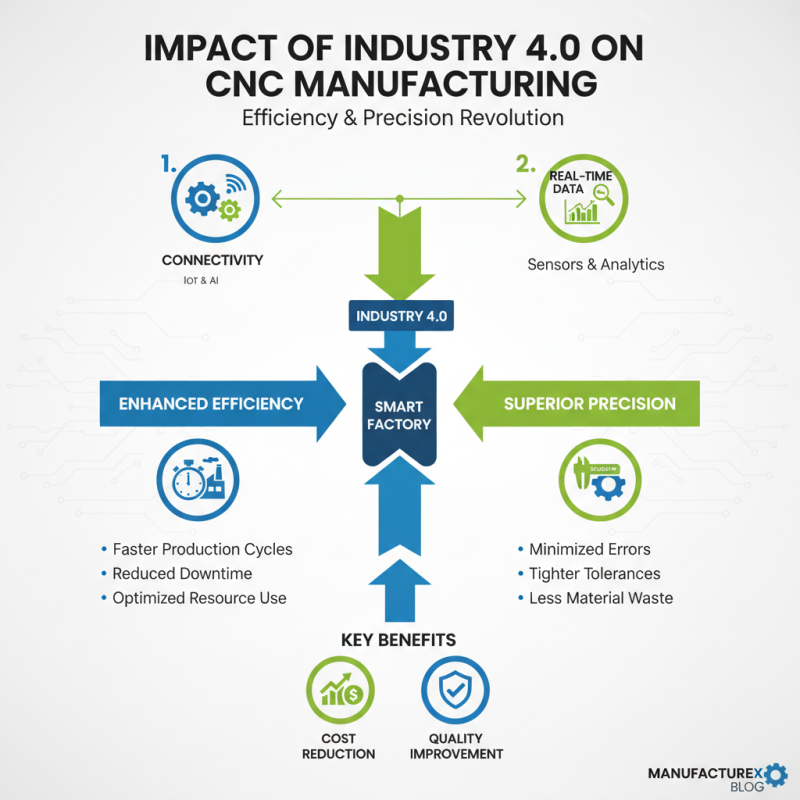
Despite these hurdles, the long-term benefits are compelling. Enhanced automation can lead to reduced labor costs and increased production speed. As the industry moves towards Industry 4.0, the potential for improved data analytics in CNC manufacturing is becoming apparent. Companies that embrace these changes could gain a significant competitive edge in the market.
Trends in Customization and Personalization of Automotive CNC Parts
Customization and personalization in automotive CNC parts are gaining momentum. As the automotive industry shifts, unique designs are becoming more important. Drivers want their vehicles to reflect their personalities. This trend is opening doors for custom CNC machining services.
Automotive parts can now be tailored to specific needs. Manufacturers can produce specialized components for performance improvement. Customers can choose materials, dimensions, and finishes that suit their individual preferences. This level of personalization was rare just a few years ago. However, it poses challenges in terms of scalability and efficiency. Balancing mass production with custom needs is tricky.
While this customization trend flourishes, some drawbacks emerge. Lead times can increase, and costs may rise. Smaller manufacturers may struggle to adapt. It's crucial to find the right approach that satisfies both customization and efficiency. Reflecting on these challenges can lead to better solutions. The road ahead looks promising, but careful navigation is necessary.
2026 Top Trends in Automotive CNC Parts for Advanced Manufacturing
| Trend |
Description |
Impact on Customization |
Personalization Techniques |
Estimated Growth % |
| 3D Printing Integration |
Utilizing additive manufacturing for complex component design. |
Allows for unique part designs tailored to individual preferences. |
Custom part fabrication using customer-specified models. |
25% |
| IoT Integration |
Embedding sensors in CNC parts for real-time data collection. |
Enhances vehicle personalization through performance tracking. |
Feedback-driven updates for enhanced user experience. |
30% |
| Sustainable Manufacturing |
Focus on eco-friendly materials and processes. |
Personalization around eco-conscious choices in materials. |
Options for bio-based or recycled material parts. |
20% |
| Advanced AI & Automation |
Utilizing AI for better design and manufacturing efficiency. |
Tailors manufacturing processes to customer-specific demands. |
Smart part adjustments based on user behavior data. |
35% |
| Rapid Prototyping |
Quickly designing and testing new automotive parts. |
Facilitates rapid feedback and customization iterations. |
Interactive prototypes based on consumer insights. |
40% |
Sustainability Practices in the Manufacturing of Automotive Components
Sustainability is becoming critical in automotive manufacturing. Recent studies show that around 70% of industry leaders prioritize eco-friendly practices. This shift is not just a trend; it's a necessity driven by global demand for greener products. For instance, the use of recycled materials can cut production waste by as much as 30%. Manufacturers are increasingly looking for ways to integrate these materials into CNC parts.
Incorporating renewable energy sources is also gaining traction. Reports indicate that about 40% of automotive manufacturers aim to power their operations with solar or wind energy by 2025. However, this transition faces challenges. Many facilities still rely on traditional energy sources, hampering efficiency goals. Despite the intention, upgrading infrastructure can be a slow process.
Moreover, the lifecycle of automotive components is often overlooked. While many manufacturers focus on production, end-of-life processing remains an issue. Industry data suggests that less than 20% of old parts are recycled effectively. This creates a larger environmental footprint. Addressing these aspects is essential for a truly sustainable future in automotive manufacturing.
2026 Top Trends in Automotive CNC Parts for Advanced Manufacturing
This chart illustrates the projected trends in sustainability practices within the manufacturing of automotive components for the year 2026. The data reflects various practices and their importance as perceived by industry stakeholders.