How to Choose the Best Automotive Fixture Manufacturing Solutions?
Choosing the right automotive fixture manufacturing solutions is crucial for businesses in the automotive sector. A well-designed fixture enhances efficiency and accuracy in production. However, not all fixtures are created equal. The market offers a wide range of options, each with unique features and benefits.
When considering automotive fixture manufacturing, it’s essential to evaluate specific needs. One must assess the production volume and the type of vehicles being assembled. Small manufacturers may require different solutions than large-scale operations. Additionally, flexibility in design can be a significant factor. Fixtures that can adapt to various models save both time and resources.
Reliability is another critical aspect. A trusted manufacturer provides assurance of quality and performance. Researching past projects, client testimonials, and industry reputation can highlight areas needing reflection. Investing time in this process pays off, ultimately leading to better production outcomes.
Understanding Automotive Fixture Manufacturing Needs
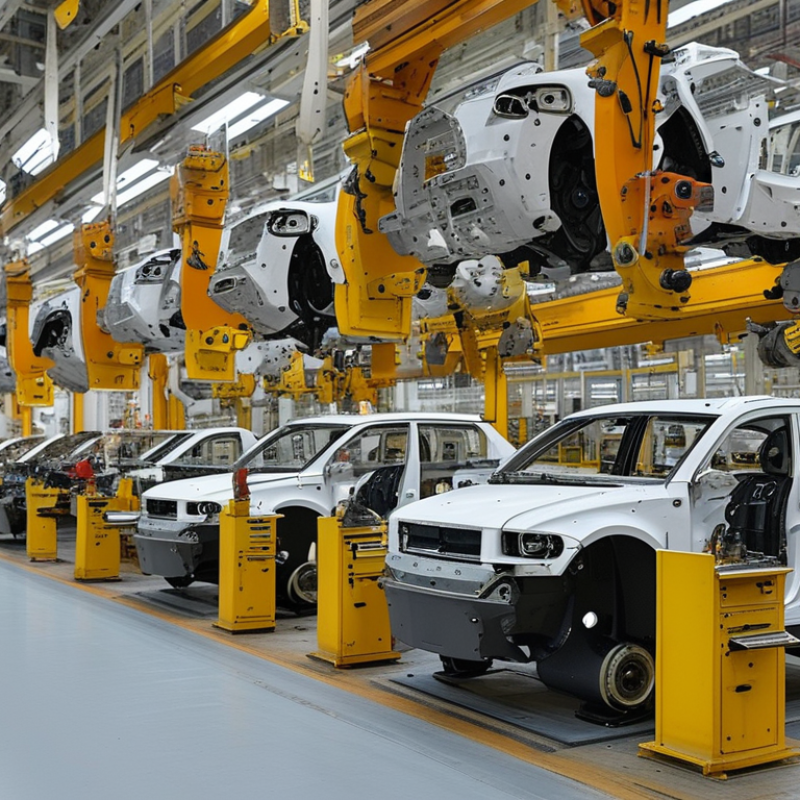
Understanding the unique needs of automotive fixture manufacturing is critical for achieving efficiency and precision. Automotive fixtures are essential for assembly lines and fabrication processes. They ensure that components are positioned correctly during manufacturing. Understanding this need stems from recognizing the exact requirements of each production stage. Accurate fixtures lead to less rework and higher quality products.
Different automotive projects demand different specifications. Materials, dimensions, and tolerances vary widely among vehicles. A thorough assessment of the production process can reveal specific fixture needs. Design teams must communicate with engineers to address these variations effectively. Often, overlooked details impact the entire workflow. This highlights the importance of using experienced professionals who can foresee potential challenges.
Moreover, feasibility studies can guide design choices. Exploring potential pitfalls before implementation can save time and costs. Investing in tailored fixtures can enhance productivity, but only if the underlying needs are well understood. Sometimes, companies may rush this phase, leading to mismatched fixtures. Analysis and reflection on each step are vital. Understanding automotive fixture needs is not just about the product; it’s about the process of manufacturing success.
Evaluating Different Types of Automotive Fixtures
When evaluating different types of automotive fixtures, it is essential to consider several factors. Many fixtures are designed for specific tasks, from assembly to quality control. Understanding the purpose of each fixture type can guide manufacturers in selecting the right solution.
Robustness is key in automotive fixtures. They should endure repetitive use without degrading. Identify fixtures made from durable materials. Lightweight options may seem appealing but often sacrifice strength. It's also essential to evaluate the ease of use. Fixtures must allow for quick setup and adjustments to enhance productivity. Complex setups can lead to errors and wasted time.
Customization can also be a significant consideration. Not all automotive components are the same. A one-size-fits-all approach may lead to inefficiencies. Have the fixture tailor-made to fit the specific geometry of the parts being produced. However, this needs careful planning to avoid potential pitfalls. Inadequate testing or misalignment can compromise quality. Balancing cost, efficiency, and performance is often challenging but necessary for long-term success.
Key Factors to Consider When Choosing a Manufacturer
When selecting an automotive fixture manufacturer, several key factors play a crucial role. Experience in the industry is paramount. A manufacturer with years of expertise understands the nuances of automotive production. They can anticipate challenges and offer effective solutions. Review their project portfolio and check for successful collaborations.
Quality is another significant consideration. Examine the materials and processes they use. A reliable manufacturer invests in high-grade materials and state-of-the-art equipment. This commitment to quality translates into durable fixtures. Pay attention to quality assurance practices. They should have stringent checks throughout the manufacturing process.
Tips: Always ask for references from past clients. This will give insight into their reliability. Additionally, evaluate their customer service. A responsive team can make the entire process smoother. Don’t hesitate to ask about their ability to adapt to new technologies or changes in your requirements. Finally, consider their delivery timelines. Timeliness can affect production schedules significantly, so a manufacturer must meet deadlines.
Key Factors in Choosing the Best Automotive Fixture Manufacturing Solutions
Assessing Quality and Precision in Fixture Production
Quality and precision play critical roles in automotive fixture production. Fixtures need to fit perfectly for manufacturing processes to work efficiently. When assessing fixture production, start by evaluating the materials used. High-quality materials enhance durability and accuracy. For instance, steel and aluminum are popular choices due to their strength.
Next, consider the manufacturing techniques employed. CNC machining and additive manufacturing advance precision. Each method has strengths and weaknesses. CNC machining provides high accuracy, while additive manufacturing allows for complex designs. However, not every manufacturer invests equally in technology. Look for evidence of innovation and equipment investment.
Quality control is another crucial area. Reliable manufacturers adopt stringent testing protocols. From initial design to final output, every stage must undergo scrutiny. Keep in mind that even experienced manufacturers may have flaws in their processes. Regular audits and customer feedback help identify areas for improvement. A transparent approach to quality management builds trust. Trust is vital in establishing long-term business relationships.
Exploring Cost-Effectiveness in Automotive Fixture Solutions
When selecting automotive fixture solutions, cost-effectiveness plays a significant role. Companies face overwhelming choices. It's vital to assess both upfront costs and long-term savings. Investing in high-quality fixtures may require a bigger initial budget, but they often lead to improved accuracy and reduced rework. Cheaper options can seem appealing but often result in higher maintenance costs.
Understanding the lifecycle of fixtures can guide your decision. Durable materials and innovative designs may have a higher cost but often deliver greater reliability. For example, fixtures that are easily adjustable save time during production. This translates to less downtime and improved efficiency. Immediate savings might be tempting, yet they may not lead to sustainable growth.
Incorporating feedback from engineers and production teams can enlighten the selection process. Real-world experiences highlight the importance of adaptability in fixtures. Mixing and matching solutions to meet specific needs can lead to unexpected challenges. The goal is to balance value with performance. An ongoing evaluation of your choices ensures that the fixtures remain relevant. The journey to find the best solution continues as technology evolves.