What Are the Best Practices in Automotive Fixture Manufacturing?
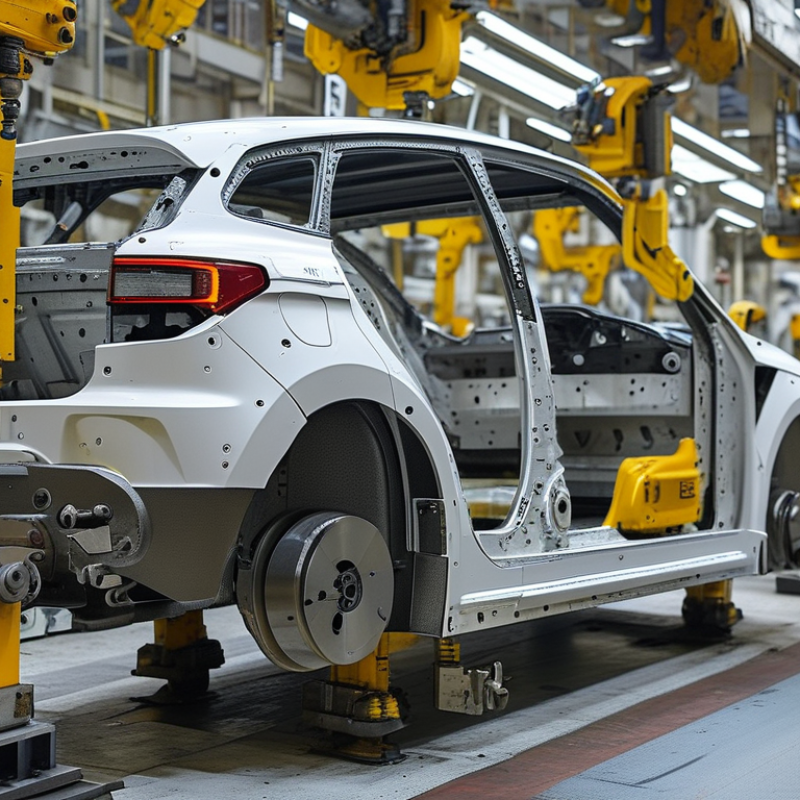
Automotive Fixture Manufacturing plays a crucial role in the automotive industry. The process involves creating tools, jigs, and fixtures that ensure precision during vehicle assembly. Quality and accuracy in this field significantly affect production efficiency.
Many manufacturers strive for excellence, but challenges often arise. Issues such as material selection and design flaws can hinder progress. It’s essential to reflect on past mistakes and learn from them. Continuous improvement is a necessity in Automotive Fixture Manufacturing.
Industry best practices can guide manufacturers in achieving high standards. For instance, adopting advanced technologies and investing in skilled labor can enhance outcomes. Attention to detail and strict quality control are vital. Emphasizing these factors helps create reliable fixtures that meet industry demands.
Understanding Automotive Fixtures and Their Importance
Automotive fixtures serve a critical role in the manufacturing process. They provide the necessary support and alignment for parts during assembly. Well-designed fixtures enhance accuracy and reduce variability in production. This is essential for ensuring consistent quality in automotive components.
Choosing the right materials for fixtures is vital. Common options include steel and aluminum, but each has its own pros and cons. Steel offers strength, while aluminum provides lighter weight. The choice often depends on the specific application and budget constraints. Moreover, failing to optimize your fixture design can result in costly errors and rework.
It's important to consider how fixtures can affect the entire manufacturing workflow. Complex designs might improve precision, but they often lead to longer changeover times. Simpler fixtures might limit flexibility but can streamline processes. Regular evaluation of fixture performance is necessary. This reflection can identify areas for improvement and enhance overall efficiency. Adapting to new methodologies can be challenging but crucial for staying competitive in automotive manufacturing.
What Are the Best Practices in Automotive Fixture Manufacturing? - Understanding Automotive Fixtures and Their Importance
| Dimension |
Specification |
Importance |
| Material Selection |
Aluminum, Steel, Composite |
Ensures durability and weight optimization |
| Design Precision |
Tolerances of ±0.01 mm |
Affects fit and functionality of components |
| Testing Procedures |
Load tests, fatigue tests |
Validates performance and safety |
| Manufacturing Techniques |
CNC machining, welding |
Improves efficiency and accuracy |
| Quality Control |
ISO 9001 standards |
Ensures consistent product quality |
| Lead Time Management |
Target 4-6 weeks |
Meets customer delivery expectations |
Key Materials Used in Automotive Fixture Manufacturing
In automotive fixture manufacturing, choosing the right materials is crucial. Various factors must be considered, including strength, weight, and cost. Aluminum is often favored due to its lightweight nature and corrosion resistance. It's an ideal choice for fixtures that require portability and durability. However, it may not be suitable for every application; sometimes, its strength is not enough for heavy-duty tasks.
Steel is another common material used for automotive fixtures. It offers excellent strength and rigidity, making it perfect for heavy components. A downside is its weight, which can be a disadvantage in some designs. Engineers often face a dilemma between weight and strength. Sometimes, the best choice involves a combination of materials. This approach takes advantage of the properties of different materials while minimizing their drawbacks.
Composite materials are gaining traction. They offer a blend of lightness and strength, making them suitable for advanced fixtures. However, materials like carbon fiber can be expensive, leading to budget concerns. Each material has its pros and cons, and the selection process can be complex. It requires deep understanding and careful consideration of the specific application needs.
Design Principles for Effective Automotive Fixtures
Effective automotive fixture design requires precise engineering and insight. The design principles should focus on alignment, stability, and user-friendliness. Research from industry reports shows that 70% of manufacturing errors arise from poor fixture design. Prioritizing accuracy in dimensions and tolerances is essential. When fixtures fail to hold components correctly, it leads to increased costs and time delays.
Selecting materials that withstand high stress is crucial. For instance, using robust composites can enhance durability. Additionally, fixtures should be lightweight to facilitate easier handling. Industry data indicates that well-designed fixtures can reduce assembly time by up to 30%. Engineers often face challenges when adapting existing designs to new applications. Continuous assessment and iterative improvements are necessary.
User feedback plays a vital role in refining designs. Training operators on proper usage can further enhance effectiveness. Regular audits of fixture performance are beneficial. Reports suggest that organizations that implement ongoing training see a 25% reduction in errors. Designing fixtures requires a blend of innovative thinking and practical adjustments. Striving for improvements is a key aspect of automotive fixture manufacturing.
Quality Control Measures in Fixture Production
In automotive fixture manufacturing, quality control is paramount. It ensures that each fixture meets the required specifications and performs as expected. Effective quality control measures can lead to better efficiency and reduced costs. By implementing structured protocols, manufacturers can identify errors early in the production process.
One essential tip is to create a robust inspection checklist. This checklist should include critical measurements and functional tests for each fixture. Regularly updating this checklist based on past performance can help address recurring issues.
Another important aspect is employee training. Workers must understand the significance of quality control. Encouraging a culture of accountability can improve outcomes. A knowledgeable team is more likely to catch mistakes before they escalate.
Documentation is also key. Keep detailed records of inspections and test results. This transparency aids in tracking performance trends over time. Additionally, it fosters a sense of responsibility among staff members. Emphasizing these practices can significantly enhance overall fixture production quality.
Future Trends in Automotive Fixture Manufacturing Practices
The automotive fixture manufacturing industry is poised for significant evolution.
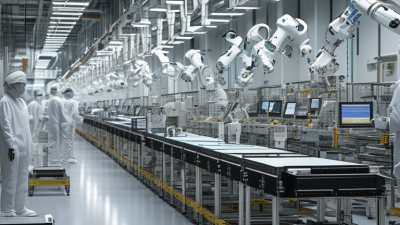
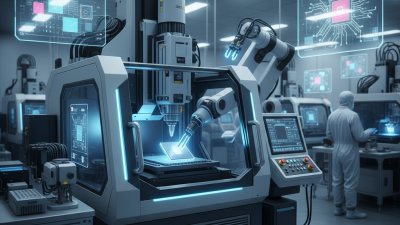
Advances in automation and smart technology are reshaping production processes.
These changes promise greater efficiency and precision.
With the rise of Industry 4.0, manufacturers can collect real-time data to enhance operations.
Predictive maintenance helps reduce downtime and improves overall effectiveness.
However, challenges remain. Integrating new technologies into legacy systems can be difficult.
Workforce training is crucial. Skilled technicians are needed to operate sophisticated machinery.
There is also a risk of over-reliance on automation. Human oversight is essential to ensure quality and adaptability in production.
As manufacturers adopt these trends, they must remain thoughtful about the balance between innovation and tradition.
Sustainability is becoming a focal point as well.
Many companies are exploring eco-friendly materials and processes.
This shift reflects a growing commitment to reducing environmental impact.
While the transition may be complex, it holds potential for long-term benefits.
Maintaining a sustainable approach could be a competitive advantage in the future.