How to Choose a High Precision Machining Supplier?
Choosing a High Precision Machining supplier is not just about comparing prices or browsing polished capability lists. The right partner must hold your part’s tolerances consistently, understand its material, and explain how production quality is verified. Details matter. A quote may look convincing, but it cannot show whether the supplier has measured similar features under real production conditions.
Start with the evidence behind the claims. Ask what inspection equipment is used, such as a coordinate measuring machine, and whether measurement reports can be provided for critical dimensions. Discuss material certificates, revision control, traceability, and how the supplier handles parts that fall outside specification. A sample component can reveal practical issues too: burrs around a drilled hole, inconsistent surface finish, or a datum that is difficult to inspect. These small details often affect assembly and cost later.
Price still matters. So do lead times, communication, and the supplier’s ability to scale from prototypes to repeat orders. Compare these factors against your drawing, volume, and risk—not against a generic checklist alone. No supplier is perfect, and a confident answer is not proof by itself. I have seen selection decisions look clear on paper, then change after a sample run or a closer review of inspection records. The sections ahead explain how to assess technical capability, quality systems, quoting, and communication before choosing a machining partner.
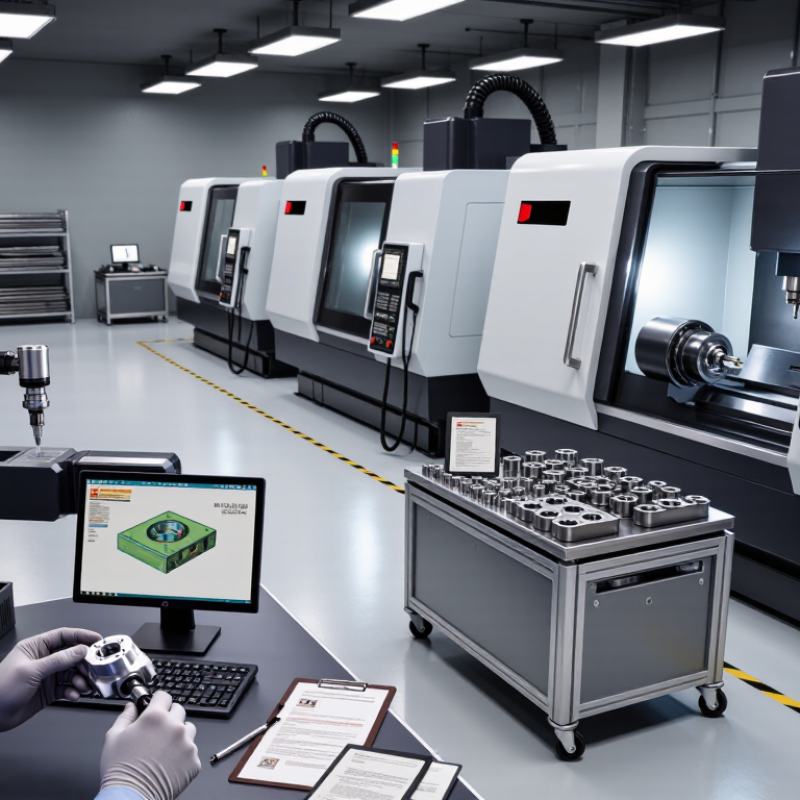
Define Your Precision Machining Requirements
Before comparing machining suppliers, describe the part in measurable terms. Specify the material grade, finished dimensions, critical tolerances, surface finish, and required quantity. A tolerance of ±0.01 mm on a bearing seat may matter; the same tolerance across every face may add cost without improving function.
Mark critical features on a current drawing, and identify datums, threads, and inspection points. Include the expected operating conditions, such as load, temperature, or contact with other parts. If a dimension is unclear, say so rather than assuming the supplier will interpret it correctly. A drawing can still be wrong.
Think about the production stage, too. A one-off prototype may need fast adjustments, while a repeat order benefits from stable inspection records and consistent setups. Ask what evidence you need: dimensional reports, material certificates, or surface-finish readings. Not every feature needs the same level of inspection. Overchecking can waste time, but underchecking a tight bore can leave an assembly that binds. It is easy to overlook burr removal; note it when edges affect fit or handling.
Assess Supplier Capabilities and Equipment
A high-precision machining supplier should be able to explain how its equipment matches your part’s requirements. Ask about machine types, working envelopes, spindle condition, and typical tolerance ranges. A five-axis mill may handle complex angles, while a stable turning center may suit round components better. Request examples of comparable parts, not just a general capability sheet. Numbers matter.
Tips: Ask to see recent calibration records for key inspection tools. Check whether the supplier uses a coordinate measuring machine, optical equipment, or gauges suited to your part. Confirm how often tools are checked and what happens when a measurement falls outside tolerance.
Equipment alone does not guarantee consistent results. Ask how operators manage temperature, tool wear, workholding, and setup changes between batches. A short trial run can reveal practical issues, such as burrs around a small bore or variation across a thin wall. Review sample inspection reports and traceable measurement data. Pay attention to how clearly the team explains any limits. A supplier may not have every capability in-house, and that is worth discussing rather than overlooking. This checklist is not perfect; part geometry and material can change what matters most.
Verify Quality Systems and Certifications
A high precision machining supplier should be able to explain how its quality system works, not just display a certificate. Ask for current certificates and check the issuing body, covered facility, and scope. A certificate may cover one site or process, not every operation. Confirm that its requirements match your part, material, and industry needs.
Look for evidence in daily shop records. Ask how operators verify measuring equipment calibration, track material lots, and document inspection results. For a tight-tolerance shaft, for example, the supplier should link the drawing revision to measurement data and the production lot. Ask how nonconforming parts are isolated and corrective actions are checked. A polished audit file helps, but it cannot guarantee every part is perfect; shop-floor practice matters too. I would want to see both.
Tips: Request a sample inspection report with sensitive details removed. Check whether it lists actual measurements, instrument identification, and acceptance limits. Ask who reviews the data and how often. Keep questions practical. If answers feel vague, pause and verify the process before placing an order.
Compare Lead Times, Costs, and Communication
How to Choose a High Precision Machining Supplier?
Compare Lead Times, Costs, and Communication
Compare suppliers using dated production milestones, not a single delivery promise. Ask when material arrives, when first-article inspection happens, and how much time remains for corrections. Ask for evidence. A 2020 global value-chain report, Risk, resilience, and rebalancing in global value chains, estimated that disruptions lasting a month or longer occur about once every 3.7 years. For tight-tolerance parts, check whether the supplier can explain schedule risks and offer realistic alternatives.
Compare quotes line by line: setup, programming, material, inspection, finishing, packaging, and expedited freight. Confirm whether inspection records and rework are included. A low unit price can shift costs into scrap, extra checks, or a rushed replacement shipment. Request a sample inspection report for a similar part, while remembering that one sample cannot prove consistent performance.
Communication is harder to measure than price. Send a specific drawing question during quoting, then note how clearly and quickly it is answered. Name a technical contact and agree on update frequency before production starts. I would not score responsiveness by friendliness alone; clear answers matter more. A small trial order can reveal gaps, though it adds time and cost. Decide whether that trade-off suits the part’s risk.
Evaluate Samples and Select a Long-Term Partner
Evaluate a machining supplier with production-like samples, not a polished showpiece. Ask for three to five parts made from the specified alloy, fixture, and drawing revision. Check critical dimensions against the drawing using a CMM or calibrated gauges. Request raw inspection results, material traceability, and surface-finish readings. Keep one part for independent remeasurement. Small details matter: a burr inside a cross-hole can disrupt assembly even when exterior dimensions pass. Ask how nonconforming parts are contained and corrected. Listen for a clear answer.
Use sample results to assess the process, not just the operator. Request capability data for critical features, such as Cpk, and clarify the sample size and measurement method. A number without context is weak evidence. ISO’s 2023 Survey counted more than 1.2 million ISO 9001 certificates worldwide, making certification a useful screening signal, not proof of tight-tolerance performance. Review change control, calibration records, lead-time history, and corrective-action ownership. Deloitte and The Manufacturing Institute’s 2024 workforce study projects that up to 1.9 million U.S. manufacturing jobs could go unfilled by 2033. Discuss cross-training and backup machine coverage. A perfect sample can mislead. Ask for a repeat run weeks later, then compare measurements and delivery records. No sample predicts every production problem.
How to Choose a High Precision Machining Supplier
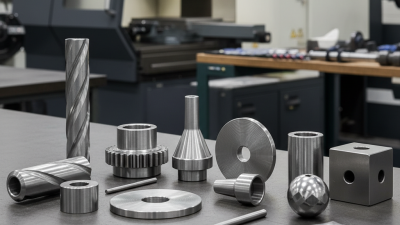
Evaluate sample parts before selecting a long-term manufacturing partner.
Illustrative ratings on a 1–5 scale, not measured supplier data. Assess sample parts against the drawing, review inspection records and material certificates, and confirm repeatability before committing to ongoing production.