How to Choose the Right Precision Machining Service for Your Needs?
Selecting the right precision machining service is a critical task for many industries. Precision machining plays a vital role in manufacturing critical components with exact specifications. The complexity of modern designs often requires more than basic machining. It demands a thorough understanding of materials and processes.
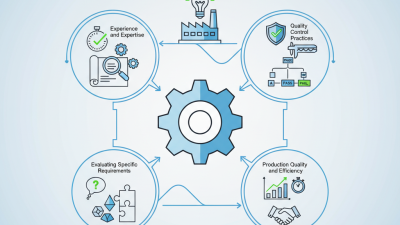
When choosing a provider, experience and expertise matter. A company with years in the field understands nuances that others may overlook. It's important to evaluate their equipment and technology. State-of-the-art machines can produce high-quality results consistently. Reliable services often have a proven track record of meeting deadlines and maintaining accuracy.
Nevertheless, not all services will meet your unique demands. Some might lack adaptability in their processes. Others may not align with your budgetary constraints. Reflecting on these factors can be challenging but necessary. Take time to assess and compare various options carefully. In the end, making an informed decision will lead to better outcomes in your projects.
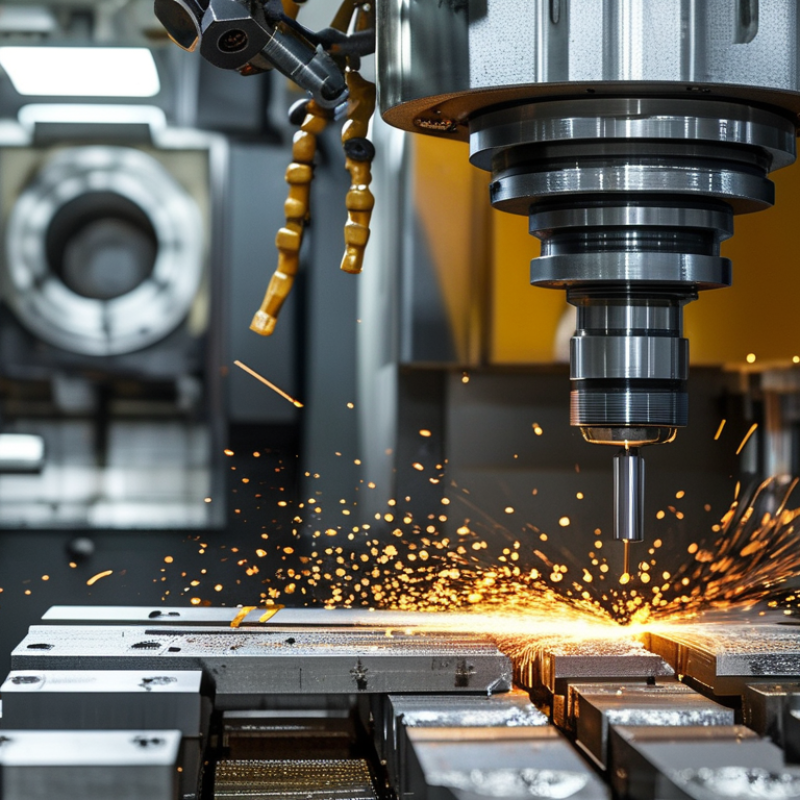
Understanding the Importance of Precision Machining Services
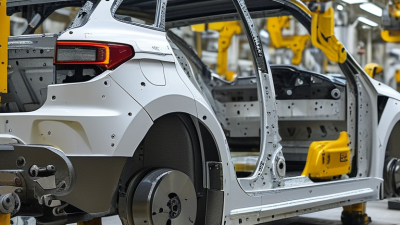
Precision machining services play a crucial role in various industries, including aerospace, automotive, and medical. These services ensure that components meet exact specifications. Precision is non-negotiable. A small error can lead to significant issues. For example, a misaligned part in an aircraft can compromise safety. Understanding this importance helps in making informed decisions.
Choosing the right service provider is vital. Look for companies with experience in your industry. Experience fosters trust and builds reliability. It's also essential to consider their technology and equipment. State-of-the-art machinery typically leads to better results. However, not all advanced machines are easy to operate. Skilled technicians must ensure quality output.
Communication with the service provider is essential. Explain your needs clearly; this helps avoid misunderstandings. Some companies may promise quick turnaround times but prioritize speed over quality. That can backfire. Taking the time to research potential partners is invaluable for long-term success. In a world where precision is paramount, selecting the right partner deserves careful consideration.
Identifying Your Specific Machining Needs and Requirements
When selecting the right precision machining service, identifying your specific needs is crucial. Start by analyzing the materials you require. For instance, different alloys and plastics require distinct machining techniques. According to a recent industry report, over 40% of machining defects are related to material misalignment, underscoring the need for precision in this area.
Consider the complexity of your project. Intricate designs may need advanced CNC machinery, while simple parts might only require basic lathes. A survey by the Precision Machining Association highlighted that 65% of engineers encountered challenges with complex geometries. This indicates that your chosen service should demonstrate expertise in handling detailed specifications.
Budget constraints often influence decisions as well. Aim to understand the pricing structure thoroughly. A breakdown of costs can reveal where savings might be found. However, sacrificing quality for a lower price can lead to long-term issues. A report from the Manufacturing Institute showed that 72% of companies experienced production delays due to poor initial machining choices. Balancing cost and quality is vital for project success. Keep these factors in mind to ensure you choose a precision machining service that truly meets your needs.
Evaluating Potential Service Providers and Their Capabilities
When selecting a precision machining service, evaluating potential providers is crucial. Start by assessing their experience in your specific industry. Companies often showcase projects they've completed. Look for examples similar to your needs. This offers insight into their capabilities. Be wary of providers with generic portfolios. Experience in your field shows they understand your requirements.
Next, consider their technology and equipment. Advanced machinery can enhance quality and efficiency. Ask about their machining processes and the types of materials they handle. This information reveals if they can meet your project specifications. Don't be afraid to inquire about certifications. These demonstrate adherence to industry standards and reliability.
Lastly, gather feedback from past clients. Reviews can provide valuable insights into a provider's reliability. Look for patterns in the feedback. Do clients often mention timeliness and communication? These factors matter in a successful partnership. However, be cautious of overly positive reviews, as they may not reflect the full picture. Balancing technical capability with client satisfaction is key to making a knowledgeable choice.
Comparing Costs, Lead Times, and Service Quality
When choosing a precision machining service, understanding costs, lead times, and service quality is essential. Costs can vary significantly. According to a recent industry report, average machining costs can range from $50 to $150 per hour. Factors influencing these prices include equipment type, material, and project complexity. It's common for services to provide bulk discounts, but always inquire about hidden fees.
Lead times are another critical component. The average lead time for precision machining can be anywhere from a few days to several weeks. A survey indicated that 40% of manufacturers cite delays in machining as a major issue, directly affecting project timelines. Selecting a service with clear scheduling and reliable delivery is crucial. Additionally, consider their capacity to meet urgent requests without sacrificing quality.
Service quality should not be overlooked. Look for certifications, such as ISO 9001, which demonstrate a service's commitment to quality. According to industry standards, nearly 70% of defects can be traced back to poor machining practices. It's vital to assess a service's quality assurance processes. Asking for samples of past work can provide insight into their capabilities. A balance of these factors will lead to better decision-making and ultimately a more satisfactory machining experience.
Considering Customer Reviews and Testimonials for Insights
When selecting a precision machining service, customer reviews and testimonials can provide valuable insights. Real experiences often reveal nuances that technical jargon cannot express. Read feedback from past clients. Look for comments about quality, turnaround times, and communication. A variety of perspectives can help you see the company's strengths and weaknesses.
Reviews reflect reliability but also highlight areas needing improvement. A company might excel in some aspects but falter in others. For instance, a machining service may have high-quality outcomes but struggles with customer service. Noting these inconsistencies can be crucial. Focus on common themes in multiple reviews, as these often indicate genuine performance.
Trust is built through transparency. Seek out businesses that openly share client feedback. Testimonials with detailed experiences can paint a clearer picture of what to expect. Avoid services with only positive reviews; they may hide flaws. Authentic feedback, both good and bad, fosters informed decisions. This careful scrutiny will guide you in finding the right precision machining service tailored to your needs.
How to Choose the Right Precision Machining Service for Your Needs?
| Service Provider |
Customer Rating |
Number of Reviews |
Common Feedback |
Response Time |
| Provider A |
4.5/5 |
230 |
High quality but slightly pricey |
Within 24 hours |
| Provider B |
4.2/5 |
150 |
Great team, fast delivery |
48 hours |
| Provider C |
3.8/5 |
90 |
Good service, need to improve communication |
72 hours |
| Provider D |
4.0/5 |
120 |
Reliable but limited services |
36 hours |
| Provider E |
4.7/5 |
300 |
Exceptional quality and customer care |
12 hours |