Top Automotive Fixture Manufacturing Trends for Global Buyers?
In the ever-evolving world of automotive fixture manufacturing, innovation drives the industry forward. This trend shapes how global buyers approach their sourcing strategies. The demand for precision and efficiency continues to grow, making advanced technologies essential. Manufacturers are focusing on quality and sustainability, while navigating complex supply chains.
As competition intensifies, buyers must adapt to these shifts. Many seek suppliers who demonstrate expertise and reliability. Understanding the latest trends in automotive fixture manufacturing is crucial for making informed decisions.
However, not all trends lead to immediate benefits. Some strategies may require more time and resources to yield results. Buyers should reflect on their priorities. Aligning with manufacturers that prioritize innovation while ensuring quality can foster long-term partnerships. Ultimately, navigating this landscape requires a keen eye for both opportunities and challenges.
Emerging Materials in Automotive Fixture Manufacturing
In recent years, the automotive fixture manufacturing sector has witnessed a shift towards innovative materials. Emerging materials offer several advantages, including improved durability and reduced weight. A report from MarketsandMarkets suggests that the market for automotive fixtures is expected to grow at a CAGR of 5.4% from 2021 to 2026. This growth is closely linked to material advancements.
Composite materials are gaining traction in this field. These materials combine fibers and resins, resulting in astonishing strength-to-weight ratios. They can significantly enhance the lifecycle of automotive fixtures. A study by Statista indicated that the use of composite components in vehicles could lead to a weight reduction of up to 20%. However, the high initial costs and complex manufacturing processes pose challenges for widespread adoption.
Another noteworthy trend is the application of 3D printing in automotive fixtures. This technology allows for rapid prototyping and customization. According to the 3D Printing Industry, the automotive industry will account for around 25% of the market share for 3D printing by 2025. While this opens new avenues for innovation, manufacturers must consider the consistency and reliability of printed components, as they depend heavily on the material quality used.
Advancements in Automation and Robotics for Fixtures
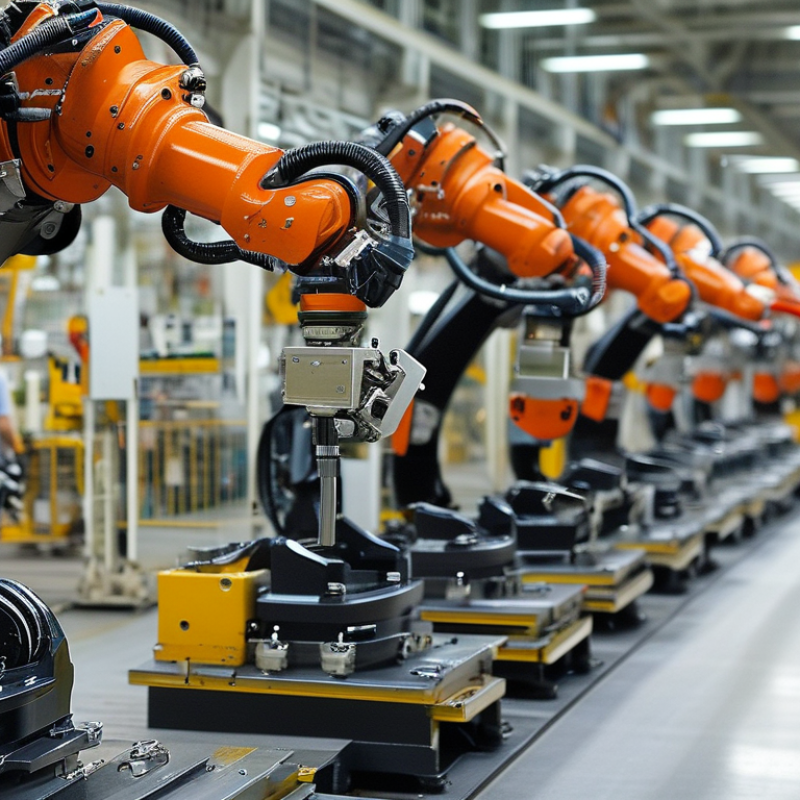
The automotive industry is witnessing transformative advancements in automation and robotics within fixture manufacturing. Automation enhances production efficiency, reduces labor costs, and improves precision. New robotic systems are designed with advanced sensors and AI, increasing their ability to perform complex tasks autonomously. These innovations streamline workflows and minimize human error.
However, transitioning to automated systems is not without challenges. Many manufacturers face significant upfront costs and may struggle with integrating new technologies into existing workflows. Training staff to work alongside robots is essential, yet often neglected. This oversight can lead to resistance and operational disruptions.
Moreover, while automation delivers speed and accuracy, it also raises questions about job displacement. Workers in traditional roles may feel uncertain about their futures as machines take over repetitive tasks. Balancing technological adoption with workforce implications is crucial. Companies must foster a culture of adaptability and continuous learning to thrive in this evolving landscape.
Top Automotive Fixture Manufacturing Trends for Global Buyers
| Trend |
Description |
Impact on Industry |
Year of Adoption |
| Increased Automation |
Adoption of automated processes enhances precision and efficiency in fixture manufacturing. |
Reduces labor costs and improves production speed. |
2021 |
| Robotic Integration |
Use of robotics for loading and unloading fixtures during machining processes. |
Increases safety and reduces human error. |
2020 |
| Smart Manufacturing |
Utilizing IoT devices to monitor and optimize fixture production in real-time. |
Enhances operational efficiency and helps in predictive maintenance. |
2022 |
| Sustainability Practices |
Incorporating eco-friendly materials and processes in the manufacturing of automotive fixtures. |
Meets regulatory standards and addresses environmental concerns. |
2023 |
| Advanced Inspection Techniques |
Implementing AI-driven quality control measures for fixtures. |
Improves product quality and reduces waste. |
2021 |
Sustainability Trends in Automotive Fixture Production
In recent years, the automotive industry has placed significant emphasis on sustainability. Automotive fixture production is no exception. Manufacturers now prioritize eco-friendly materials and processes. They seek to reduce waste and lower emissions. This shift reflects growing consumer demand for greener solutions.
Using recycled metals and biodegradable materials is becoming common. Many producers are investing in energy-efficient machinery. This not only reduces the ecological footprint but also cuts operational costs. However, implementing these changes can be challenging. The cost of green materials can be higher. Balancing quality with sustainability is a delicate task.
Moreover, safety standards remain a priority in fixture production. Innovations in sustainable fixtures must not compromise safety. This creates a complex balancing act for manufacturers. Each decision affects overall system performance and durability. Thus, many are in a continuous cycle of trial and error. They are exploring new methods while assessing the impact of their choices. The path to fully sustainable automotive fixture production is still a work in progress.
Top Automotive Fixture Manufacturing Trends for Global Buyers
Customization and Modular Design in Fixture Engineering
Customization and modular design have reshaped fixture engineering in the automotive sector. Buyers increasingly seek personalized solutions to meet specific needs. Fixtures must adapt to various vehicle models and manufacturing processes. This demand for adaptability necessitates a deeper understanding of the engineering principles involved.
Modular design allows for flexibility. Components can be easily assembled or disassembled based on different project requirements. This not only reduces costs but also shortens lead times. However, creating a truly modular fixture can be challenging. Designers must carefully balance standardization with customization. They need to ensure that each new design still meets quality and safety standards.
The trend toward customization highlights a greater user emphasis on efficiency and precision. As automotive technology advances, the fixtures used in manufacturing must evolve as well. A static approach can lead to inefficiencies. Innovation requires continuous feedback from buyers and engineers alike. This collaboration is crucial for developing fixtures that cater to dynamic production environments.
Impact of 3D Printing on Automotive Fixtures Design and Usage
The automotive industry is undergoing significant transformation, particularly influenced by 3D printing technologies. According to a report by MarketsandMarkets, the 3D printing market in the automotive sector is expected to reach $3.6 billion by 2025. This represents a CAGR of 23% from 2020 to 2025. The adoption of 3D printing allows manufacturers to produce complex fixtures with reduced lead times and lower costs.
3D printing offers unprecedented design flexibility in automotive fixtures. Designers can create intricate geometries that are difficult to achieve with traditional manufacturing methods. This advancement improves functionality and optimizes assembly processes. Additionally, prototypes can be produced rapidly, enabling better testing and iteration. A study from PwC highlighted that 67% of automotive executives see 3D printing as essential for their future strategies.
However, the integration of 3D printing is not without challenges. Many companies struggle with material limitations, where not all printed materials meet the required strength and thermal resistance. There is a learning curve in incorporating this technology into existing production lines. As manufacturers consider 3D printing, they must also evaluate the balance between cost savings and potential performance issues in their fixtures. The future of automotive fixture design will depend largely on addressing these complexities.