Leave Your Message

China Best Automotive CNC Parts Manufacturers?

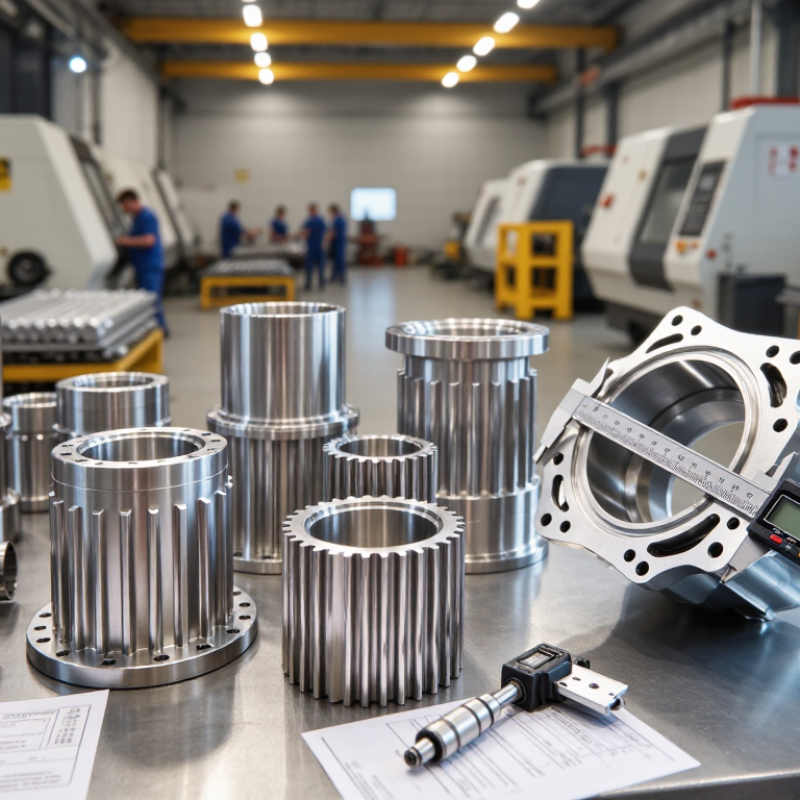
Choosing China’s best Automotive Cnc Parts manufacturers takes more than comparing prices or polished websites. Buyers need evidence that a supplier can repeatedly machine components to drawing, hold tolerances, and communicate clearly when a process changes. A clean aluminum housing may look simple; its bore, threads, and mating surfaces still need careful inspection.

Small details matter. A missed tolerance can delay assembly.

Automotive production expert Taiichi Ohno is widely associated with the principle, “Where there is no standard, there can be no kaizen.” That idea applies to supplier assessment: documented inspection methods and stable processes make improvement measurable. Still, a familiar quote is not proof of factory capability. Ask for current quality records, sample inspection reports, material traceability, and clear answers about equipment and production controls.

This guide examines how to assess Chinese manufacturers of Automotive Cnc Parts, including machining capability, quality systems, communication, and delivery planning. It also considers practical checks buyers can make before placing an order, such as reviewing first-article results and confirming how nonconforming parts are handled. Certifications can help, but they do not replace part-specific evidence. Nor does a low quotation tell the whole story; tooling, finishing, packaging, and inspection may change the real cost. A shortlist is only a starting point. The final choice should rest on verifiable records, relevant experience, and samples that meet the actual drawing. Even then, supplier evaluation is not perfect; production conditions can change, so ongoing review matters.
China Best Automotive CNC Parts Manufacturers?

What Automotive CNC Parts Are and Where They Are Used

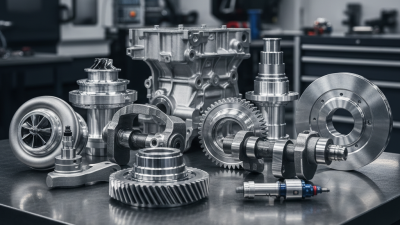
Automotive CNC parts are components shaped by computer-controlled cutting tools to meet defined dimensions and surface requirements. They appear in engines, transmissions, steering systems, and vehicle interiors. Examples include aluminum sensor housings, steel shafts, mounting brackets, and precise valve bodies. Some are visible under the hood; others sit deep inside an assembly. Small errors can cause poor fit, vibration, or premature wear.

CNC machining is useful for prototypes and components needing repeatable features, such as threaded holes, bearing seats, or narrow channels. It can process metals and engineering plastics, but material choice depends on heat, load, corrosion, and weight. Not every vehicle part needs machining. For high-volume, simple shapes, another manufacturing process may be more practical. A tolerance that looks impressive on a drawing can also raise cost without improving performance.

Tips: Check the part’s function, material, critical dimensions, and inspection plan before requesting a quote. Ask how features will be measured. For safety-related components, confirm testing and traceability requirements with qualified engineers. Details matter. Even a clean-looking sample may not reveal variation across a production batch.

How Chinese Manufacturers Produce Automotive CNC Parts

China Best Automotive CNC Parts Manufacturers?

How Chinese Manufacturers Produce Automotive CNC Parts

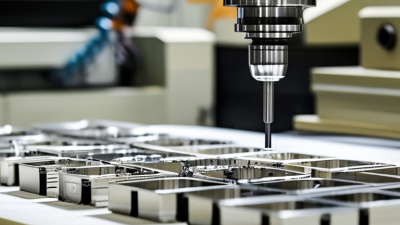
Automotive CNC production usually starts with a drawing review, material selection, and a clear tolerance plan. Engineers check features such as bearing seats, bolt holes, and sealing surfaces before programming the toolpath. Aluminum housings may need different cutting speeds from steel shafts. The machine is then set up with suitable fixtures, cutting tools, and workholding. A rigid setup helps prevent vibration and dimensional drift.

During machining, operators monitor tool wear, coolant flow, and key dimensions. A first-off part is measured before a batch proceeds, using gauges or coordinate measuring equipment where appropriate. If a bore measures slightly out of tolerance, the team may adjust the offset and inspect another sample. Not every part runs smoothly. Thin walls can distort, and overly aggressive cutting may leave marks or heat damage. Reliable production depends on documented checks, calibrated instruments, and communication between programming and inspection teams.

Tips: Ask how the supplier verifies critical dimensions, tracks material batches, and manages tool changes. Request a sample inspection report, not just a verbal assurance. Compare the stated tolerance with the part’s actual function; tighter is not always better. One detail is easy to overlook: a drawing revision can change the setup, so confirm that production uses the approved version.

Capabilities That Distinguish Leading Chinese CNC Manufacturers

Leading Chinese automotive CNC manufacturers distinguish themselves through process control, not machine count alone. A capable shop should show stable tolerances across repeat batches, documented inspection plans, and traceability from raw stock to finished part. Ask for a sample inspection report. Check bore measurements, surface finish, and the method used to verify critical features. Small details matter.

Automation is growing fast. The International Federation of Robotics’ World Robotics 2024 report recorded 541,302 industrial robot installations worldwide in 2023, with 70% installed in Asia. Yet robots do not guarantee precision. Skilled operators still need to manage tool wear, vibration, and thermal drift during long runs. A polished dashboard can hide inconsistent measurement practices.

Product knowledge matters, too. The International Energy Agency’s Global EV Outlook 2024 estimated nearly 14 million electric cars were sold in 2023, about 18% of global car sales. That shift raises demand for accurately machined housings, mounts, and thermal-management components. Strong suppliers review drawings early, flag difficult datums, and explain material or fixture risks before production. Be cautious when every feature is called easy. Real capability includes admitting where a process needs another test.

How to Evaluate and Compare Automotive CNC Parts Suppliers

How to Evaluate and Compare Automotive CNC Parts Suppliers

Choosing an automotive CNC parts supplier takes more than comparing unit prices. OICA reported 93.5 million motor vehicles produced worldwide in 2023, about 10% more than in 2022. That scale makes repeatable quality and delivery planning essential. Ask suppliers for inspection records, material certificates, and process-control data tied to the actual part. Check whether they can hold tolerances across a production run, not just on one sample. A shiny sample proves little.

Compare machining capacity, measurement equipment, and engineering response times. For a steering or transmission component, request a drawing review and a documented measurement report. Confirm how the supplier handles tool wear, nonconforming parts, and changes to material or process. IATF 16949 certification can indicate a quality-management framework, but it does not replace your own audits or part-specific checks. A gap in the paperwork may be minor—or worth investigating.

Tips: Send the same drawing and inspection requirements to every candidate. Compare quoted lead times against a sample production schedule, and verify who pays for rework if dimensions drift. Then check one batch yourself. It takes time. That is the point.

China Best Automotive CNC Parts Manufacturers? — How to Evaluate and Compare Automotive CNC Parts Suppliers

A practical, evidence-based comparison framework for assessing automotive CNC machining suppliers. Use the same part drawings, volumes, inspection requirements, and delivery assumptions when comparing quotations.

Evaluation Dimension Suggested Weight Evidence to Request How to Compare
Automotive Quality Management 15% Current quality-management-system certificates; certificate scope, issuing body, validity dates, and manufacturing-site coverage. Ask whether the site holds IATF 16949 certification or operates under another documented quality system. Verify certificates with the issuing body and confirm that the certified scope covers the quoted site and relevant machining processes. Do not treat a certificate alone as proof of part quality.
Manufacturing Capability 20% Machine list, work envelope, number of axes, available turning and milling processes, supported materials, secondary operations, and capacity for the required production volume. Match the supplier’s demonstrated equipment and processes to the actual drawing, material, geometry, annual demand, and production ramp. Confirm whether critical operations are performed in-house or subcontracted.
Dimensional Quality 20% Sample inspection reports for comparable features; measurement-equipment list and calibration records; capability-study data for agreed critical characteristics; nonconformance and corrective-action records. Compare results against the drawing’s tolerances and agreed acceptance criteria. Request capability data only for specified characteristics and confirm the measurement method and sample size before comparing suppliers.
Production Approval and Control 10% Ability to support customer-required APQP, PPAP, process flow diagrams, control plans, process FMEA, measurement-system analysis, and statistical process control. Confirm which deliverables are required by the customer and quote, their submission timing, and the supplier’s experience producing the applicable documentation. PPAP requirements should be agreed for the specific program.
Traceability and Material Control 10% Material certificates, heat or lot identification, incoming-inspection records, work-order links, production records, and finished-part identification or labeling procedures. Conduct a traceability exercise using a selected finished part and verify that its production and material records can be linked as required by the customer’s specification.
Delivery and Capacity 10% Quoted lead time, recent on-time delivery data, stated available capacity, production schedule, contingency plan, and approach to urgent changes or demand fluctuations. Compare like-for-like lead times and delivery terms. Request the calculation period and definition behind on-time delivery figures; distinguish confirmed capacity from uncommitted capacity.
Engineering and Communication 10% Drawing-review process, manufacturability feedback, revision control, named technical contact, change-management procedure, and response expectations for quality issues. Use the same drawing and revision for every supplier. Evaluate the clarity and practicality of documented feedback, and confirm how engineering changes are reviewed, approved, and recorded.
Total Cost and Commercial Terms 10% Itemized quotation, tooling and fixture charges, setup fees, inspection costs, packaging, freight assumptions, payment terms, minimum order quantities, and quotation validity. Compare total landed cost using the same quantities, material specifications, packaging, delivery terms, inspection scope, and tooling assumptions. Clarify exclusions before ranking quotations.
Environmental and Regulatory Readiness 5% Customer-required substance declarations, material-compliance documentation, waste-handling procedures, and relevant environmental-management-system certificates, where applicable. Check requirements against the part, destination market, and customer specifications. Verify the scope and validity of any certificate; do not assume a certificate replaces product-level declarations.
Total Suggested Weight 100% Suggested weights are a starting point. Adjust them to reflect the part’s safety relevance, complexity, production volume, and customer-specific requirements.

Scoring method: Score each supplier from 1 (insufficient evidence or major gap) to 5 (strong, verified evidence). Calculate the weighted result as: score ÷ 5 × suggested weight. These weights are an evaluation framework, not supplier performance data. Standards and customer-specific requirements should be checked for applicability and current revision before use.

Quality Standards and Sourcing Considerations for Buyers

When sourcing automotive CNC parts in China, assess process control alongside price and lead time. ISO 9001 certification signals a documented quality system, while IATF 16949 is tailored to automotive supply chains. Neither certificate proves that a specific batch meets your drawing. Ask for material certificates, inspection plans, measurement-system records, and traceable lot numbers. For tight tolerances, request sample reports from a coordinate measuring machine and discuss how the supplier controls tool wear between checks. Paperwork is not proof.

Deloitte’s 2024 Smart Manufacturing and Operations Survey found that 92% of surveyed manufacturers expect smart manufacturing to drive competitiveness within three years. For buyers, that makes digital traceability worth checking: can the supplier link a finished component to its material heat, machine, operator, and inspection results? Request capability data for critical dimensions, such as Cpk, but confirm the sampling method and production conditions behind the figure. A polished report may describe a short trial, not stable volume production. Visit the shop floor when possible; look for labeled gauges, controlled storage, and clear segregation of accepted and rejected parts. I would also ask how deviations are documented and corrected. This can feel tedious, yet one missing revision on a drawing can quietly create costly rework.

China Best Automotive CNC Parts Manufacturers? Quality Standards and Sourcing Considerations for Buyers

ISO 2768-1 general tolerances for a 50 mm linear dimension (30–120 mm range)

The bars show tolerance magnitude; each value is bilateral (±). These general tolerances apply only when the drawing specifies ISO 2768-1 and the relevant tolerance class. For automotive CNC sourcing, confirm critical dimensions, inspection methods, material specifications, and acceptance criteria directly with each supplier.

Reference: ISO 2768-1:1989, Table 1. General tolerances for linear dimensions.