10 Best Automotive CNC Parts You Should Know?
In the world of automotive engineering, precision is key. Automotive CNC parts play a crucial role in the efficiency and performance of vehicles. These components are crafted using advanced Computer Numerical Control (CNC) technology, ensuring high accuracy and consistency. From engine parts to transmission components, they shape the future of automotive design.
Understanding the best automotive CNC parts is essential for both manufacturers and enthusiasts. Each part has its purpose and impact on the vehicle's overall function. As technology evolves, so does the complexity of these parts. Familiarity with top options helps makers optimize designs and improve performance.
While exploring automotive CNC parts, one may encounter various materials and manufacturing processes. This diversity can lead to confusion. The industry requires a balance between innovation and practicality, raising questions about reliability and cost-effectiveness. Identifying reliable suppliers and understanding their processes is vital for success in this competitive field.
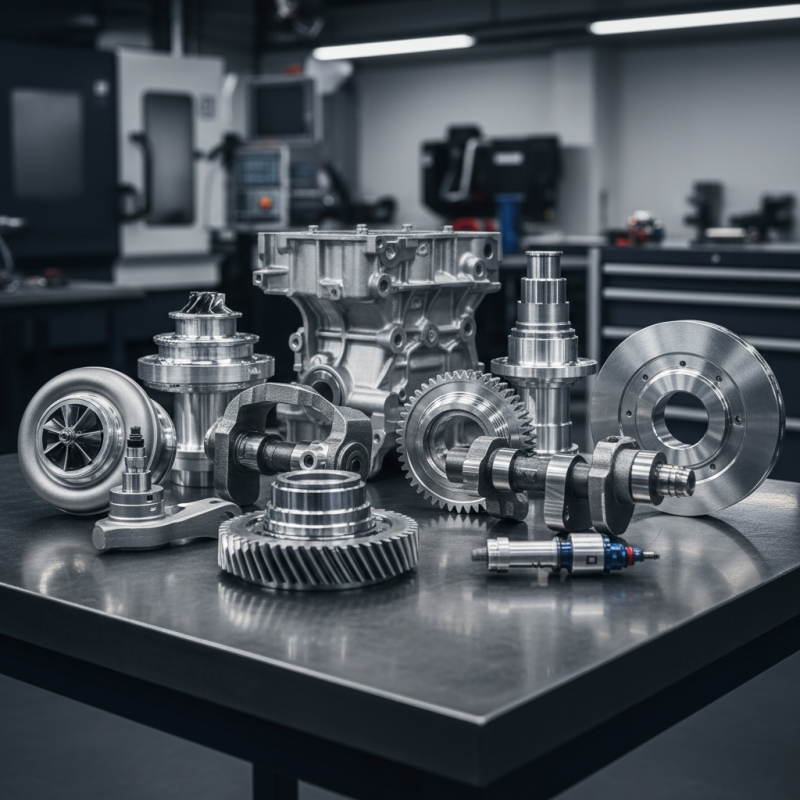
Overview of CNC Technology in Automotive Industry
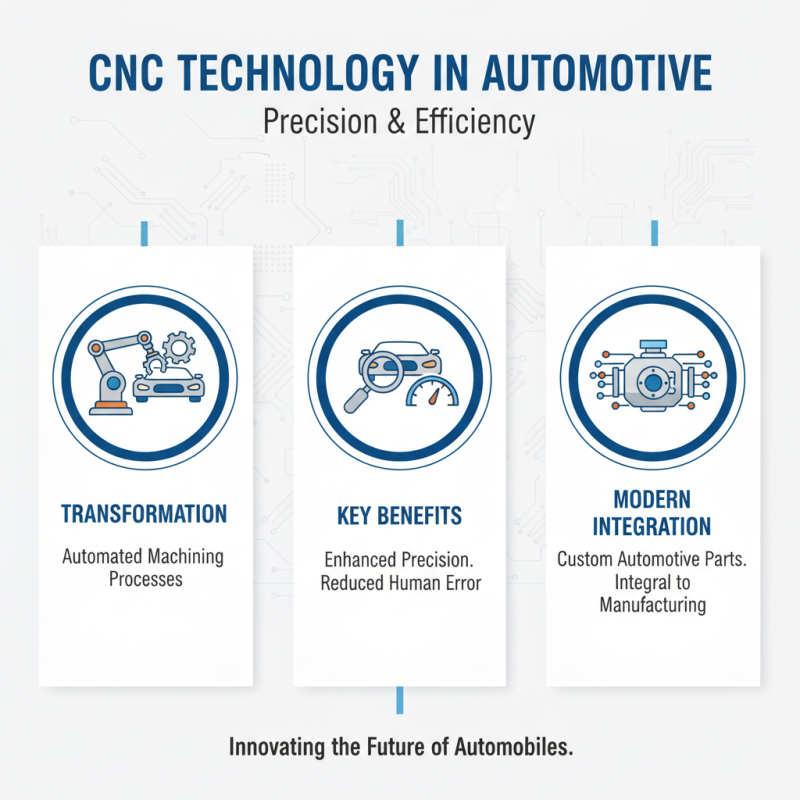
CNC (Computer Numerical Control) technology has transformed the automotive industry by enhancing precision and efficiency in manufacturing. This digital technology allows for automated machining processes. It significantly reduces the risk of human error. Over time, CNC has become integral in creating custom automotive parts.
With CNC, designers can produce complex geometries not possible with traditional methods. This capability leads to innovative car designs. Tools can be programmed to create high-quality parts with tight tolerances. Automated processes help manufacturers respond quickly to market demands, improving overall productivity.
Tips: Invest in training for your team. Skilled operators are essential for maximizing CNC potential. Regularly update software and machinery to stay competitive. Finally, always monitor the production process for quality assurance. Imperfection can occur, so it's vital to review and refine your methods continually. Adaptation is key in this fast-moving industry.
Key Benefits of CNC Machining for Automotive Parts
CNC machining offers significant advantages in the automotive sector. One of the main benefits is precision. CNC machines can produce parts with tolerances of less than one thousandth of an inch. This level of accuracy is crucial for components that require stringent quality standards. Missing these standards can lead to safety issues or mechanical failures.
Another key benefit is efficiency. CNC machining reduces production time. Complex designs that once required multiple setups can often be completed in a single operation. This not only speeds up the process but also minimizes material waste. However, it’s worth noting that initial setup and programming can be time-consuming, which may delay the overall schedule.
Cost effectiveness is also a major consideration. While the upfront cost of CNC machines is high, their long-term savings on labor and materials often offset this. Smaller businesses might struggle with these initial costs, leading to reflection on budget allocation. Balancing quality and expenses remains a challenge for many automotive manufacturers. Finding the right CNC solution can lead to better performance and reliability in automotive parts.
Top 10 Automotive CNC Parts and Their Applications
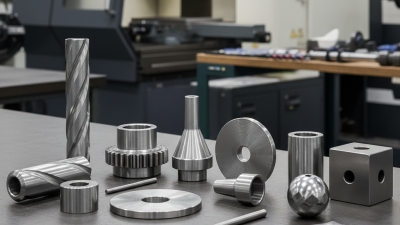
In the automotive industry, CNC (Computer Numerical Control) parts play a vital role in manufacturing. These parts enhance precision and efficiency in vehicle production. Commonly used parts include engine blocks, transmission housings, and axle components. Each of these plays a crucial role in vehicle operation and longevity.
Engine blocks are usually made from aluminum or iron. Their precision machining allows for better fuel efficiency and performance. Transmission housings benefit from CNC machining, ensuring accurate fit for various gears. This precision reduces wear and tear, extending the lifespan of the transmission system. Axle components undergo similar processes, improving strength and durability.
CNC machining is not flawless. It can encounter challenges like tool wear or programming errors. These issues can lead to defects, requiring further inspection and adjustment. Continuous improvement in techniques is essential. Striving for better quality must always be a priority. This industry must adapt to increasing demand while ensuring part reliability. In this ever-evolving landscape, the focus is on maintaining high standards and precision.
Comparative Analysis of Materials Used in CNC Automotive Parts
In the automotive industry, the materials chosen for CNC parts greatly impact performance and longevity. Aluminum is a popular choice due to its lightweight properties and good machinability. Reports show that aluminum accounts for nearly 25% of all CNC parts produced in the automotive sector. It offers an optimal balance between strength and weight, making it ideal for components like housings and brackets.
Steel is another critical material for CNC automotive parts. Its superior strength and durability make it suitable for high-stress applications like engine components and chassis parts. However, its heavier weight can pose challenges in terms of overall vehicle efficiency. Some manufacturers have started using advanced steel alloys to mitigate weight issues while maintaining strength, but these materials can be more expensive and require precise machining.
Plastic also plays a significant role in CNC machining for automotive applications. Often found in non-structural components, plastics provide excellent chemical resistance and design flexibility. However, they may lack the strength of metal parts, which raises concerns about their long-term viability in certain applications. The choice of materials is often a balancing act between cost, performance, and sustainability, reflecting the complexity of CNC machining in the automotive field.
Future Trends in CNC Machining for Automotive Manufacturing
The automotive industry is seeing a significant shift due to CNC machining advancements. According to a recent report by MarketsandMarkets, the CNC machine market is expected to reach $100 billion by 2026. This growth is largely driven by increased automation and the demand for precision in automotive manufacturing.
New technologies are emerging. For instance, additive manufacturing is being integrated with CNC processes. This hybrid approach allows for complex geometries that traditional methods struggle to achieve. Moreover, the use of artificial intelligence in CNC machining improves efficiency and precision, reducing waste. This will likely reshape automotive designs in the years to come.
However, challenges persist. Many manufacturers face difficulties in training their workforce on new technologies. There's also a need for standardization across various CNC systems. Continuous adaptation is crucial. Automotive companies must remain agile to leverage these trends effectively. Embracing innovation while addressing these hurdles will define their success in the competitive landscape.