How to Source High Quality Grinding Precision Parts?
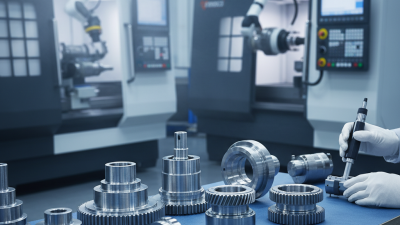
Sourcing high-quality grinding precision parts is a critical process in manufacturing. These parts are essential for various applications, including aerospace and automotive industries. Their precision impacts overall product performance and reliability.
Finding reputable suppliers is not easy. Many companies claim to provide high-quality grinding precision parts, yet the results can vary significantly. Some may offer low-cost options that sacrifice quality. Others might promise high standards but fail to deliver on time. It’s crucial to conduct thorough research before committing.
Investing time in understanding materials, tolerances, and machining processes can yield better results. Engaging with experienced industry professionals can also enhance your knowledge. Always seek feedback from previous clients about their experiences. This can point you toward reliable sources. Ultimately, the pursuit of high-quality grinding precision parts requires diligence and a willingness to learn.
Identifying Key Specifications for Precision Grinding Parts
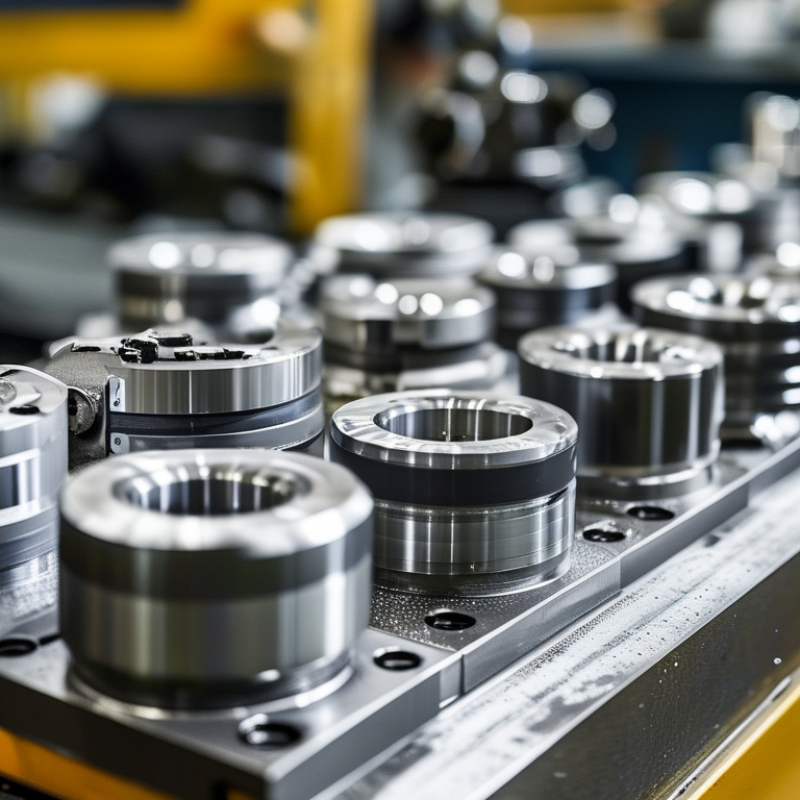
When sourcing high-quality precision grinding parts, it's essential to identify key specifications early in the process. Material selection plays a crucial role. Different materials, such as steel, aluminum, and composite alloys, offer varying properties that impact grinding performance. Understanding the hardness and wear resistance of these materials can help you match them to your specific needs.
Dimensions and tolerances must be clearly defined. Precision grinding often requires tight tolerances, sometimes as low as a few microns. Consider the part's final application. This context will guide the selection of tolerances that are not only achievable but also practical. Take note: overspecifying can lead to unnecessary production costs.
Additionally, surface finish is another critical specification. A smoother finish typically results in better performance but may require additional processes. Evaluate the trade-offs between finish quality and production efficiency. Regular feedback from manufacturers can reveal insights into potential issues. This can foster a more reliable sourcing process. Recognize that not every specification may be achievable, and flexibility can sometimes lead to innovative solutions. Keep an open mind; reevaluation may be necessary as new challenges arise.
Evaluating Potential Suppliers for Quality Assurance
When sourcing high-quality grinding precision parts, evaluating potential suppliers is crucial for ensuring quality assurance. A significant factor is the supplier's ability to provide consistent specifications. According to a 2022 Precision Manufacturing Report, 72% of buyers consider supplier quality documentation essential. This includes certifications, inspection reports, and compliance with industry standards.
Tip: Always request sample parts before placing large orders. This allows you to evaluate the machining quality firsthand and identify any deviations from your specifications.
Moreover, consider the supplier's experience and reputation in the industry. A supplier with over ten years in precision grinding tends to have established processes. 65% of industry leaders believe that longevity correlates with reliability. However, do not overlook newer suppliers who may bring innovative approaches and technologies.
Tip: Ask for references from past clients. This can ensure that the supplier has demonstrated consistency in delivering quality parts. Engage directly with these references to gauge their satisfaction level.
Assessing potential suppliers thoroughly is not just about meeting specifications. It requires a blend of technical understanding and real-world experiences. Quality assurance is a continuous journey, not merely a destination.
Assessing Material Types and Their Impact on Performance
Material selection plays a crucial role in the performance of grinding precision parts. Different materials can significantly affect durability, wear resistance, and overall machining efficiency. According to a study by the American Society of Mechanical Engineers, materials such as high-speed steel and carbide exhibit varying toughness and hardness, which directly impact grinding performance.
In recent surveys, it was found that over 70% of manufacturers faced issues related to material degradation in high-stress environments. This highlights the importance of selecting the right material. For instance, stainless steel parts often show better corrosion resistance. However, they may not be the best choice for high-wear applications compared to carbide.
The choice of material also influences tool life. Industry data indicate that using optimal materials can extend tool life by up to 30%. Yet, many manufacturers remain unaware of the specific material benefits available to them. Missteps in material selection can lead to higher costs and unsatisfactory performance. Addressing these gaps in knowledge is essential for achieving superior grinding outcomes.
Implementing Quality Control Measures in the Sourcing Process
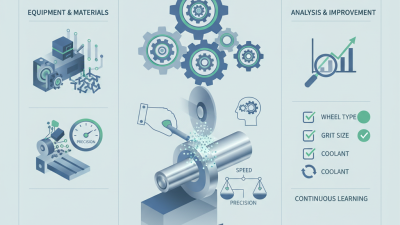
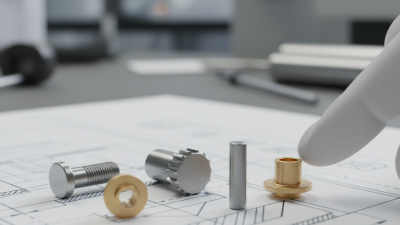
Implementing quality control measures in the sourcing process is crucial for obtaining high-quality grinding precision parts. One effective strategy is to establish clear specifications and standards for each component. Suppliers should be provided with detailed drawings and requirements. This eliminates ambiguity and sets a foundation for consistent quality. Regular communication with suppliers helps address misunderstandings early.
Another essential measure involves conducting regular audits and inspections. On-site evaluations of suppliers can reveal their adherence to quality standards. Spot checks during production can catch potential defects before parts are shipped. Investing time in training suppliers on your quality expectations can also enhance their understanding of your needs.
It’s important to measure the effectiveness of these quality control measures. Analyzing defect rates and customer feedback provides insights into areas needing improvement. Sometimes, unexpected issues arise despite strict protocols. This necessitates a willingness to adapt and refine processes. Identifying patterns in defects can inform future sourcing strategies. Embracing a continuous improvement mindset fosters long-term reliability in the sourcing process.
Quality Control Measures in Sourcing High Quality Grinding Precision Parts
Understanding Industry Standards and Certifications for Precision Parts
When sourcing high-quality grinding precision parts, understanding industry standards and certifications is crucial. These standards ensure that the parts meet specific quality requirements. Various organizations set these benchmarks, focusing on aspects like dimensional accuracy and durability. Familiarizing yourself with certifications such as ISO 9001 and AS9100 can help in selecting reliable suppliers.
Not all suppliers adhere to the same rigorous standards. Some may boast certifications but lack practical quality assurance. It’s essential to verify the legitimacy of these claims. Ask for documentation and previous client references. This adds credibility and builds trust. Sometimes, companies overlook this step, leading to subpar parts that can affect overall production.
Emphasizing quality control processes is vital. Regular audits and inspections can uncover potential issues before components are delivered. This proactive approach avoids costly mistakes down the line. Inevitably, some aspects may not meet expectations. Continuous improvement and open communication with suppliers are key. Embrace feedback to refine sourcing practices in the future.