In the rapidly evolving landscape of technology, semiconductor CNC machining plays a crucial role in manufacturing precision components. China has emerged as a powerhouse in this field, housing some of the most innovative companies offering advanced machining services. These firms specialize in the intricate processes necessary for semiconductor production, utilizing cutting-edge technology and highly skilled professionals.
The demand for semiconductor CNC machining is soaring due to the rise of electronics and digital devices. Companies are continually striving to meet the needs of industries such as automotive, telecommunications, and consumer electronics. Identifying the top firms in this sector reveals not only their capabilities but also highlights their influence on global supply chains. However, maintaining leadership in such a competitive market requires constant adaptation and innovation.
While many companies excel, some face challenges in quality control and scalability. This can lead to inconsistencies in product output, hindering overall reliability. Nevertheless, the commitment to improvement keeps these companies at the forefront, showcasing resilience and a willingness to learn. Understanding these aspects is essential for anyone looking to navigate the semiconductor CNC machining landscape effectively.

The semiconductor CNC machining industry in China plays a pivotal role in global technology supply chains. This sector saw a rapid growth of 15% in revenue last year, driven by the rising demand for high-precision components. The importance of advanced fabrication techniques cannot be overstated, as chips become smaller and more complex. According to a recent report, the market is expected to reach $7 billion by 2025, indicating a robust future.
However, challenges remain. The production capabilities in China still lag behind those in countries with established semiconductor sectors. Issues like the shortage of skilled workers and quality control pose significant hurdles. Data shows that up to 30% of machined components do not meet international standards. This highlights a pressing need for investment in training and innovation.
Moreover, the environmental impact of CNC machining should not be ignored. The industry generates significant waste, raising sustainability concerns. While efforts are underway to implement cleaner technologies, the transition is slow. Addressing these issues is essential for enhancing China's competitiveness in the semiconductor market.
| Rank | Company Size | Annual Revenue (Million USD) | Number of Employees | Market Share (%) |
|---|---|---|---|---|
| 1 | Large | 500 | 1000+ | 25% |
| 2 | Medium | 300 | 500+ | 18% |
| 3 | Large | 450 | 800+ | 20% |
| 4 | Medium | 200 | 400+ | 15% |
| 5 | Small | 150 | 200+ | 10% |
| 6 | Medium | 250 | 350+ | 12% |
| 7 | Large | 600 | 1200+ | 30% |
| 8 | Small | 100 | 150+ | 5% |
| 9 | Medium | 350 | 700+ | 17% |
| 10 | Large | 700 | 1400+ | 35% |

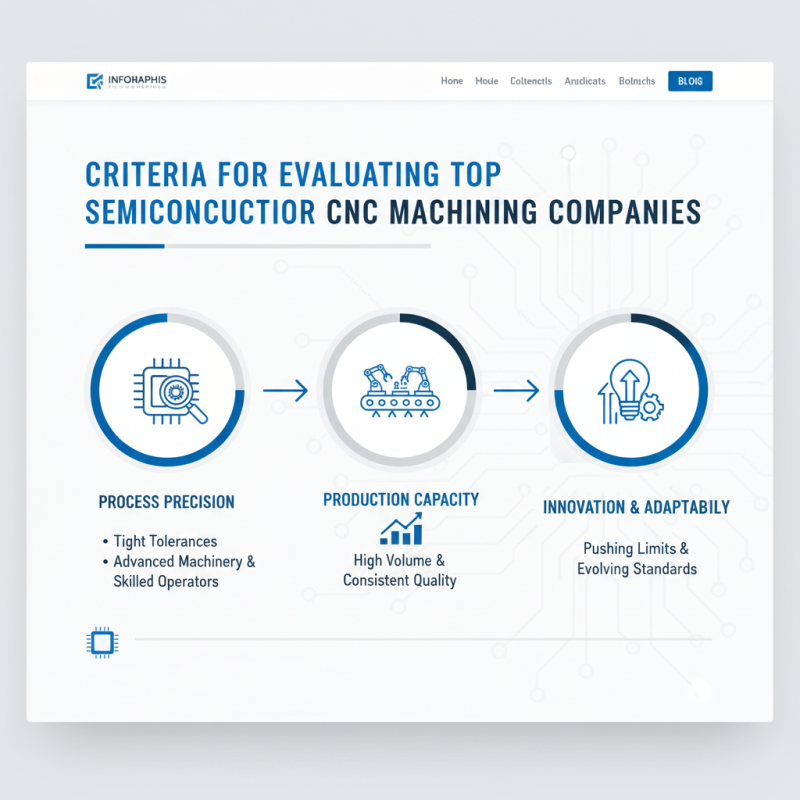
Evaluating semiconductor CNC machining companies requires a keen understanding of several factors. Process precision is critical. Companies must achieve tight tolerances to meet strict semiconductor standards. This involves advanced machinery and skilled operators. Production capacity also plays a vital role. Companies need to handle high volume while maintaining quality consistency. In an industry constantly pushing limits, this is no easy task.
Expertise in materials is another key criterion. Semiconductor machining involves various materials like silicon and compounds. Companies must know how to work with each material's unique properties. Temperature control and cleanliness are essential. Even minor contaminants can ruin delicate semiconductor components. It's surprising how many companies overlook this aspect.
Customer support and service can significantly influence company performance. A responsive support team can address issues quickly. This builds trust and fosters long-term partnerships. However, some companies still struggle to provide adequate service. They may seem strong on the surface but lack follow-through. Evaluating these factors carefully can help identify the top players in the semiconductor CNC machining sector.
In the rapidly evolving semiconductor industry, efficient CNC machining companies are crucial. These companies play a significant role in producing components with high precision. Many factors distinguish the leading firms in this field, such as technological capabilities, workforce expertise, and production efficiency.
An essential aspect is the continuous investment in advanced machining technologies. This allows companies to meet the stringent quality standards of the semiconductor sector. Some firms have adopted innovative materials and techniques, enhancing their competitive edge. However, not all companies adapt at the same pace. A few struggle to keep up with changing industry demands. These challenges can lead to missed opportunities for growth.
Collaboration with tech partners can be a double-edged sword. While it may foster innovation, it can also create dependency risks. Companies should carefully evaluate their partnerships. Balanced strategies are key to sustaining progress in the CNC machining landscape. Engaging talented engineers is equally vital. Companies must ensure robust training programs to enhance skills and retain top talent.
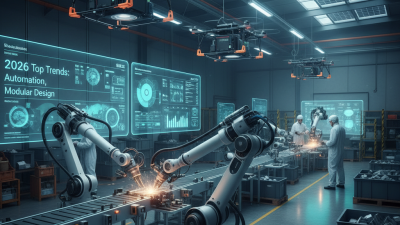
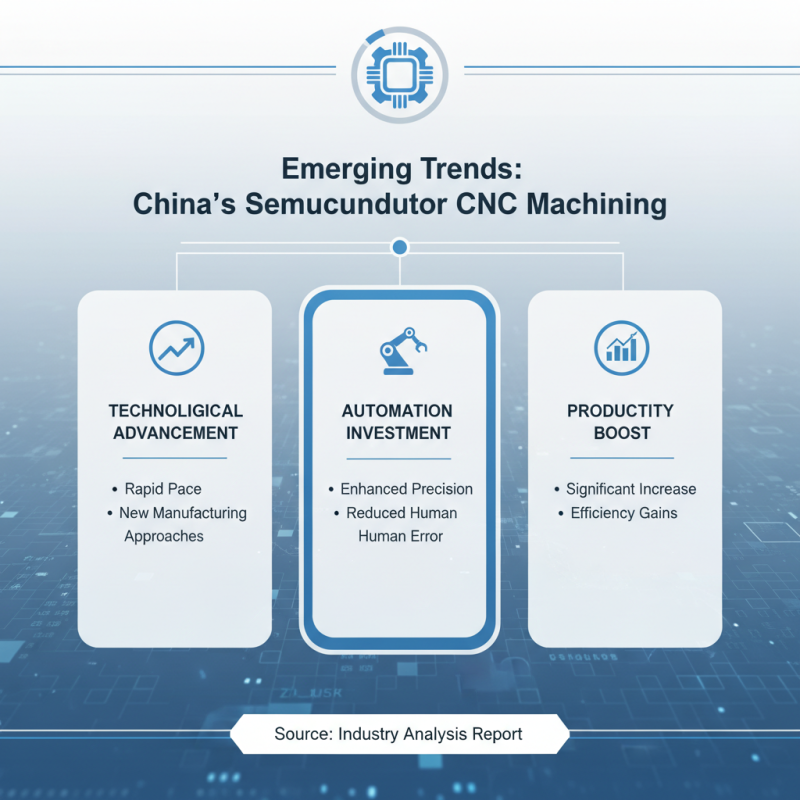
China's semiconductor CNC machining sector is experiencing powerful shifts. The rapid pace of technological advancement is reshaping how companies approach manufacturing. Many firms are investing in automation to enhance precision. This trend reduces human error and boosts productivity significantly.
Integration of AI and machine learning is another emerging trend. Machines analyze data in real-time. This leads to better decision-making in production processes. However, this reliance on technology raises questions. Are workers becoming too dependent on machines? Can their skills match the evolving demands?
Sustainability is gaining focus as well. Companies are exploring eco-friendly materials and processes. This shift demonstrates a commitment to the environment. Yet, some industries struggle with implementing sustainable practices. The road ahead requires careful evaluation and adaptation. Balancing innovation with responsibility is crucial for future success.
China's semiconductor CNC machining sector is poised for remarkable growth. The nation has invested heavily in advanced manufacturing technologies. This focus enhances production efficiency while ensuring high precision in semiconductor components. Notably, the demand for these components continues to surge, driven by the rise of AI, IoT, and 5G technology.
While there are many strong players, the road ahead is not without challenges. The rapid evolution of technology can outpace skill development in the workforce. Companies must adapt by fostering continuous learning and innovation. Moreover, supply chain stability remains a concern, especially given global economic uncertainties.
R&D investments are crucial for future success. As market dynamics shift, adapting to consumer needs is vital. Emerging trends suggest a growing emphasis on sustainable practices. These can help address both environmental concerns and operational efficiencies. Balancing innovation with sustainability will define the future of semiconductor CNC machining in China.