2026 Top Trends in Fixture Manufacturing Industry Insights and Predictions?
The fixture manufacturing industry is at a critical juncture as we approach 2026. Emerging technologies and changing consumer demands reshape production processes and product design. Innovations in automation and sustainability are no longer optional; they are essential. Companies must adapt quickly to remain competitive in this ever-evolving landscape.
Fixture manufacturing faces challenges. The pressure to reduce costs while improving quality complicates operations. Companies often struggle with maintaining efficiency without sacrificing durability. Investing in new technologies can be daunting, yet it may be necessary for survival. As the market shifts, businesses need to reflect on their current practices and identify areas for improvement.
Understanding the upcoming trends is crucial. Companies must anticipate shifts in materials and production techniques. Embracing these changes can lead to new opportunities. However, hesitation can lead to lost potential. The future of the fixture manufacturing industry rests on the ability to innovate and adapt, keeping pace with industry advancements and consumer expectations.
Key Innovations Shaping the Fixture Manufacturing Landscape in 2026
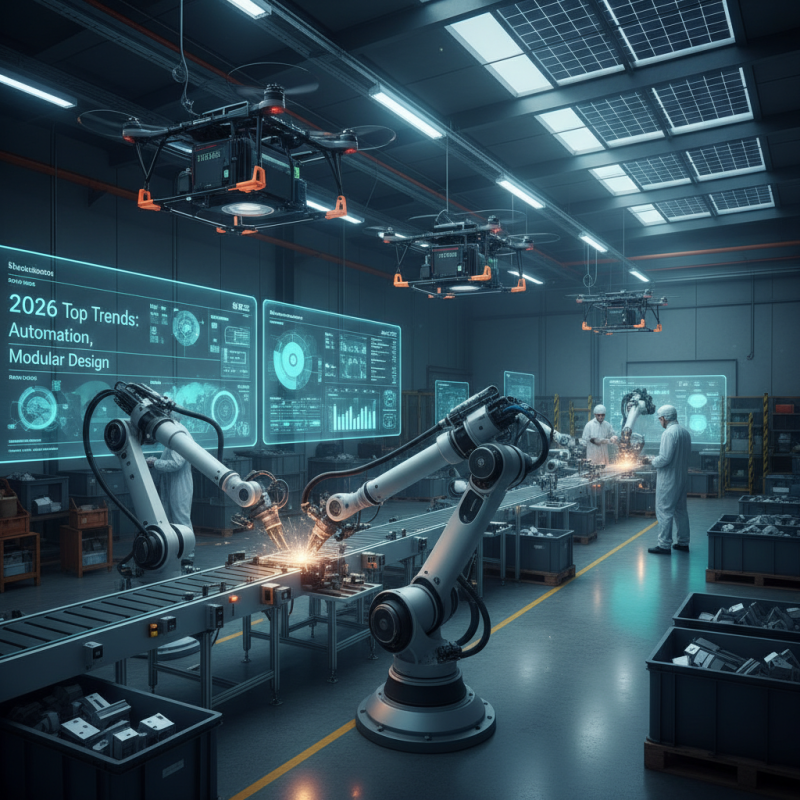
The fixture manufacturing landscape is evolving rapidly. In 2026, key innovations are set to reshape the industry. Automation technology is at the forefront. Advanced robotics streamline production processes. Smart fixtures equipped with sensors enhance performance. These innovations promise increased efficiency and reduced waste.
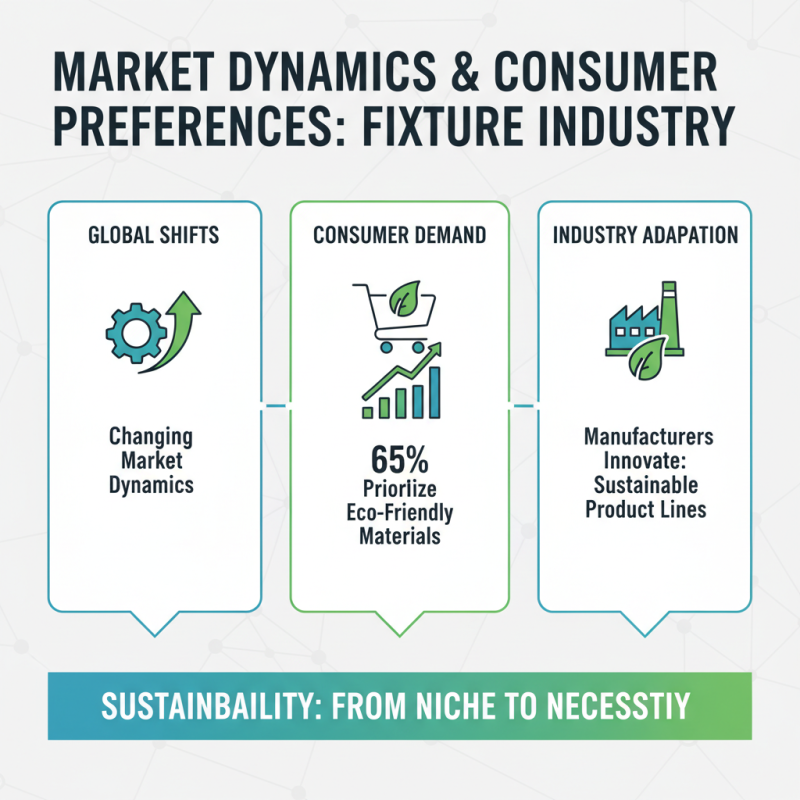
Sustainability remains a critical focus. Manufacturers are exploring eco-friendly materials. Biodegradable options are increasingly favored. This shift reflects consumer demand for greener products. However, challenges exist. Integrating new materials can be complex. Not all companies are prepared for this transition.
Collaboration will play a vital role. Industry experts stress the importance of partnerships. Sharing knowledge fosters innovation. Yet, not every organization embraces this approach. Resistance to change can hinder progress. Adapting to these trends is essential for future success.
2026 Top Trends in Fixture Manufacturing Industry Insights and Predictions
| Trend |
Description |
Impact |
Predicted Adoption Rate (%) |
| Sustainability Practices |
Increased focus on eco-friendly materials and processes. |
Reduces environmental impact and meets consumer demand for sustainability. |
75% |
| Smart Fixtures |
Integration of IoT technology in fixtures for enhanced functionality. |
Improves efficiency and user experience in various applications. |
60% |
| Customization Trends |
Growing demand for customized fixtures to meet specific client needs. |
Enhances customer satisfaction and establishes competitive advantage. |
70% |
| Automation in Production |
Increased reliance on automation for manufacturing processes. |
Improves efficiency and reduces labor costs. |
65% |
| 3D Printing |
Use of 3D printing technology for rapid prototyping and production. |
Speeds up the design process and increases innovation. |
50% |
Emerging Materials and Technologies in Fixture Production
The fixture manufacturing industry is witnessing significant changes. Emerging materials and technologies are shaping its future. Companies are exploring advanced composites. These materials offer lightweight properties and high strength. As a result, the industry can reduce production costs while improving durability.
3D printing technology is another key player. It allows for rapid prototyping and customization of fixtures. This shift leads to shorter lead times in production. However, there are challenges in quality assurance. Companies must ensure that printed materials meet industry standards. Navigating these new technologies requires expertise and careful integration.
Tips: Consider investing in training for your workforce. Understanding these new materials and technologies can enhance efficiency. Engage with experts in the field to stay ahead of trends. Regularly review your production processes, as innovation requires adaptability. Embrace the potential for improvement, but also recognize the learning curve involved.
Sustainability Trends Driving Change in Fixture Manufacturing
Sustainability is reshaping the fixture manufacturing industry. The push for eco-friendly practices is now evident in every phase of production. Manufacturers are adopting sustainable materials. This change not only reduces waste but also complements a growing consumer demand for greener products.
Innovation plays a key role in these efforts. Companies are exploring new technologies to minimize their carbon footprint. For instance, some use advanced recycling methods to repurpose materials. However, challenges remain in fully implementing these practices. Many manufacturers face the difficulty of sourcing sustainable materials at scale.
The industry must also reflect on its energy consumption. Transitioning to renewable energy sources is essential, yet it poses logistical hurdles. A significant portion of the industry still relies on conventional energy. This reliance complicates the journey toward comprehensive sustainability. Addressing these issues is critical for leaders in the fixture manufacturing sector.
2026 Top Trends in Fixture Manufacturing Industry Insights and Predictions
Impact of Automation and Industry 4.0 on Fixture Design and Production
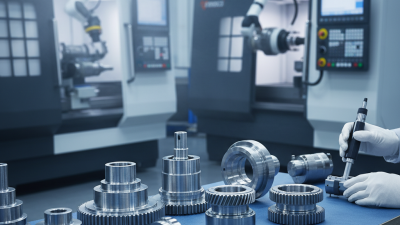
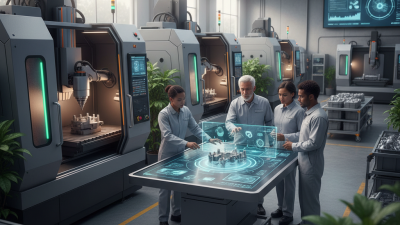
The advent of automation and Industry 4.0 profoundly shapes the fixture manufacturing landscape. Smart technologies enhance precision in fixture design. This precision reduces human error and increases reliability. Automation allows for the optimization of production processes. Machines now complete tasks once reserved for skilled workers. As a result, manufacturers can produce high-quality fixtures at scale.
However, this shift isn't without challenges. Implementing automation requires significant investment and training. Many companies struggle with integrating new technologies into existing workflows. There is also a risk of over-reliance on machines. While they improve efficiency, human oversight remains crucial for creativity and problem-solving.
The impact of these trends highlights the need for continuous learning in the industry. Professionals must adapt to new tools and systems. A balance between technology and human skill is vital. Embracing this dual approach can lead to innovative solutions in fixture design and production. The journey forward is complex, demanding both expertise and flexibility.