In the competitive landscape of manufacturing, precision is paramount. According to John Smith, a leading expert in the Precision Machining industry, "The key to success lies in mastering the art of precision." His insights resonate deeply within the community. Precision Machining is not just a practice; it's a craft that demands dedication and skill.
Understanding various techniques can drastically enhance production efficiency. Companies often overlook the importance of precision in their workflow. Investing in refined methods can yield significant returns. As industries evolve, so must the strategies employed for machining. Embracing innovation is crucial.
Despite advancements, challenges remain. Many businesses struggle with consistency in their precision machining processes. The quest for perfection is ongoing, and learning from mistakes is essential. By exploring the top techniques, manufacturers can identify areas for improvement. Boosting production requires a balanced approach, blending experience with cutting-edge techniques.
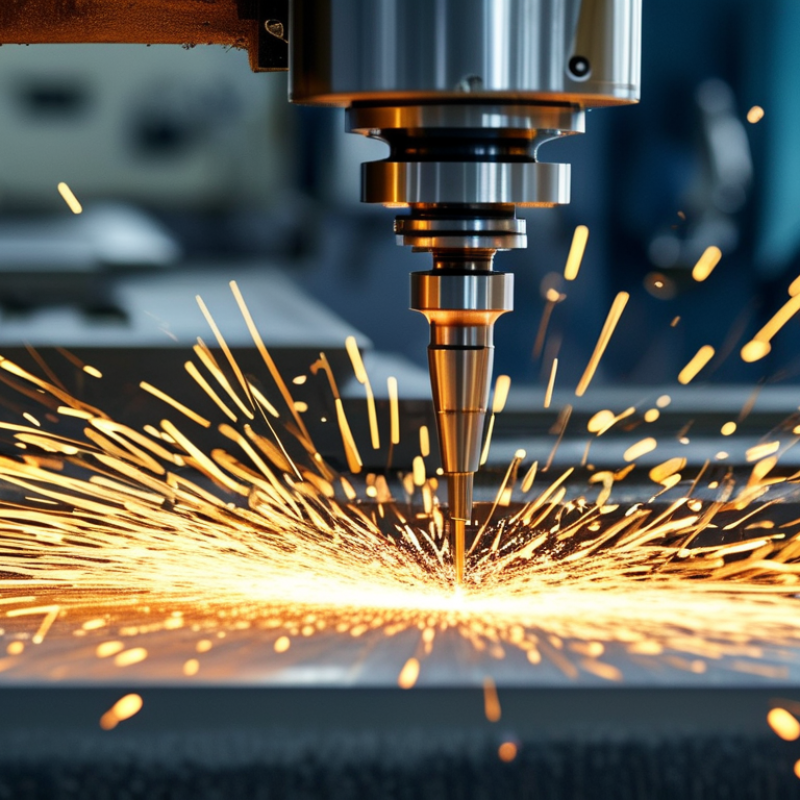
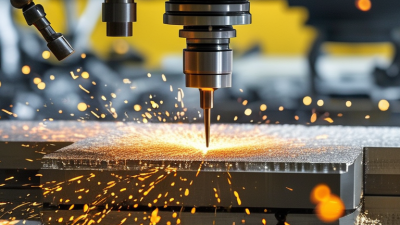
Precision machining plays a pivotal role in modern manufacturing. It enables the production of complex parts with high accuracy and repeatability. By utilizing techniques such as CNC machining, manufacturers can create intricate designs that traditional methods cannot achieve. This technology relies on computer numerical control to automate machine tools, enhancing efficiency while reducing human error.
Another critical technique is electrical discharge machining (EDM). This process uses electrical discharges to shape conductive materials. It's ideal for materials that are hard to machine. However, it can be slow and may require extensive finishing. Understanding the trade-offs involved in these processes is essential for optimizing production.
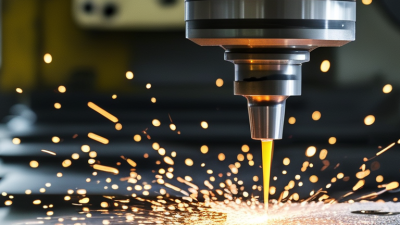
Laser machining is also becoming increasingly popular. It offers versatility in cutting, engraving, and marking materials. The precision it provides can reduce waste and minimize the need for post-processing. Yet, it’s important to factor in costs when choosing this method. Each technique presents unique advantages and challenges that require careful consideration for effective implementation in manufacturing operations.
Precision in machining processes is crucial for achieving high-quality outcomes. It directly impacts production efficiency and product reliability. When tolerances are tight, even a small error can lead to significant issues. For instance, an imprecise cut can waste materials and time. It can also undermine a product's integrity.
Investing in precise machining techniques can enhance consistency and reduce defect rates. Techniques such as CNC machining and EDM are game changers in this regard. However, not every operation can leverage the latest technology. Many facilities operate with outdated machinery. This reliance on older methods can create bottlenecks. It calls for a thoughtful evaluation of existing processes and tools.
Moreover, training personnel is vital. Skilled operators are more capable of identifying potential errors. They can adjust settings on the fly to maintain precision. A lack of expertise can lead to oversights. Remodeling operations around precision can be met with resistance. Embracing a culture of accuracy is essential for long-term growth. But it requires commitment and time. Building this foundation can ultimately result in a more reliable production line.
| Technique | Description | Applications | Benefits |
|---|---|---|---|
| CNC Machining | Computer Numerical Control machining for precision and efficiency. | Aerospace, Automotive, Medical Devices | High precision and repeatability. |
| EDM (Electrical Discharge Machining) | Uses electrical discharges to remove material. | Tool and Die Making, Aerospace Components | Can machine hard metals with fine finishes. |
| Laser Cutting | Using lasers to cut materials with high precision. | Sheet Metal Fabrication, Aerospace Parts | Minimal heat affected zone and high accuracy. |
| Waterjet Cutting | Uses high-pressured water to cut materials. | Stone, Glass, Composite Materials | No thermal distortion, able to cut thick materials. |
| Turning | Rotating a workpiece against a cutting tool. | Shafts, Bolts, Cylindrical Parts | Good surface finish and dimensional accuracy. |
| Milling | Using rotating cutters to remove material from a workpiece. | Aircraft Components, Custom Parts | Versatile, can produce complex shapes. |
| Grinding | A finishing process using an abrasive wheel. | Bearing Fits, Valve Components | Achieves very tight tolerances and smooth finishes. |
| Welding | Joining materials, typically metals or thermoset plastics, using high heat. | Structural Components, Frame Assemblies | Strong joins, versatile material compatibility. |
| Bromate Sand Casting | Casting process using a sand mold to form shaping of metal parts. | Heavy Equipment, Engine Blocks | Cost-effective for large and complex geometries. |
| 3D Printing | Additive manufacturing for creating complex shapes using layers. | Prototyping, Aerospace, Medical Devices | Flexibility in design, reduces waste. |
Precision machining plays a crucial role in enhancing production efficiency. Techniques in this field are continually evolving, driven by technological advancements. According to a report by the International Federation of Robotics, the global industrial robotics market is projected to grow by 12% annually until 2025. Efficient use of these robotics in machining environments can drastically reduce cycle times.
Implementing computer numerical control (CNC) systems is one of the key techniques. CNC machines provide incredible accuracy and repeatability, which can lead to significant reductions in waste material. A study published in the Journal of Manufacturing Processes found that companies implementing CNC technology experienced up to a 30% increase in output. However, training workers on such advanced systems often requires time and resources, and not all businesses are prepared for this.
Another valuable practice is the adoption of lean manufacturing principles. By minimizing non-value-adding activities, companies can streamline operations. Research from the Massachusetts Institute of Technology indicates that organizations applying lean methods can boost productivity by 20% or more. Yet, businesses may struggle to identify what defines value in their processes. Regular audits and feedback are essential for continuous improvement in this area.
Technological advancements have reshaped precision machining significantly. For instance, the global precision machining market is expected to reach $255 billion by 2024, according to a recent industry report. Techniques such as additive manufacturing and CNC automation enhance precision while reducing production costs. These methods can produce complex geometries and tight tolerances that were once difficult to achieve.
Incorporating real-time data analytics can also optimize machining processes. By analyzing performance metrics, manufacturers can identify inefficiencies. One study noted that companies using IoT devices reported up to a 30% increase in productivity. However, not all businesses leverage these technologies effectively. A lack of training can hinder the full potential of advanced tools.
Tips:
Precision machining plays a vital role in modern manufacturing. Techniques like CNC machining have transformed production metrics. A report from the National Institute of Standards and Technology (NIST) emphasizes that companies using precision machining see productivity increases of up to 30%. This boost is attributed to reduced waste and higher accuracy in parts manufacturing.
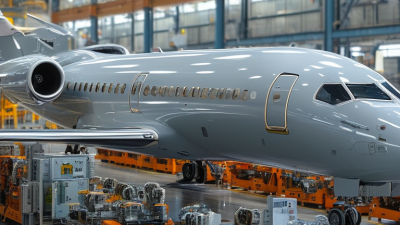
A case study from a leading aerospace company illustrates the practical application of these techniques. They adopted multi-axis milling to enhance component complexity. This enabled them to produce intricate designs that were previously impossible with traditional methods. Clients reported a 25% reduction in lead time after implementation. However, the transition required significant staff retraining and equipment upgrades, highlighting the challenges technicians face.
Another example can be found in the automotive industry. Implementation of precision turning operations allowed for tighter tolerances in engine components. Data from a recent industry survey revealed that 60% of manufacturers noted improved product reliability post-adoption. Yet, organizations must navigate the costs, as initial investments in advanced machinery can be high. The balance between immediate costs and long-term gains requires careful consideration.