Top Fixture Manufacturing Trends You Should Know?
In the ever-evolving world of fixture manufacturing, staying informed about current trends is crucial. The industry is embracing advanced technologies and sustainability practices. It’s not just about producing fixtures anymore; it’s about innovating them to meet modern demands.
One significant trend is the integration of automation in fixture manufacturing. This enhances precision and efficiency. Meanwhile, the focus on sustainable materials is growing. Companies are exploring eco-friendly options, reflecting a commitment to the environment. Yet, the path to sustainable manufacturing is filled with challenges and reflections on industry practices.
Additionally, customization is becoming vital. Clients seek unique solutions tailored to their specific needs. This trend demands adaptability and innovation. Fixture manufacturing must balance standardization with individuality. As the landscape changes, staying aware of these trends will define success in the future.
Emerging Technologies in Fixture Manufacturing
Emerging technologies are transforming fixture manufacturing. Additive manufacturing, or 3D printing, leads the way. It's not just about prototyping anymore. According to a 2023 industry report, 52% of manufacturers adopted 3D printing for end-use parts. This technology reduces waste and allows for intricate designs that traditional methods cannot achieve.
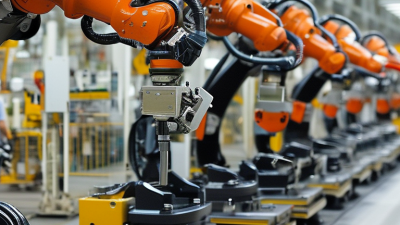
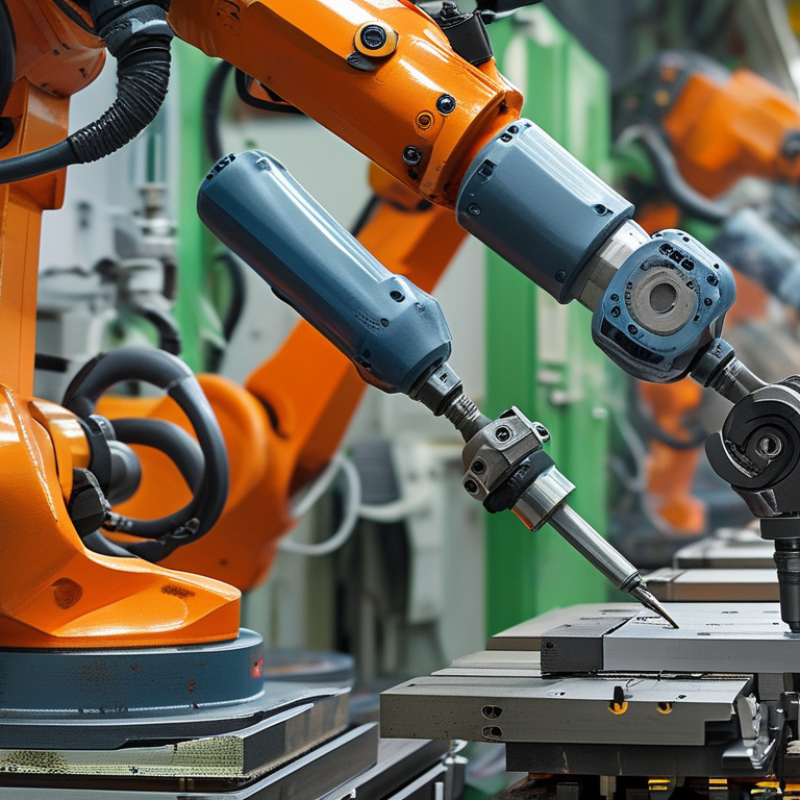
Another significant trend is automation. Advanced robotics streamline assembly processes. Data shows that automation can reduce labor costs by up to 30%. However, this shift raises concerns about job displacement. A well-rounded strategy is essential to balance efficiency with workforce needs.
Artificial intelligence also plays a role in fixture manufacturing. AI systems analyze data to optimize designs and predict failures. However, the reliance on AI may not always produce flawless results. Manufacturers must stay vigilant and verify AI outputs to avoid costly mistakes. This evolving landscape presents both opportunities and challenges in fixture manufacturing.
Sustainability Practices in Fixture Production
Sustainability has become a pivotal focus in fixture manufacturing. Recent studies indicate that 77% of consumers prefer eco-friendly products. This shift drives companies to adopt sustainable practices. For instance, many manufacturers are now incorporating recycled materials into their production processes. This not only reduces waste but also lowers production costs in the long run.
Energy efficiency plays a critical role as well. A report by the International Energy Agency shows that improving energy efficiency can lead to a 40% reduction in energy consumption in manufacturing. Employing renewable energy sources is another trend on the rise. Solar and wind power installations are increasingly seen in production facilities. This transition can significantly lower greenhouse gas emissions.
Companies should regularly evaluate their sustainability strategies. Just replacing materials isn’t enough. It’s essential to assess the entire supply chain. Engage with suppliers who also prioritize sustainable practices. This holistic approach can enhance a company’s reputation and build customer loyalty. Making incremental changes can feel daunting, but small steps add up over time. Each effort counts toward a more sustainable future in fixture manufacturing.
Customization Trends in Industrial Fixtures
Customization in industrial fixtures is becoming a major trend. Recent data indicates that over 70% of manufacturers are prioritizing customization to meet client demands. Companies are seeking tailored solutions to enhance efficiency and productivity. This shift emphasizes the need for flexibility in design and production processes.
Advanced manufacturing technologies are enabling this trend. 3D printing, for instance, allows for rapid prototyping and scalability. This technology reduces lead times significantly. Thus, businesses can adapt faster to market demands. Moreover, customized fixtures can lead to better integration of automation systems.
However, there are challenges. Many companies still rely on standardized fixtures, which may not fully optimize operational workflows. Data shows that only 30% of firms have fully embraced customization. This gap highlights a potential area for improvement. Companies must evaluate their current strategies to ensure they are not left behind in this evolving landscape.
Top Fixture Manufacturing Trends You Should Know - Customization Trends in Industrial Fixtures
| Dimension |
Trend |
Impact |
Example Technologies |
| Customization |
Increased demand for tailored solutions |
Higher customer satisfaction and retention |
3D Printing, CNC Machining |
| Automation |
Integration of automated processes |
Increased efficiency and reduced labor costs |
Robotics, IoT Sensors |
| Sustainability |
Focus on eco-friendly materials |
Enhances brand image and reduces waste |
Biodegradable materials, Recycled metals |
| Digitalization |
Use of digital tools for design |
Faster iterative development |
CAD software, Simulation tools |
| Modularity |
Shift towards modular designs |
Flexibility and cost-effectiveness in production |
Interchangeable components, Quick assembly |
Impact of Automation on Fixture Manufacturing Processes
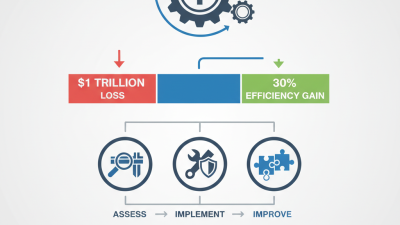
The impact of automation on fixture manufacturing processes is profound. Reports indicate that automation can improve production efficiency by up to 30%. This signifies a major shift in the industry as manufacturers increasingly embrace technology. For instance, robotics can streamline assembly and reduce manual labor requirements. Such advancements help in minimizing human error, a common issue in traditional processes.
Moreover, data from industry studies show that companies adopting automated solutions experience a notable decline in production time. Faster cycles mean quicker turnaround and higher output. Yet, while automation is beneficial, there are challenges. Implementing new technologies can be costly and requires workforce retraining. The transition may create temporary disruptions. Keeping a balance between automation and skilled labor is essential for sustainable growth.
As fixture manufacturing evolves, continuous adaptation becomes crucial. Many companies may face resistance to change, which can hinder progress. Embracing automation should be a strategic decision. It demands clear communication of its benefits to the workforce. The future of fixture manufacturing is tied closely to these technological advancements, shaping its trajectory for years to come.
Future Outlook for Fixture Manufacturing Innovations
The fixture manufacturing industry is evolving rapidly. Innovations are shaping the future of production processes and how fixtures are utilized. Automation is one key trend. Automated systems are enhancing efficiency, but there are challenges. Far too often, companies rush into adoption without proper training. As a result, productivity gains may falter.
Additive manufacturing, or 3D printing, also plays a significant role. This technology allows for complex designs that were once impossible. Still, not every business is equipped to fully leverage these capabilities. There’s a learning curve that can deter smaller manufacturers from diving in. Moreover, sustainability is a pressing concern. The push for eco-friendly materials is growing, but sourcing remains a challenge for many.
Collaboration between designers and manufacturers is crucial. This partnership can foster innovative solutions and address the industry's shortcomings. However, communication barriers often hinder progress. Bridging this gap could lead to more streamlined processes and greater product quality. Addressing these complexities thoughtfully will define the future of fixture manufacturing.