Top Tips for Sourcing Precision Turning Parts Effectively?
In the competitive landscape of manufacturing, sourcing Precision Turning Parts is a critical endeavor. According to John Smith, an industry expert with over 20 years of experience, "Finding the right suppliers is essential for achieving precision and quality." His insight emphasizes the importance of selecting reliable sources for these specialized components.
Precision Turning Parts are integral to various industries, including automotive and aerospace. They require meticulous attention to detail and high-quality materials. Manufacturers often face challenges in ensuring their parts meet stringent specifications. It's not just about cost; it’s also about building relationships with trustworthy suppliers. This relationship can make or break production efficiency.
In today's market, many companies struggle with inconsistency in part quality. This calls for a reflective approach to sourcing. Assessment of suppliers should include their capability to deliver precision consistently. A focus on these elements can lead to successful outcomes in sourcing Precision Turning Parts. It demands time, research, and continuous improvement in processes, but the results are worth the effort.
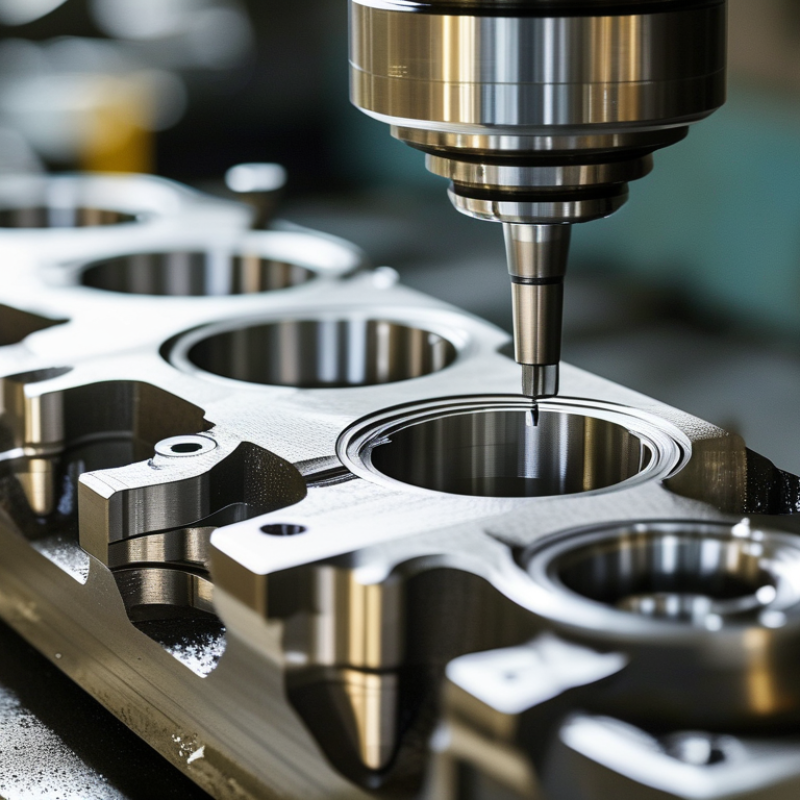
Understanding the Importance of Precision Turning Parts in Manufacturing
Precision turning parts are crucial in modern manufacturing. These components ensure that products meet strict tolerances and performance standards. The accuracy in these parts leads to higher efficiency and reduced waste. When companies prioritize precision turning, they can enhance product quality significantly.
Understanding the subtle nuances of sourcing these parts is vital. A small error can lead to product failure. This risk underlines the need for reliable suppliers who focus on quality. Considering factors like material choices, machining technology, and inspection methods can help mitigate risks. However, not all vendors meet these standards, and inconsistency can lead to serious setbacks.
Trusting a single supplier may seem convenient, but it could limit options. Diversifying sources allows for better evaluations of quality and pricing. Companies should remain adaptable and ready to explore new vendors. Relying solely on established relationships might inhibit innovation. Selecting the right sourcing strategy demands ongoing reflection and a willingness to reassess existing partnerships.
Top Tips for Sourcing Precision Turning Parts Effectively
| Attribute |
Importance |
Considerations |
Recommended Practices |
| Material Selection |
High |
Durability, corrosion resistance |
Choose based on application requirements |
| Tolerances |
Critical |
Precision fit for assembly |
Specify exact tolerances in RFQ |
| Surface Finish |
Moderate |
Impact on performance |
Define finish standards clearly |
| Supplier Reputation |
High |
Quality assurance |
Review client testimonials and case studies |
| Cost Efficiency |
Moderate |
Budget adherence |
Request multiple quotes for comparison |
Identifying the Right Suppliers for Precision Turning Components
Finding the right suppliers for precision turning parts is crucial.
Look for manufacturers with a solid track record.
Experience in producing high-quality components reflects their capability.
Research their production methods, quality control processes, and customer feedback.
Suppliers should have a transparent approach to their operations.
Evaluate their certifications and industry standards.
This can indicate a commitment to quality and reliability.
Strong communication is also vital.
Suppliers should be responsive and open to questions.
A lack of clarity may raise red flags.
Consider visiting their facilities if possible.
Seeing the production process offers insights into their expertise.
Assessing their machinery can reveal their technological capabilities.
Remember, the best choice may not always be the most well-known supplier.
Sometimes, smaller companies can deliver exceptional value.
Always weigh your options carefully and keep your expectations realistic.
Evaluating Quality Standards and Certifications for Precision Parts
When sourcing precision turning parts, quality standards and certifications play a crucial role. Industry reports indicate that up to 70% of product failures are linked to poor quality components. This highlights the need for rigorous evaluation of suppliers. Certifications such as ISO 9001 and AS9100 ensure that manufacturers adhere to recognized quality management principles. These standards reduce variability and enhance product reliability.
Another critical aspect is traceability. A survey by the American Society for Quality found that 40% of manufacturers face challenges due to a lack of documented processes. Ensuring that your suppliers provide detailed documentation on their manufacturing processes can mitigate risks. Certifications not only confirm quality but also show a commitment to continuous improvement.
However, not all certifications guarantee performance. Some suppliers may obtain certifications without fully embracing quality practices. This discrepancy can lead to complications, such as inconsistent part dimensions or surface finishes. Always request samples and perform thorough tests before committing to large orders. It’s essential to engage in discussions about their quality control processes. Scrutinizing these elements can save time and resources in the long run.
Negotiating Pricing and Terms for Effective Procurement
Negotiating pricing and terms for precision turning parts requires a strategic approach. Industry data shows that fluctuations in material costs can impact pricing by up to 20%. Buyers must analyze market trends and gather pricing intelligence to negotiate effectively. Understanding supply chain dynamics can reveal hidden costs and opportunities for savings.
Effective communication with suppliers is crucial. Clear expectations about quality and delivery timelines can prevent misunderstandings. Research indicates that companies that maintain long-term partnerships with suppliers often negotiate better terms. These partnerships can lead to reduced costs and improved reliability.
It’s vital to remain flexible during negotiations. Buyers should be open to alternative solutions, such as bulk purchasing or longer contract durations, which may result in lower prices. Some suppliers might offer discounts for upfront payments. Ultimately, the negotiation process should focus on creating a win-win scenario, ensuring both parties benefit. The goal is to build relationships that enhance supply chain efficiency over time.
Streamlining the Ordering Process for Timely Deliveries of Parts
Streamlining the ordering process for precision turning parts is crucial for timely deliveries. A clear and organized ordering system minimizes delays and errors. Start by creating a detailed parts list. Include specifications, quantities, and required materials. This helps suppliers understand your exact needs. Missing details often lead to miscommunication and late shipments.
Establishing strong relationships with reliable suppliers is another key step. Regularly review supplier performance metrics. This can include delivery times and quality of parts. Communication plays a vital role here. Schedule regular check-ins to discuss any issues. This proactive approach allows for quick adjustments and helps avoid common pitfalls.
Using technology to manage orders can enhance efficiency. Invest in inventory management software to track orders in real-time. This gives you visibility into the production process. Identify bottlenecks quickly and streamline workflows. However, don't overlook the importance of human oversight. Automation without monitoring can sometimes lead to errors. Balance technology with personal attention for the best results.