Top Tips for Successful Wire EDM Machining in Your Projects?
Wire EDM machining has revolutionized the manufacturing landscape, offering unmatched precision and versatility. In recent years, the global market for wire EDM has grown significantly. According to industry reports, the wire EDM machining market is projected to reach $1.25 billion by 2026, driven by increasing demand across industries such as aerospace and automotive.
Precision is key in Wire EDM machining. This process can achieve tolerances as tight as ±0.0001 inches, which is essential in sectors requiring exact specifications. However, many manufacturers still struggle with various challenges, including setup times and waste management, leading to inefficiencies. These issues underscore the need for continuous improvement and adaptation in the wire EDM process.
Adopting best practices can boost productivity and quality in wire EDM machining. Companies must prioritize training and invest in high-quality materials and technology. By addressing existing challenges and implementing effective strategies, businesses can enhance their operations and create superior products.
Understanding Wire EDM Machining: Principles and Applications
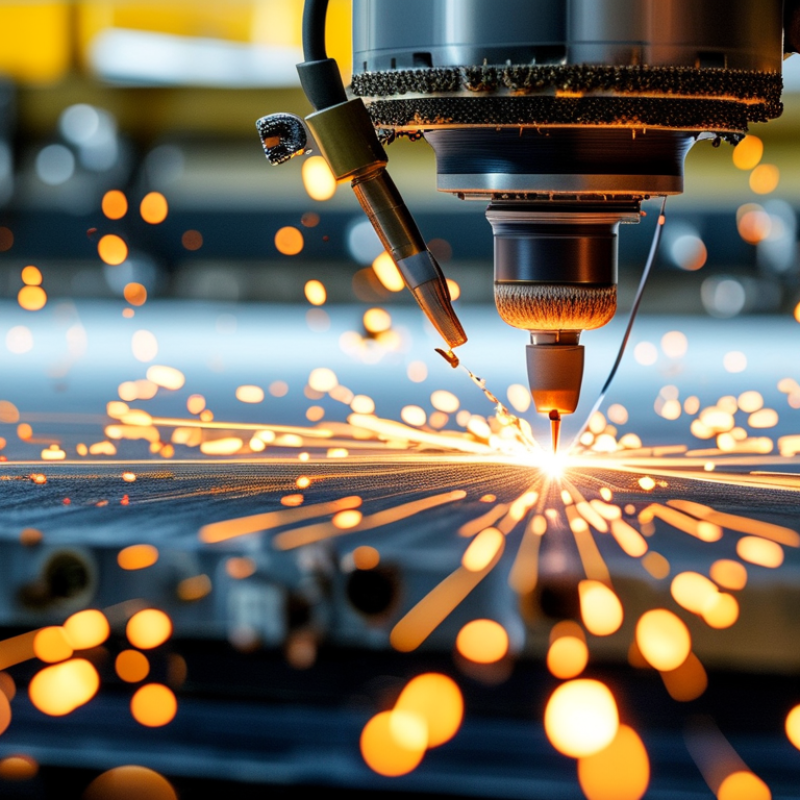
Wire EDM machining, or Electrical Discharge Machining,
remains a pivotal technology in precision manufacturing. This process uses electrical discharges between a wire electrode and
the workpiece to remove material. According to industry reports, wire EDM can achieve dimensional tolerances as tight
as ±0.0001 inches. This precision is crucial for applications such as
aerospace and medical device manufacturing, where accuracy is non-negotiable.
The principles of wire EDM hinge on a carefully controlled environment. The cutting fluid plays an essential role in
cooling and flushing away debris. This aids in maintaining the wire's integrity and prolongs its life. However, many
facilities overlook the importance of regular maintenance, which can lead to
inefficiencies. A common finding in recent studies indicates that poorly maintained wire EDM machines can decrease
productivity by up to 30%.
Understanding the applications of wire EDM is equally important. It shines in producing complex geometries that
traditional machining methods struggle with. Components like molds, dies, and intricate parts benefit immensely from
this method. However, the cost of operation, particularly in terms of energy consumption
and wire wear, can add up. Manufacturers need to balance these factors to maximize cost-efficiency and output.
Essential Equipment and Tools for Wire EDM Setup
When setting up wire EDM machining, the right equipment is crucial. A high-quality wire EDM machine is the centerpiece of the operation. These machines use a thin, electrically charged wire to cut through materials with precision. A recent industry report noted that the accuracy of wire EDM can reach tolerances as tight as ± 0.0001 inches. This level of precision is ideal for industries such as aerospace and medical devices.
Tool selection also plays a key role. Wire guides must be sturdy and capable of withstanding high tension without deforming. Additionally, proper dielectric fluids are essential. They conduct electricity and cool the wire during the machining process. Reports indicate that using high-grade fluids can improve machining efficiency by up to 30%. Not all options will provide the same results; testing different fluids may yield better outcomes.
Lastly, operational setup is often overlooked. Operators must calibrate machines properly. Regular maintenance is essential for optimal performance; however, many overlook this. Inconsistent wire tension or improper feed rates can lead to subpar results. Investing time in setup can save costs down the line. Accuracy and reliability stem from thorough preparation and attention to detail.
Wire EDM Machining Setup: Essential Equipment and Tool Usage
This bar chart displays the utilization rates of essential equipment and tools for Wire EDM machining. The data reflects the average usage percentage across various projects.
Key Factors Influencing Wire EDM Machining Success
In wire EDM machining, several key factors can influence outcomes. The quality of the wire is paramount. Choosing a high-quality wire can significantly enhance precision and reduce downtime.
Ensure that the wire is maintained properly. Regular checks can prevent inconsistencies during machining.
Another crucial element is the machine settings. Optimal settings can vary based on material and thickness. Experimenting with different parameters can lead to better results.
It may require trial and error, but finding ideal conditions is worth the effort. Keep track of changes and their impacts; this data is invaluable for future projects.
Cooling systems also play a vital role. Effective cooling helps maintain the integrity of the workpiece. It reduces thermal distortion, allowing for better dimensional accuracy.
Regular maintenance of cooling systems prevents overheating and prolongs equipment life. Implementing small changes can lead to significant improvements in performance.
Best Practices for Material Selection in Wire EDM Projects
When selecting materials for Wire EDM (Electrical Discharge Machining) projects, precision and properties matter significantly. A recent report by the International Journal of Advanced Manufacturing Technology highlights that choosing the right material can improve machining efficiency by up to 30%. Materials like titanium and stainless steel often yield optimal results due to their thermal stability. However, these materials can also pose challenges, as they require precise control of machining parameters.
Another key aspect is the thickness of the material. Research shows that thicker materials might lead to longer processing times and increased wear on electrodes. While a thickness of 0.1 mm is ideal for intricate designs, greater thickness can complicate the process. It is crucial to weigh the benefits of the design complexity against potential challenges.
In addition, surface finish is a determining factor in material selection. A study by the Journal of Materials Processing Technology indicates that rougher surfaces often necessitate additional machining steps, resulting in more costs and time. A careful balance must be struck to ensure project timelines stay on track. Reflecting on these factors can lead to better decision-making and enhance the overall success of Wire EDM projects.
Top Tips for Successful Wire EDM Machining in Your Projects - Best Practices for Material Selection in Wire EDM Projects
| Material Type |
Machinability Rating |
Typical Applications |
Wire Type |
| Stainless Steel |
Good |
Medical Parts, Food Processing Equipment |
Brass Wire |
| Aluminum |
Excellent |
Aerospace Components, Automotive Parts |
Copper Wire |
| Titanium |
Fair |
Medical Implants, Aerospace |
Brass Wire |
| Tool Steel |
Good |
Molds, Cutting Tools |
Stainless Steel Wire |
| Carbon Steel |
Good |
Automotive Parts, Structural Components |
Brass Wire |
Common Challenges and Solutions in Wire EDM Machining
Wire EDM machining presents several challenges that can impact project success. One common issue is wire breakage, which can halt production and increase costs. This often occurs due to incorrect tension settings. Adjusting wire tension to the manufacturer's recommendations can significantly reduce breakage. Monitoring the wire feed rate is vital. A consistent feed rate ensures smoother operation and avoids unexpected interruptions.
Another frequent challenge is surface finish quality. Inadequate settings can lead to rough edges or undesired marks. Addressing this, using the correct dielectric fluid is crucial. The right fluid enhances cooling and improves surface integrity. Additionally, maintaining optimal cutting speed aids in achieving a superior finish. Regular machine maintenance also plays a key role. Neglecting this can lead to inaccuracies and affect the overall performance.
Workpiece alignment is another critical factor. Misalignment can cause uneven cuts and dimensional inconsistencies. Employing precision fixtures can minimize these risks. Regularly checking the setup before production runs helps ensure accuracy. These measures, combined with skilled operators, foster successful outcomes in wire EDM machining projects.