What is Precision Turning Parts and Their Applications in Industry?
Precision turning parts play a vital role in modern manufacturing. Renowned expert Dr. John Miller, who specializes in machining technologies, once stated, “The accuracy of precision turning parts can significantly impact product performance.” This highlights the importance of quality in production.
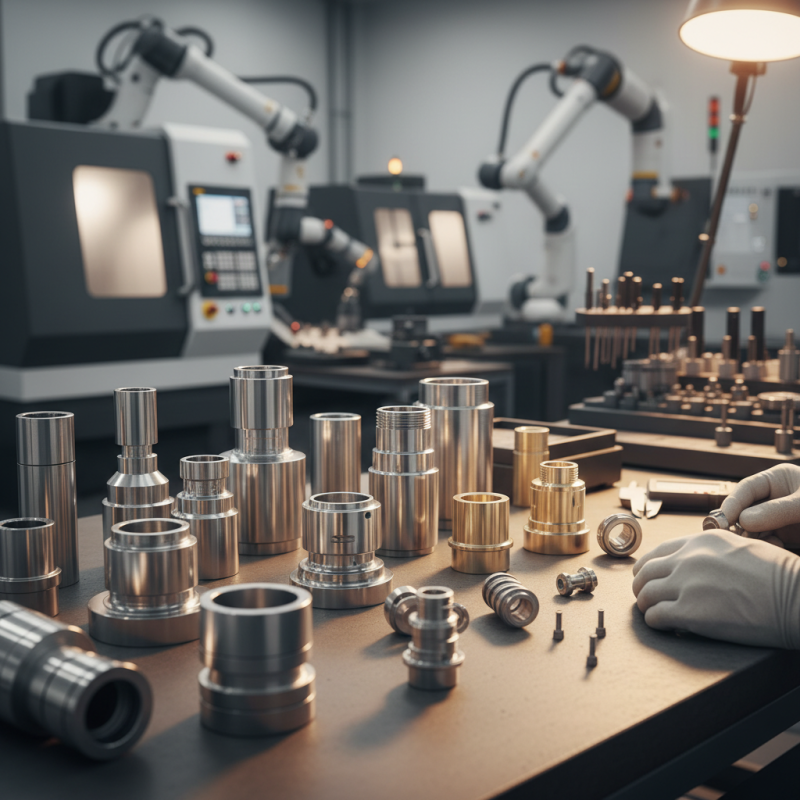
Precision turning parts are made using advanced CNC machines. These components are meticulously crafted to meet strict tolerances. They find applications in aerospace, automotive, and medical industries. Each sector demands high precision due to safety and functionality requirements.
Moreover, innovation in materials and techniques fuels the growth of this field. Despite advancements, challenges remain. Maintaining consistency in quality is crucial yet can be difficult to achieve. The future of precision turning parts lies in balancing technology with craftsmanship. This balance must be continually assessed for improvement.
Definition and Characteristics of Precision Turning Parts
Precision turning parts are crucial components in various industries. They are machined to exact specifications using turning processes. The primary characteristic of these parts is their tight tolerances and high surface finish. They are typically made from materials like
metals, plastics, and composites.
In manufacturing, precision turning parts serve multiple applications. They are commonly found in automotive, aerospace, and medical fields. For instance, a precision shaft in a vehicle engine must fit perfectly to ensure optimal performance. However, achieving such accuracy can be challenging. Manufacturers often face difficulties with tool wear and alignment issues during production. These factors can compromise part quality.
Despite advancements in technology, the need for skilled operators remains. Human expertise is essential for monitoring the turning process. Reliable quality control measures are vital. Each piece must meet stringent standards to function correctly. Continuous improvement in techniques and machinery is necessary for better outcomes. Nonetheless, ongoing challenges in production require attention. Balancing speed and precision remains a topic for reflection.
Manufacturing Processes Involved in Precision Turning
Precision turning is a critical process in various manufacturing sectors. It utilizes CNC (Computer Numerical Control) machines to create components with tight tolerances. According to a report by MarketsandMarkets, the global CNC machine market is projected to reach $100 billion by 2026, highlighting its importance in modern manufacturing.
Key manufacturing processes involved in precision turning include cutting, shaping, and finishing. Each step requires careful monitoring and skilled operators to maintain quality. The materials used can vary significantly—from aluminum to stainless steel. Each material demands a different approach, which can lead to challenges in achieving the desired finish. A recent study showed that nearly 15% of machined parts fail quality assurance checks due to improper settings or tool wear.
Tool selection is another critical aspect. High-speed steel tools and carbide inserts are common choices. Each has its advantages, impacting production speed and output quality. However, wrong tool choices can lead to increased cycle times and wasted materials, challenging efficiency. These factors showcase the need for continuous training and adaptation in the field, as manufacturers strive for excellence.
Common Materials Used for Precision Turning Parts
Precision turning parts are crucial in various industries. The materials used for these components greatly influence their performance and longevity. Common materials include steel, aluminum, brass, and plastics. Each has unique properties that make them suitable for different applications.
Steel offers excellent strength and durability. It is commonly used in automotive and aerospace sectors. Aluminum, while lightweight, provides good corrosion resistance. This makes it ideal for electronic components and consumer products. Brass, with its good machinability and aesthetic appeal, is often seen in plumbing fixtures and decorative items. Plastics, such as polycarbonate and nylon, are versatile and used in medical devices and housing for electronics.
Choosing the right material is essential. It can impact the cost and manufacturing process. Understanding the specific needs of each application helps in material selection. Yet, many overlook this critical aspect. Often, the choice is made based on availability rather than performance specifications. This can lead to issues in product lifespan and reliability. Evaluating material properties against application requirements ensures a balance between functionality and cost-efficiency.
What is Precision Turning Parts and Their Applications in Industry? - Common Materials Used for Precision Turning Parts
| Material |
Characteristics |
Applications |
| Aluminum |
Lightweight, corrosion-resistant, good thermal conductivity |
Aerospace, automotive, electronics |
| Steel |
High strength, durability, good machinability |
Construction, machinery, automotive |
| Brass |
Good corrosion resistance, excellent machinability |
Plumbing fittings, electrical connectors |
| Plastic (e.g. Delrin) |
Lightweight, chemical resistance, low friction |
Consumer products, automotive components |
| Titanium |
High strength-to-weight ratio, corrosion-resistant |
Aerospace, medical devices |
Applications of Precision Turning Parts Across Various Industries
Precision turning parts play a vital role in various industries. They are made using advanced machinery and techniques. These parts are essential for precision engineering. Many sectors depend on them, including automotive, aerospace, and medical devices.
In the automotive industry, precision turning parts are used for components like gear shafts and valve bodies. These components must meet strict tolerances. A minor error can lead to significant performance issues. Being precise helps enhance safety and efficiency in vehicles.
The aerospace sector also heavily relies on these parts. Components such as engine mounts and landing gear require utmost accuracy. A defective part could have dire consequences. The manufacturing process must be closely monitored to ensure quality.
Tips: Always choose suppliers who prioritize quality control. Regularly inspect parts during production. This can prevent costly mistakes later. Understanding the specific applications of precision turning parts can guide better choices in material and design.
Applications of Precision Turning Parts Across Various Industries
Advantages and Challenges of Using Precision Turning Parts
Precision turning parts are essential components in various industries, offering a combination of accuracy and reliability. One significant advantage is their ability to create complex shapes with high precision. Manufacturers rely on these parts for critical applications, from aerospace to electronics. The intricate designs produced contribute to improved functionality and efficiency in machinery and devices.
However, challenges exist in the utilization of precision turning parts. The initial setup can be time-consuming, requiring skilled operators and advanced machinery. The cost of materials can also be high, making initial production a significant investment. On top of that, maintaining quality control is crucial. Small errors in measurement can lead to significant failures in the end product.
Every manufacturer faces these obstacles. Striking a balance between cost, efficiency, and precision could be difficult. Continuous improvement in processes is vital. Companies often reflect on these challenges to enhance their operations and outcomes. Solutions may include investing in better technology or training staff effectively. Production time may increase as a result, but the long-term benefits justify the effort.