What is Precision Machining and How Can It Benefit Your Business?
Precision Machining is revolutionizing the manufacturing sector. According to a report by Grand View Research, the global precision machining market was valued at approximately $37 billion in 2021. This figure is projected to grow significantly, driven by increasing demand across various industries. Companies are investing heavily in precision machining technologies, seeking to enhance product quality and efficiency.
In this competitive landscape, precision machining can be a game changer. It offers exceptional precision, enabling manufacturers to produce intricate components with tolerances as tight as +/- 0.001 inches. Such accuracy is vital when it comes to industries like aerospace and medical devices, where even minor deviations can lead to catastrophic failures. However, investing in precision machining comes with challenges. Companies must ensure they have the right expertise and equipment to fully capitalize on these advantages.
Moreover, the integration of advanced technologies like CNC machining and additive manufacturing continues to reshape traditional approaches. Despite these advancements, some businesses struggle to adapt. They may find it difficult to keep pace with evolving technology or to train their workforce effectively. A thorough understanding of precision machining is essential for those looking to leverage its benefits and stay ahead in a fast-evolving market.
What is Precision Machining?
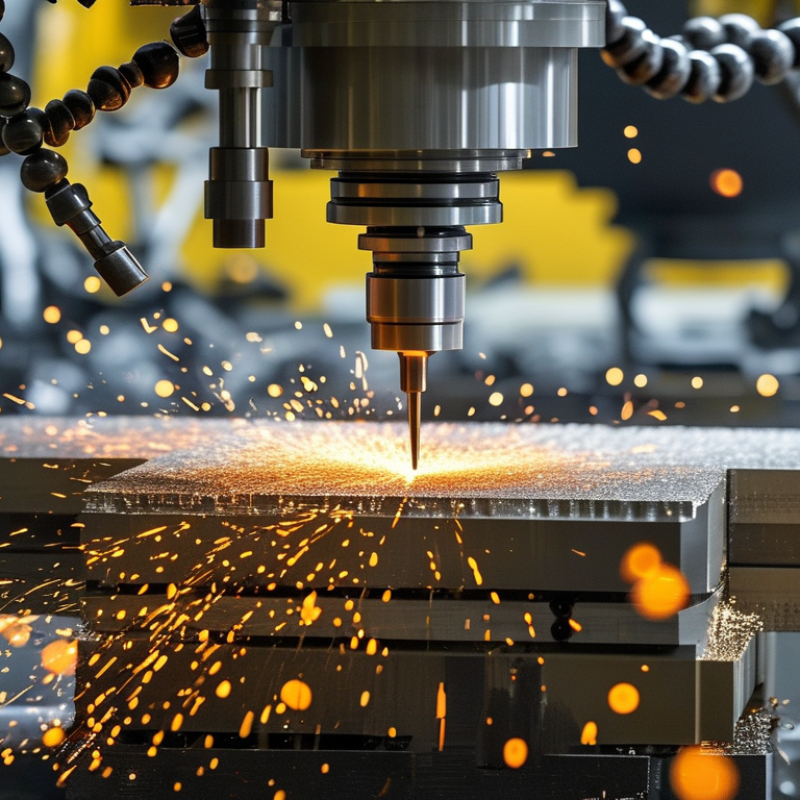
Precision machining is a manufacturing process that produces parts with high accuracy and tight tolerances. It utilizes advanced machinery, such as CNC machines, to create complex components from various materials. Reports indicate that precision machining contributes significantly to industries like aerospace, automotive, and medical devices, with a projected market growth rate of around 6.7% annually from 2021 to 2026.
This method relies on computer-aided design (CAD) and computer-aided manufacturing (CAM) systems. These technologies enhance efficiency and reduce waste. In fact, research shows that businesses adopting precision machining experience a reduction in production costs by approximately 15-20%. Precise tolerances, often within 0.001 inches or less, lead to improved product quality and performance. Such accuracy minimizes the need for rework, which can be both time-consuming and costly.
Tip: Invest in employee training for operation and maintenance of CNC machines. Knowledgeable staff can identify issues early, leading to greater productivity and quality control. Addressing the challenges of obtaining skilled labor can further optimize operations and reduce reliance on external contractors. Consider evaluating partnerships with local educational programs to cultivate a skilled workforce in precision machining.
Key Techniques in Precision Machining
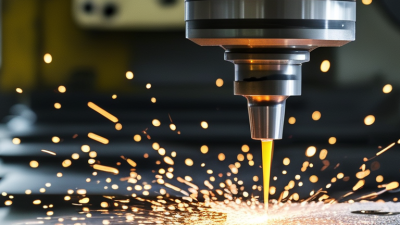
Precision machining is essential in various industries, enabling the creation of intricate parts with minimal tolerances. Techniques such as Computer Numerical Control (CNC) machining, electrical discharge machining (EDM), and laser cutting stand out in this domain. CNC machining, for instance, can achieve a precision of up to ±0.001 inches, making it vital for aerospace and medical sectors that demand high accuracy. The precision machining market is projected to grow to $8.3 billion by 2026, indicating its increasing importance in manufacturing.
EDM is another key technique that excels in machining hard materials. This method allows manufacturers to create complex geometries that traditional machining cannot. According to a report by Mordor Intelligence, the EDM market is expected to witness a growth rate of 7.8% annually. However, challenges such as tool wear and longer processing times can affect efficiency, prompting continuous improvement efforts in technology and training.
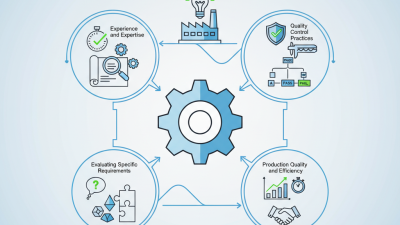
Laser cutting has also made significant strides, allowing for clean cuts on various materials. Utilizing high-powered lasers, industries can produce detailed components with minimal heat-affected zones. As noted in a report from Grand View Research, the global laser cutting market is expected to reach $4.7 billion by 2025. Despite its advantages, businesses must consider the initial investment costs and maintenance needs, ensuring a clear understanding of their long-term benefits. Embracing these precision machining techniques can indeed enhance production quality and efficiency, but careful evaluation is necessary to realize their full potential.
Precision Machining Techniques and Their Impact on Efficiency
Applications of Precision Machining in Various Industries
Precision machining plays a crucial role across various industries. In aerospace, for example, it ensures parts meet strict safety standards. Each component, from engine parts to structural items, must be precisely crafted. Any small deviation can lead to costly failures. The need for accuracy is paramount, as lives depend on reliable performance.
In the medical field, precision machining produces intricate devices like surgical instruments and implants. These items require not only precision but also biocompatibility. Flaws can compromise patient safety, leading to severe consequences. This high level of craftsmanship and attention to detail is essential for medical advancements.
Manufacturing also benefits from precision machining. In automotive production, components must fit together flawlessly. A slight imperfection can disrupt assembly lines and lead to production delays. The push for efficiency in this sector underscores the importance of precision. Each industry, while unique, faces the challenge of maintaining high standards. Continuous improvement and reflection on machining processes are vital for long-term success.
Benefits of Precision Machining for Business Efficiency
Precision machining is a crucial process that enhances business efficiency across various industries. By utilizing advanced techniques, businesses can achieve high accuracy and repeatability in their manufacturing processes. This consistency minimizes waste and reduces costs, which leads to improved profit margins. Moreover, precision machining allows for the creation of complex parts that meet exact specifications, ensuring optimal performance in applications.
One significant benefit of precision machining is its ability to streamline operations. High-quality components lead to faster assembly times and less downtime. When parts fit perfectly, it eliminates the need for extensive rework. This not only enhances productivity but also boosts employee morale, as they work with reliable and high-quality materials.
Tips: Invest in regular training for your staff. Keeping your team updated with the latest machining techniques can enhance productivity. Assess your machining processes frequently. Identify areas for improvement to stay competitive in the market. Balancing precision with cost is key. Regularly review your pricing strategies and supplier contracts.
Choosing the Right Precision Machining Service for Your Needs
Choosing the right precision machining service can significantly impact your operations. Consider your specific needs and project requirements carefully. It's essential to assess the technical capabilities of potential service providers. Look for specialists who have proven experience in your industry. They should understand the materials you use and the tolerances necessary for your projects.
Another critical factor is communication. Clear communication ensures that your expectations align with the service provider's capabilities. A reliable provider will ask questions and offer suggestions. A lack of responsiveness can lead to misunderstandings and costly mistakes. Be cautious if you're met with vague answers. It’s important to have a partner who values transparency.
Lastly, evaluate the tools and technology they use. Advanced machinery can improve accuracy and efficiency. However, newer does not always mean better. Some companies may invest heavily in marketing instead of quality. Request samples or references from previous clients. This approach can help you gauge the provider's reliability and quality of work. Balancing between cost and quality is always a challenge. It’s worth taking the time to find the right match for your precision machining needs.
What is Precision Machining and How Can It Benefit Your Business?
| Service Type |
Material Used |
Typical Tolerance |
Industries Served |
Lead Time |
| CNC Machining |
Aluminum |
±0.005 mm |
Aerospace, Automotive |
2-4 weeks |
| Laser Cutting |
Stainless Steel |
±0.1 mm |
Medical, Defense |
1-3 weeks |
| EDM (Electrical Discharge Machining) |
Tool Steel |
±0.002 mm |
Mold Making, Aerospace |
3-6 weeks |
| 3D Printing |
Plastic |
±0.5 mm |
Consumer Products, Prototyping |
1-2 weeks |