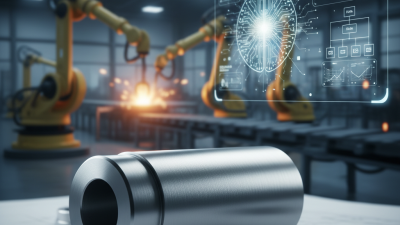
What is Grinding Precision Parts and Why Are They Essential?
Grinding precision parts are fundamental in high-tech industries. These components are essential for machinery, aerospace, and automotive sectors. According to a report by the Precision Manufacturing Association, precision grinding contributes to an estimated 30% of the total manufacturing cost. This statistic highlights their critical role.
The process of grinding precision parts requires advanced techniques and equipment. It involves removing material to achieve tight tolerances. Tolerances can be as slim as 0.0001 inches. This level of accuracy ensures parts fit perfectly in their applications. However, maintaining such precision is challenging. Even minor errors can lead to significant performance issues.
Understanding the importance of grinding precision parts is crucial for manufacturers. These parts ensure the efficiency and safety of end products. Yet, not all companies invest equally in quality processes. Some may overlook precision, leading to costly mistakes. In the competitive landscape, high-quality grinding processes define success. This reinforces the need for expertise in the field.
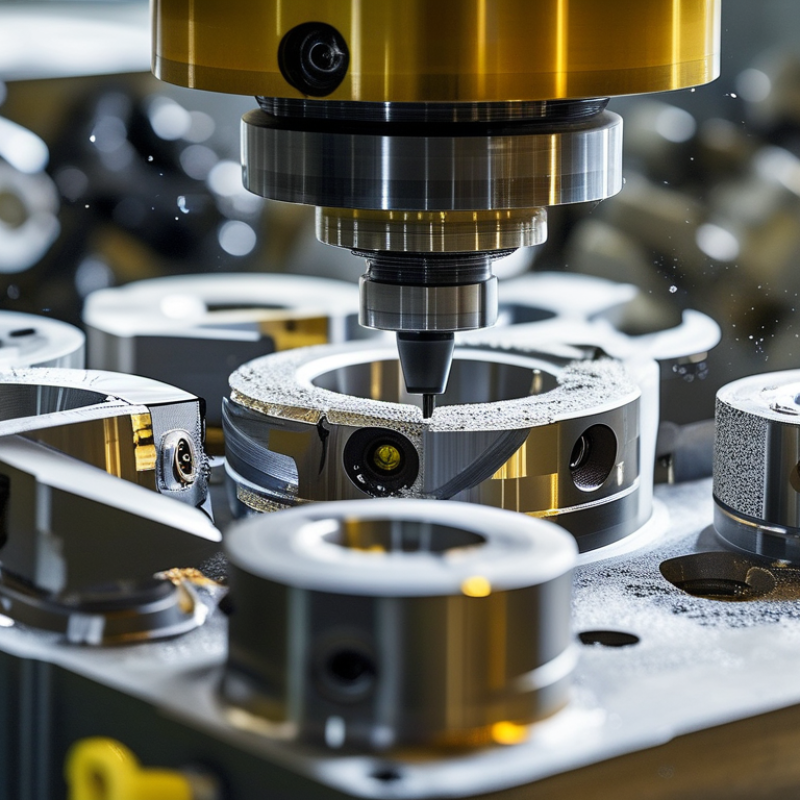
What is Grinding Precision Parts?
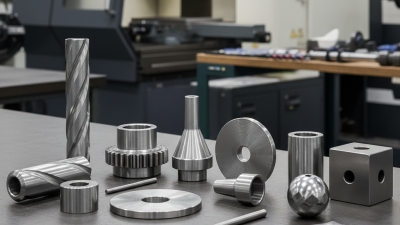
Grinding precision parts is a core process in manufacturing. It involves using abrasive materials to shape and refine components. This method achieves remarkable levels of accuracy and smoothness. The result is crucial for industries like aerospace, automotive, and medical technology. These fields require stringent standards. Even a tiny imperfection can lead to significant issues.
Precision grinding can be complex. Operators must control various parameters, such as speed and pressure. Each detail matters. This emphasis on detail requires skilled personnel who understand the nuances of the process. Over time, even experienced operators may face challenges, needing continuous training to adapt to new technologies.
Despite advancements, the process is not flawless. Occasionally, parts may come out with minor defects. Recognizing these issues is essential for quality control. It prompts a reevaluation of methods and techniques. This constant cycle of assessment ensures that grinding continues to meet industry standards and client expectations. In an arena where tolerances are tight, the pursuit of improvement never ends.
The Process of Precision Grinding Explained
Precision grinding is a critical process in the manufacturing of high-quality parts. It involves removing material from a workpiece using a rotating grinding wheel. This technique ensures that components meet exact specifications. Tolerances can be as tight as a few microns. What's truly fascinating is that precision grinding is not just about removing metal; it’s about achieving a desired finish and geometry.
The process requires specialized equipment and skilled operators. Technicians must select the right grinding wheel and parameters for each job. Different materials react differently to grinding. For instance, harder materials may need slower speeds to prevent damage. Operators often engage in trial and error to optimize settings. This trial phase can lead to unexpected challenges, highlighting the need for adaptability.
Understanding the intricacies of precision grinding is essential for manufacturers. Each step, from setup to execution, requires attention to detail. Operators must monitor the process continuously to ensure quality. A small oversight can lead to defects. Reflecting on such experiences improves future practices and reinforces the importance of precision in production.
What is Grinding Precision Parts and Why Are They Essential?
| Dimension |
Material |
Application |
Tolerance (mm) |
| 10 x 10 |
Steel |
Automotive |
±0.01 |
| 15 x 5 |
Aluminum |
Aerospace |
±0.02 |
| 8 x 8 |
Brass |
Electronics |
±0.01 |
| 12 x 3 |
Plastic |
Medical |
±0.005 |
Materials Commonly Used in Precision Grinding
Precision grinding is a critical process in various industries. The effectiveness of this method heavily relies on the materials used. Common materials for precision grinding include metals like stainless steel, aluminum, and tool steel. These materials are chosen for their durability and ability to withstand wear.
Stainless steel is often selected for its corrosion resistance. It maintains its integrity under harsh conditions. Aluminum, on the other hand, is preferred for its lightweight properties. It allows for easier handling and is often used in the aerospace industry. Tool steel is a go-to for its hardness, providing excellent finishes.
However, not all materials produce perfect results. Variations in composition can impact grinding outcomes. Harder materials may cause excessive tool wear, requiring frequent replacements. This can lead to increased costs and downtime. Each material presents unique challenges that need continual evaluation. Careful selection and testing can mitigate potential issues. Balancing properties and performance is essential for successful precision grinding.
Applications of Precision Ground Parts in Various Industries
Precision ground parts are vital across multiple industries. Their applications span aerospace, automotive, electronics, and medical fields. In aerospace, components demand exact tolerances. According to a 2021 industry report, parts with tolerances as tight as ±0.001 inches are common. This precision ensures safety and performance during flight.
In automotive manufacturing, grinding precision parts enhance efficiency and durability. For instance, camshafts and crankshafts often need precision grinding to reduce friction. This minimizes wear and prolongs engine life. A study indicated that precision ground components can improve engine performance by up to 10%. Such enhancements are crucial in a competitive market where every percentage point matters.
When sourcing precision ground parts, consider the manufacturing processes. Ensure the provider uses advanced technology and skilled workers. Gritty details matter here. Incorrect tolerances can lead to failures. Therefore, always request quality assurance documentation to validate specifications. Seeking out companies with ISO certifications can offer additional peace of mind.
The Importance of Precision in Manufacturing and Engineering
Precision plays a crucial role in manufacturing and engineering. It defines the accuracy with which components are made. Without precision, the integrity of machinery and structures can be compromised. For instance, a small error in machining can lead to significant performance issues in an assembled product.
In many industries, such as aerospace or automotive, the stakes are high. Tolerances can be extremely tight. One millimeter off can result in failure. The engineering community must prioritize precision to ensure safety and functionality. Yet, achieving this level of accuracy is not always straightforward. Traditional methods can fall short, and sometimes, even advanced technologies can produce flawed parts.
Manufacturers often face challenges like material variations and machine wear. These factors can lead to inconsistencies. Engineers must remain vigilant, constantly assessing processes. The pursuit of precision drives innovation, leading to better tools and methods. However, it is a continuous journey that requires constant reflection and adaptation.
The Importance of Precision Parts in Manufacturing