How to Choose the Right Fixture Manufacturing Process for Your Needs?
Choosing the right manufacturing process in the Fixture Manufacturing industry is crucial for success. As the market evolves, companies must adapt their approaches. According to the Industry Report 2023, this sector sees a growth rate of 5% annually, driven by advancements in technology and customer demands.
"Selecting the right process can determine a company's competitiveness," says Dr. Martin K. Chen, a leading expert in Fixture Manufacturing. He emphasizes the importance of aligning processes with specific project requirements. This ensures efficiency and effectiveness.
Many manufacturers struggle with this critical decision. The emergence of AI technology has refined supplier selection. Events like the 2026 Canton Fair will showcase innovations, providing insights into advanced manufacturing. However, not all companies leverage these tools effectively. Understanding industry standards and certifications, such as ISO and CE, is essential to improve outcomes.
Understanding Different Fixture Manufacturing Processes
Choosing the right fixture manufacturing process can be challenging. Various methods exist, each with distinct advantages. Understanding these processes helps in making an informed decision.
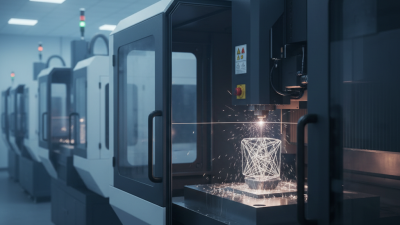
CNC machining offers precision and flexibility. It's suitable for small batches and complex shapes. However, setup times can be lengthy. This may not be ideal for all projects.
Injection molding is efficient for large production runs. It reduces per-unit costs. Yet, the initial tooling investment is high. It might deter some designers. 3D printing is a great option for rapid prototyping. It allows for quick adjustments. But it may lack the durability of traditional methods, which can be a concern. Each process has strengths and weaknesses, making careful consideration essential.
Fixture Manufacturing Process Analysis
This chart compares the costs associated with different fixture manufacturing processes. Understanding these costs can help you make an informed decision based on your specific needs.
Evaluating Material Requirements for Fixture Production
When selecting a fixture manufacturing process, the material requirements play a critical role. Different materials can significantly impact the strength, durability, and cost of the final product. According to industry reports, about 45% of production costs are influenced by the choice of materials. For example, using aluminum could reduce weight but increase the cost by 30%. This requires a careful balance between functionality and budget.
Common materials for fixture production include steel, aluminum, and plastics.
Steel fixtures offer high strength and are ideal for heavy-duty applications. However, they also add weight. Aluminum, while lighter, may not always provide the same rigidity. This choice depends on the specific application. Some companies have faced challenges in sourcing materials, leading to production delays. Relying solely on one material can be risky, as variations in quality can affect outcomes.
It is essential to understand the characteristics of these materials. For instance, plastic can be corrosion-resistant but may deform under high heat. This limitation can restrict its use in some environments. In contrast, some manufacturers overlook the implications of thermal expansion on metal fixtures, leading to misalignment issues. Evaluating requirements fully prevents costly mistakes in the manufacturing process.
Analyzing Production Volume and Cost Efficiency
When analyzing production volume and cost efficiency for fixture manufacturing, understanding your needs is crucial. High-volume production may suggest the use of automated processes. Automation often reduces per-unit costs but requires significant upfront investment. For smaller runs, manual processes or hybrid approaches can be more flexible. They might also save costs but can increase unit prices.
Evaluating the cost efficiency of materials is also important. Some materials may be cheaper initially but could lead to higher long-term expenses. Consider durability and maintenance when choosing. You might find lower costs today could become expensive over time. Production methods vary widely; what suits one project may not fit another. Testing different approaches on a smaller scale could reveal surprising insights.
Finally, assess your team’s skills. A high-tech process requires trained personnel. If your team lacks experience, mistakes could lead to waste. This mistake can impact both production time and overall cost. Balancing volume, efficiency, and expertise is key. Reflect on how these factors interact to ensure the right choice for your fixture manufacturing needs.
How to Choose the Right Fixture Manufacturing Process for Your Needs?
| Manufacturing Process |
Production Volume |
Cost Efficiency |
Lead Time |
| Injection Molding |
High |
High |
2-4 weeks |
| CNC Machining |
Medium |
Medium |
1-3 weeks |
| 3D Printing |
Low to Medium |
High (for low volumes) |
1-2 weeks |
| Stamping |
High |
Medium |
2-6 weeks |
| Thermoforming |
Medium |
Medium |
1-4 weeks |
Assessing Precision and Tolerance Needs in Fixtures
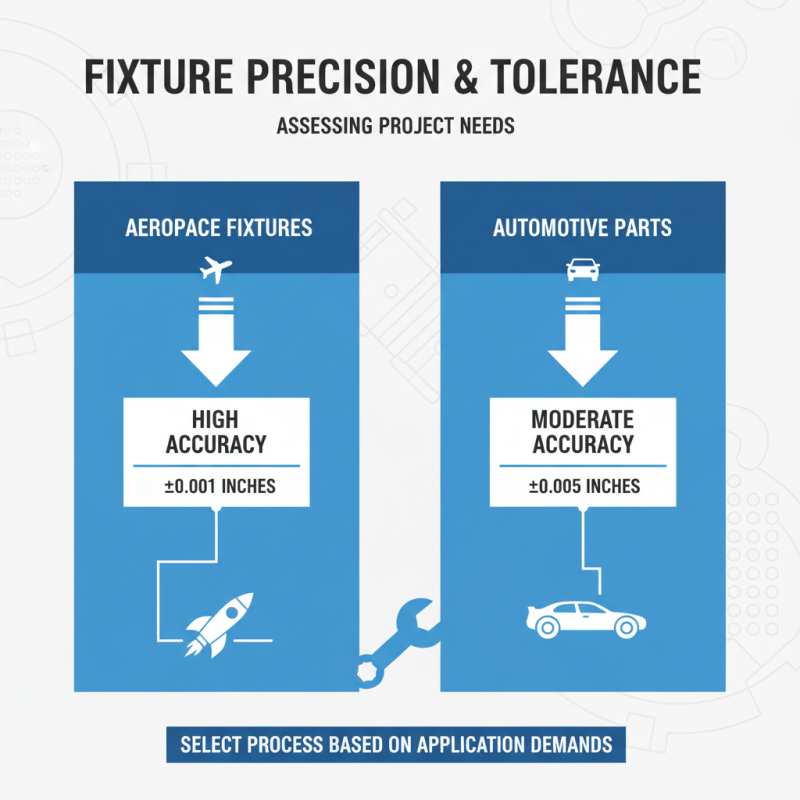
When selecting a fixture manufacturing process, precision and tolerance are paramount. Different applications demand varied levels of accuracy. For instance, aerospace fixtures may require tolerances within ±0.001 inches, while automotive parts might only need ±0.005 inches. This difference is crucial. It is important to assess the specific demands your project presents.
Using advanced manufacturing techniques can enhance precision. Additive manufacturing allows for complex geometries that traditional methods cannot achieve. According to industry reports, companies using CNC machining report a reduction in tolerance deviations by up to 30%. However, executing perfect tolerances consistently remains a challenge. Operators must be highly skilled, and even minor mistakes can lead to significant production losses.
Raw materials also affect precision. Variability in the material properties can introduce errors in tolerances. Selecting high-quality materials can mitigate this. In practice, many manufacturers face difficulties in balancing cost and precision requirements. A detailed analysis of material behavior can provide insights, but it often requires additional resources. Always remember that achieving the right balance is essential, yet not always achievable. This uncertainty can lead to reflections on how to improve processes continuously.
Exploring Lead Times and Supply Chain Considerations
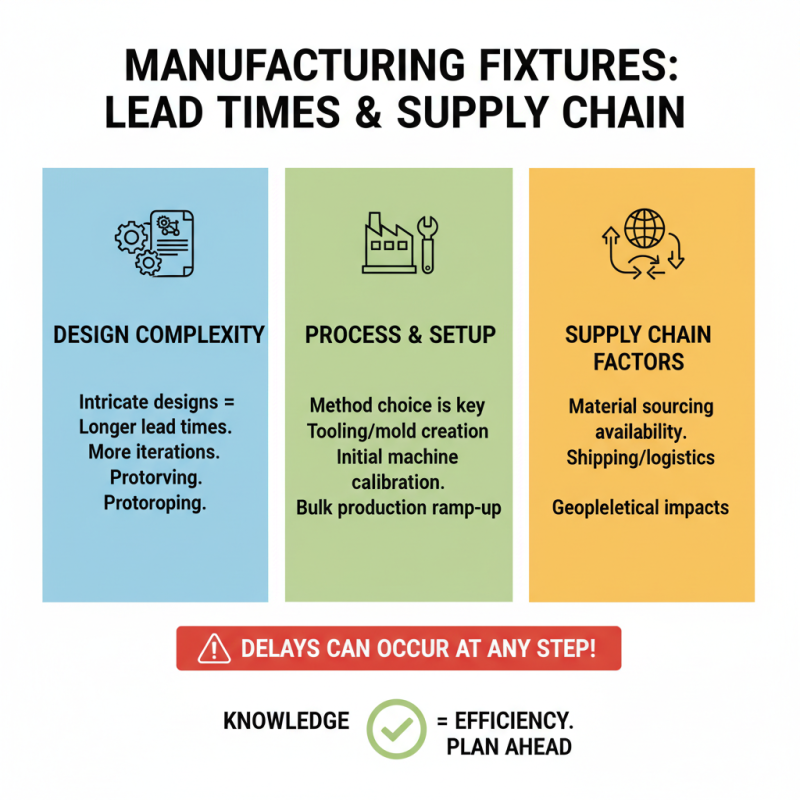
When selecting a manufacturing process for fixtures, lead times and supply chain factors play a crucial role. Delays can occur at any step. It’s essential to understand how each method affects timelines. Some processes take longer due to the complexity of the design. Others may require additional time for initial setup or tooling. Knowing these nuances can save headaches later.
Supply chain considerations also influence your choices. Sourcing materials can impact your project just as much as the manufacturing process. Local suppliers may offer shorter lead times. However, they might not always have the best quality or pricing. Communicating with suppliers helps gauge their capacity. This can lead to better planning and fewer unexpected issues.
Reflecting on past experiences can aid in selecting the right process. Sometimes, the quickest option might compromise quality. On the other hand, taking extra time may lead to superior results. Balancing speed and quality is crucial. Remember, this journey may require adjustments along the way. Each decision shapes your project's outcome.