China Top 10 Grinding Precision Parts Manufacturers
China Top 10 Grinding Precision Parts Manufacturers
China’s precision manufacturing sector has developed rapidly, supported by advanced CNC equipment, skilled technicians, and expanding inspection capabilities. This guide examines China’s top 10 Grinding Precision Parts manufacturers through practical criteria. These include dimensional accuracy, surface finish, material expertise, production capacity, quality control, and delivery reliability. The focus is not merely on attractive machinery or polished websites. Real performance appears in inspection reports, repeatability records, and finished parts under a microscope.
Dr. Brian Rowe, author of Principles of Modern Grinding Technology, describes grinding as “a machining process that uses abrasive particles as the cutting medium.” His explanation highlights the process’s technical nature. Each abrasive grain removes a small amount of material. Wheel selection, dressing frequency, coolant control, and spindle stability can change the final result. A shaft may look flawless, yet fail because its roundness varies by only a few microns. That matters.
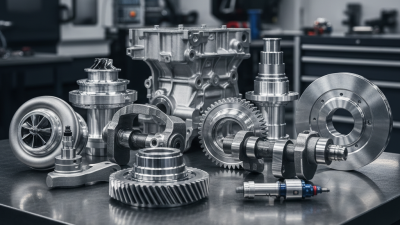
The manufacturers discussed here serve industries such as automotive, aerospace, medical equipment, mold making, and industrial automation. Their capabilities may include cylindrical grinding, centerless grinding, surface grinding, internal grinding, and complex profile work. Some companies show strong engineering depth. Others appear less consistent across projects. No supplier is perfect. Buyers should still verify certificates, sample parts, tolerance results, and communication practices before placing large orders. This review offers a useful starting point, but direct technical evaluation remains essential. Good data can reveal strengths. It can also expose uncomfortable gaps.
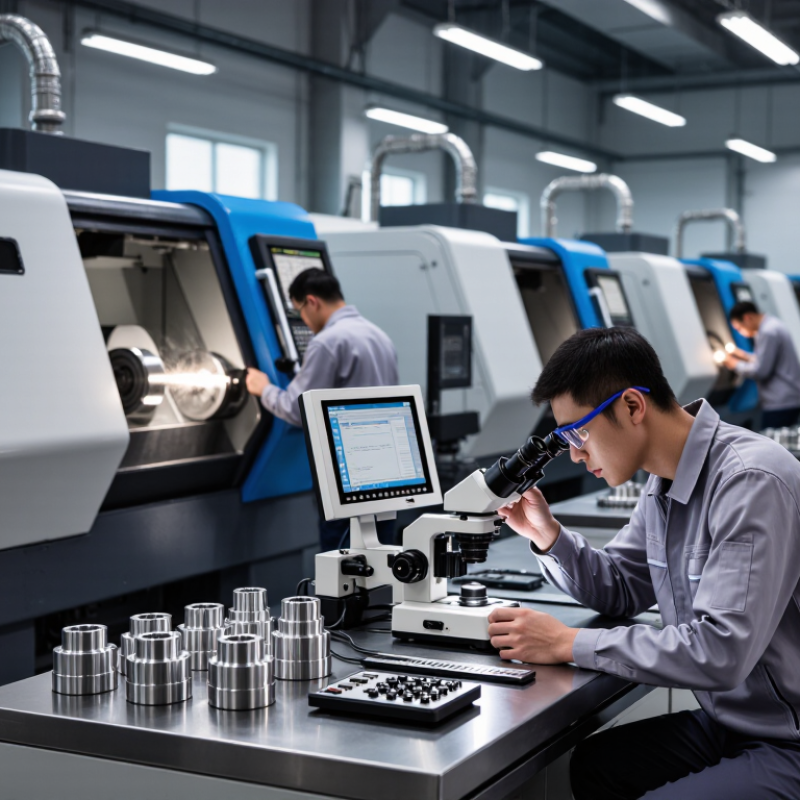
What Grinding Precision Parts Manufacturing Involves
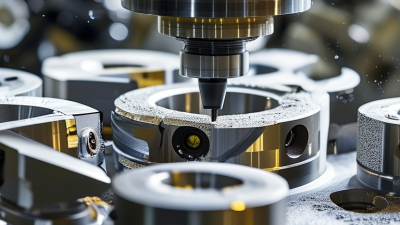
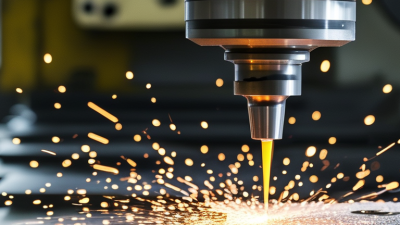
Grinding precision parts manufacturing involves removing tiny amounts of material with controlled abrasive action. It produces shafts, pins, sleeves, gears, and other components requiring close tolerances. A machinist may remove only a few microns from a hardened steel surface. The process often includes centerless, cylindrical, surface, or internal grinding. Each method suits a different geometry. Engineers select the wheel, coolant, speed, and feed rate carefully. Temperature matters. Heat can distort a part before inspection begins.
Production usually starts with a drawing, material certificate, and tolerance plan. Operators verify dimensions using micrometers, gauges, or coordinate measuring equipment. They also check roundness, surface roughness, edge condition, and visible burn marks. Proper wheel dressing keeps the abrasive surface stable. Coolant filtration protects both finish quality and machine accuracy. In practice, even experienced teams can miss a small burr near a shoulder. That weakness deserves review, not excuses. Reliable manufacturers record machine settings, inspection results, and corrective actions for traceability.
Tips: Confirm the datum before grinding. Measure parts at a stable temperature. Use a trial piece to check size and surface finish. Do not trust one reading; repeat it with a calibrated instrument. Ask whether the tolerance is truly necessary, because overly tight requirements can increase cost and scrap. A clean workspace also helps. Fine abrasive dust can affect measurements and equipment.
How China’s Top Manufacturers Are Evaluated
Evaluating China’s top grinding precision parts manufacturers requires more than comparing prices or polished factory photos. Experienced buyers examine process evidence, including grinding methods, tolerance ranges, material knowledge, and repeatability across production batches. Request sample inspection reports showing dimensional tolerance, surface roughness, roundness, and runout. Reports without traceable equipment data provide weak evidence. Keep that question open.
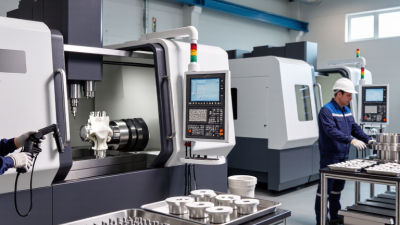
Professional capability appears in the details. Review machine condition, wheel selection, coolant control, temperature management, and in-process measurement. A reliable manufacturer should explain how operators manage tool wear and detect process drift. Calibration records should list equipment, dates, standards, and responsible personnel. Small details matter. Production records should connect each batch with raw material certificates, inspection results, and shipment status. Site visits can confirm workflow, but remote audits need dated documents and live measurement demonstrations.
Authority comes from verified experience, not confident claims. Request comparable project references, non-confidential process examples, and records of corrective actions. Check whether engineers can explain tolerance stack-ups clearly. Communication also deserves measurement: response speed, change-control discipline, and honesty about capacity. A factory admitting limitations may be safer than one promising everything. My evaluation would include a pilot order and a delivery review. One overlooked risk remains: excellent first articles may hide unstable volume production. Recheck critical dimensions at several intervals, not only during final inspection.
China Top 10 Grinding Precision Parts Manufacturers: Evaluation Criteria
This neutral evaluation model reflects the main procurement factors used when comparing precision grinding manufacturers: dimensional accuracy, surface quality, process consistency, quality assurance, material traceability, delivery reliability, and engineering support. The percentages represent the relative importance of each criterion in a weighted assessment and do not rank any specific company or brand.
Key Technologies and Quality Standards in the Industry
China Top 10 Grinding Precision Parts Manufacturers
Key Technologies and Quality Standards in the Industry
China’s leading grinding precision parts manufacturers rely on stable processes, not machine speed alone. CNC surface, cylindrical, centerless, and jig grinding each serve different tolerance requirements. A skilled engineer checks material hardness before selecting wheel grade, dressing frequency, and coolant flow. Hardened steel may need several light passes. Heavy cuts can create burns, distortion, or hidden tensile stress.
Temperature control matters. Many workshops inspect parts near 20°C, because thermal expansion can change a tight diameter by several microns. Clean coolant, fine filtration, and balanced wheels also protect surface quality. Typical inspection may include a coordinate measuring machine, roundness tester, micrometer, and surface profilometer. These tools verify diameter, concentricity, cylindricity, and roughness. ISO 9001 supports process control, while ISO 286 helps define fit and tolerance systems. ISO 21920 provides a useful framework for surface texture evaluation.
A reliable supplier should provide material certificates, first-article reports, calibration records, and traceability from blank to shipment. In practice, paperwork is not enough. I have seen attractive reports hide inconsistent readings between operators. That weakness deserves attention. Gauge repeatability studies and random sampling can expose it. Some manufacturers also use SPC charts to detect gradual wheel wear before parts drift outside tolerance. Yet no system is perfect. Complex thin-wall parts may deform during clamping, even after careful programming. Experienced teams test fixtures, inspect at multiple stages, and adjust based on measured results rather than assumptions.
How to Select the Right Chinese Manufacturing Partner
Selecting the right Chinese manufacturing partner for grinding precision parts requires more than comparing prices. Ask for inspection reports, grinding process records, and tolerance data from similar components. A reliable supplier should explain its equipment, measurement methods, and response to defects. Vague answers are warning signs.
Check whether the factory controls surface roughness, cylindricity, and dimensional stability during production. Request calibration records for gauges and traceability documents for raw materials. A video audit can reveal practical details, such as clean inspection areas, organized tool storage, and operators checking parts at the machine. Do not rely only on polished presentations. Production reality may differ.
Start with a small pilot order before approving regular volumes. Define drawing revisions, packaging requirements, delivery dates, and acceptance standards in writing. Ask how the supplier handles nonconforming parts and corrective actions. Fast communication matters, especially when a tolerance changes unexpectedly. Even experienced buyers can misjudge a factory after one successful sample. Capacity, staffing, and quality may shift during peak seasons. Keep reviewing performance through batch records, response times, and independent inspections when necessary. A slightly higher quote may be safer if it reduces rework, delays, and uncertain measurements.