Top 10 High Precision Machining Companies in China You Should Know?
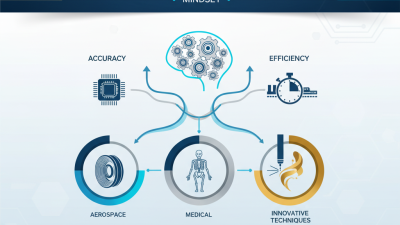
In the realm of advanced manufacturing, "High Precision Machining" plays a pivotal role. Companies specializing in this field contribute significantly to various industries. Precision is critical in areas such as aerospace, automotive, and medical devices. The need for accuracy cannot be overstated. Each part must meet strict specifications.
China has emerged as a hub for high precision machining. Numerous companies are leading the charge with innovative technologies and skilled workforce. They offer a range of services, from CNC machining to custom fabrication. Yet, not all players deliver the same level of quality. Some lack the necessary expertise. This can lead to costly errors.
Identifying the top companies in this sector is essential for anyone seeking reliable partners. The right choice can make a difference in production efficiency and product quality. As we explore the top ten high precision machining companies in China, remarkable capabilities and gaps will be unveiled. Understanding these factors can guide better decision-making in this critical manufacturing landscape.
Overview of High Precision Machining in China
High precision machining is an essential sector in China's manufacturing landscape. The country has become a leading player, accounting for over 30% of the global machining market. This growth is fueled by technological advancements and an increasing demand for high-quality components across various industries.
Recent reports indicate that the Chinese high precision machining market is valued at approximately $80 billion. This figure is expected to grow steadily, driven by sectors such as aerospace and automotive. However, challenges persist. Many companies struggle to maintain consistent quality standards. The skills gap in the workforce also raises concerns. These issues highlight the need for continuous training and investment in technology.
Despite these challenges, China remains committed to enhancing its machining capabilities. Investments in automation and artificial intelligence are on the rise. This shift is aimed at improving efficiency and precision. Companies must focus on establishing robust quality control measures. The drive for innovation will be key to overcoming growing competition and meeting international standards.
Top 10 High Precision Machining Companies in China
| Company Location |
Industry Focus |
Quality Certifications |
Year Established |
Employee Count |
Key Technologies |
| Shenzhen |
Aerospace |
ISO 9001, AS9100 |
2005 |
300 |
CNC Machining, 3D Printing |
| Shanghai |
Medical Devices |
ISO 13485 |
2010 |
150 |
Laser Cutting, Precision Machining |
| Beijing |
Automotive |
ISO/TS 16949 |
2002 |
500 |
CNC Milling, Heat Treatment |
| Guangzhou |
Telecommunications |
ISO 9001 |
2015 |
200 |
Injection Molding, Surface Finishing |
| Hangzhou |
Robotics |
ISO 9001, CE |
2018 |
100 |
Automation, Robotics Assembly |
| Chengdu |
Consumer Electronics |
ISO 9001, RoHS |
2000 |
400 |
CNC Turning, Finishing |
| Nanjing |
Aerospace & Defense |
ISO 9001, AS9100 |
1998 |
350 |
CNC Machining, EDM |
| Xi'an |
Semi-Conductor |
ISO 9001, ISO 14001 |
2012 |
250 |
Precision Grinding, Lapping |
| Tianjin |
Industrial Machinery |
ISO 9001 |
2004 |
600 |
CNC Routing, Welding |
| Shijiazhuang |
Oil & Gas |
ISO 9001, OHSAS 18001 |
2001 |
450 |
CNC Machining, Special Processes |
Criteria for Selecting Top High Precision Machining Companies
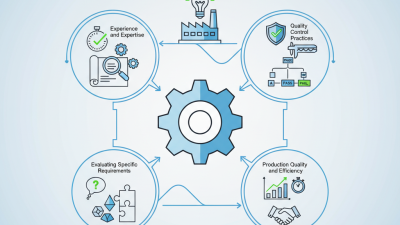
When selecting high precision machining companies, consider their technological capabilities first. Companies must utilize state-of-the-art CNC machines and automation tools.
Advanced technologies improve efficiency and reduce errors. A report by the China Machinery Industry Federation highlights that over 70% of leading firms focus on innovation. This practice boosts production rates significantly.
Quality assurance is another critical criterion. Companies need to follow rigorous standards like ISO 9001.
Data shows that firms adhering to these standards see a 30% reduction in defects. A robust quality management system instills confidence in clients. Inspecting past performance records also offers valuable insights into reliability.
Additionally, evaluate the company’s experience in specific industries. Those with years of expertise in aerospace or automotive have finer skills. According to a survey by the China Precision Machinery Association,
experience correlates strongly with precision output. Clients often overlook the importance of industry-specific knowledge, which can lead to costly mistakes.
Choosing a partner based solely on cost can also backfire, leading to insufficient support later on.
List of Top 10 High Precision Machining Companies in China
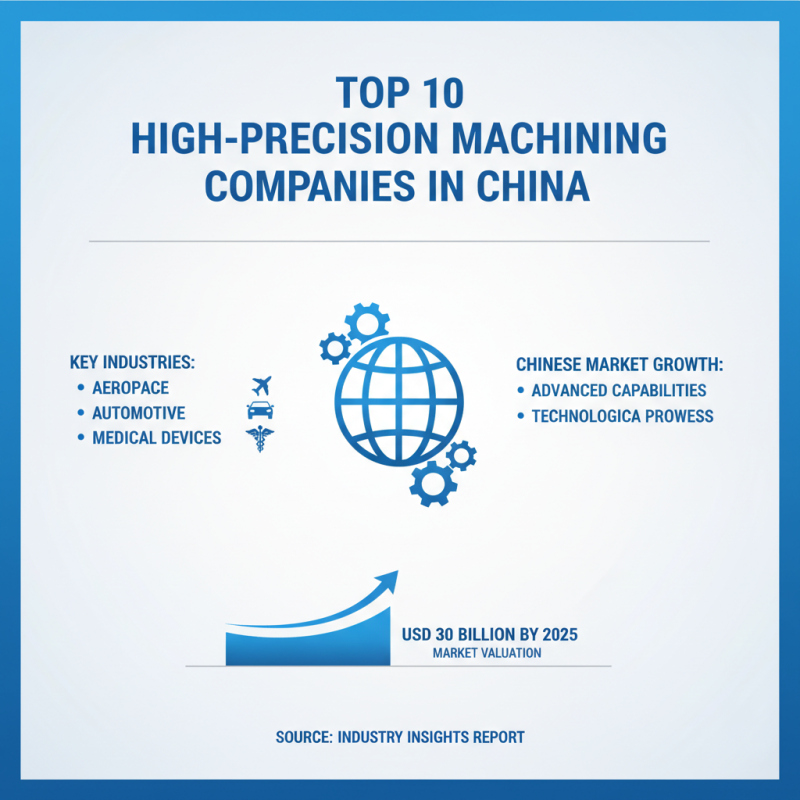
High precision machining is essential in industries like aerospace, automotive, and medical devices. Companies in China are gaining recognition for their advanced capabilities and technological prowess. According to a report by Industry Insights, the high precision machining market in China is expected to grow significantly, reaching a valuation of approximately USD 30 billion by 2025.
When considering the top companies in this field, it’s important to look beyond just their production capabilities. Competitive pricing and consistent quality remain crucial factors. However, data indicates that many companies are still adjusting to international standards, which can lead to quality inconsistencies. In an article from Manufacturing Trends, it was noted that around 20% of companies struggle with maintaining stringent quality control measures, causing potential supply chain disruptions.
Innovation also plays a critical role. Many firms are investing heavily in automation and smart manufacturing technologies. But there's a drawback; integrating new technologies poses challenges for workforce adaptation. Studies suggest that nearly 30% of employees in traditional machining sectors resist changing their skill sets. This tension between tradition and innovation highlights the need for continuous training and development. As the market evolves, so must the workforce.
Detailed Profiles of Each Company
Precision machining is crucial in various industries such as aerospace, automotive, and medical. Companies operating in China have made significant strides in high precision machining. They combine advanced technology with skilled labor. A recent industry report highlights that the precision machining market in China is expected to grow by 8% annually, driven by increased demand for high-quality components.
When evaluating top precision machining companies, consider their expertise and technology. Many firms invest in state-of-the-art CNC machines and adopt lean manufacturing practices. This commitment ensures a reduction in waste and improved efficiency. However, some companies struggle to maintain consistent quality. It's essential to scrutinize a company's quality control processes.
Tip: Look for companies with certified quality management systems. This indicates a dedication to maintaining high standards. Also, check for customer testimonials or case studies illustrating their capability.
Not every machining company excels in every area. Some may offer competitive pricing but lack advanced technology. Others focus on specific industries, impacting their versatility. Always weigh the pros and cons of each company.
Emerging Trends in High Precision Machining Industry in China
The high precision machining industry in China is experiencing rapid changes. New technologies emerge regularly, reshaping manufacturing practices.
Automation and advanced robotics are becoming common. These innovations are improving efficiency and reducing errors in production. Many companies are adopting smart manufacturing systems. This shift leads to more precise results.
Sustainability is also a significant trend. Manufacturers are focusing on eco-friendly practices. Reducing waste and energy consumption is a priority. However, implementing green technologies can be challenging. Some companies struggle with the initial costs and training required. Yet, the long-term benefits are undeniable.
Another trend is the rise of custom solutions. Increased demand for personalized products drives this change. High precision machining companies are adjusting to meet unique customer needs. Tailoring services may enhance customer satisfaction but can complicate operations. Striking a balance between customization and efficiency remains a challenge for many. Overall, the industry faces exciting yet complex developments.