What is Precision Turning Parts and Why Do You Need Them?
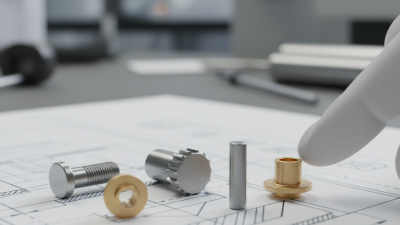
Precision Turning Parts play a crucial role in modern manufacturing. These components are created using advanced techniques that ensure accuracy and consistency. Many industries rely on precision turning for their production needs. From automotive to aerospace, the demand for high-quality parts is immense.
The making of Precision Turning Parts requires skilled technicians and state-of-the-art equipment. Different materials can be used, each offering unique benefits. For instance, steel parts are known for their strength, while aluminum parts are favored for lightweight applications. Each choice has implications for performance and durability.
In a competitive market, ensuring the quality of Precision Turning Parts is vital. Companies must focus on the reliability of their suppliers. A small error in manufacturing can lead to significant failures in the final product. Thus, investing in high-quality turning parts is not just a choice; it is a necessity for success.
Definition and Characteristics of Precision Turning Parts
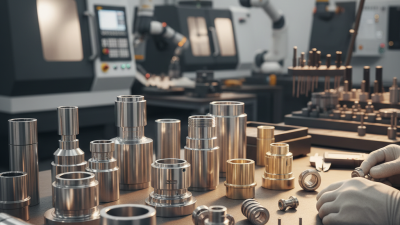
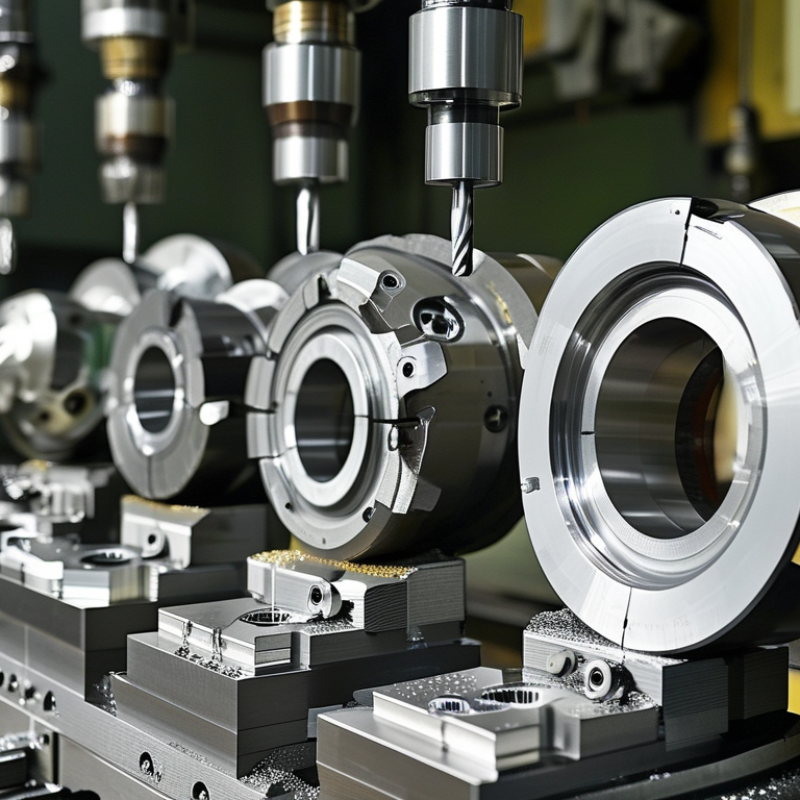
Precision turning parts are essential components in various engineering and manufacturing processes. These parts are typically machined from metal or plastic, ensuring tight tolerances and high accuracy. A recent report from the Precision Machined Products Association indicates that industries relying on precision turning components have grown by 15% over the past five years. This growth reflects the increasing demand for reliable and accurate parts in sectors such as automotive, aerospace, and electronics.
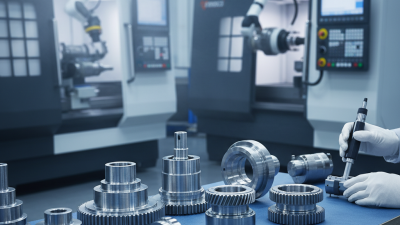
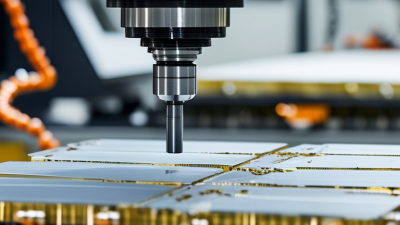
Characteristics of precision turning parts include their ability to be produced in high volumes with consistent quality. They are manufactured using CNC (Computer Numerical Control) machines, which enhance precision and reduce human error. The material selection contributes to their durability and performance. However, achieving the desired quality can prove challenging, especially when using new materials. An in-depth study found that nearly 30% of manufacturers encounter difficulties in maintaining accuracy during production.
Tips: Choose the right material for specific applications. Different materials have unique properties that affect performance. Understanding these differences ensures better results. Regularly calibrate CNC machines to maintain precision. This routine maintenance helps avoid costly mistakes. Lastly, consider investing in quality control technology to monitor parts during production.
Applications of Precision Turning Parts in Various Industries
Precision turning parts play a crucial role across various sectors. They are essential in industries such as aerospace, automotive, and medical devices. According to a recent report by ResearchAndMarkets, the precision machining market is expected to reach $168 billion by 2025. This growth emphasizes the demand for high-quality turning parts, which enhance the functionality and durability of end products.
In the aerospace industry, precision turning parts ensure safety and reliability. Components like landing gear and engine mounts require exact specifications. A small error can lead to catastrophic failures. Similarly, the automotive sector relies on these parts for engine components and transmission systems. Each part must meet stringent standards, resulting in a better-performing vehicle. Studies show that precise manufacturing increases a vehicle's lifespan by up to 30%.
Medical devices also benefit significantly from precision turning. Instruments like surgical tools must maintain high accuracy. Reports indicate that 75% of medical device recalls are due to manufacturing defects. By implementing precision turning, companies can decrease risks and enhance patient safety. The improvements in quality control mean fewer errors and better outcomes. These examples highlight the essential nature of precision turning parts across multiple industries, showcasing their impact on performance and reliability.
Applications of Precision Turning Parts in Various Industries
Benefits of Using Precision Turning Parts in Manufacturing
Precision turning parts play a crucial role in modern manufacturing. They are components created through precision machining processes. These parts are often used in industries like automotive, aerospace, and medical devices. Their main advantage lies in their accuracy and consistency, which is essential for high-quality products.
One significant benefit of using precision turning parts is enhanced efficiency. These components fit perfectly, reducing assembly time. Manufacturers can save costs by minimizing waste and rework. Additionally, precision turning allows for complex shapes and designs that might be challenging to achieve with traditional methods. The use of CNC machines ensures that each part meets stringent specifications and tolerances.
While precision turning is beneficial, it is not without challenges. Skilled operators are needed to run CNC machines effectively. Additionally, certain designs may require custom tooling, which can increase lead time and costs. It is vital for manufacturers to remain adaptable and continually assess their processes for improvement. A focus on precision can yield remarkable gains, yet it requires ongoing diligence in production practices.
Factors to Consider When Selecting Precision Turning Parts
Selecting precision turning parts involves several key factors that determine the quality and efficiency of your projects. Material choice is crucial. Common options include aluminum and stainless steel, each offering distinct properties. According to a recent industry report, about 45% of manufacturers prioritize material strength and weight when choosing components. This influences everything from durability to production cost.
Another important factor is the machining process. Different techniques yield varied tolerances and finishes. Precision turning typically requires a tolerance of ±0.001 inches or better. Poor machining can lead to part failures. You must carefully assess your project’s specifications against industry standards.
**Tip:** Always review the manufacturer’s tolerances. This ensures compatibility with your designs.
Additionally, surface finish plays a vital role. Smooth finishes reduce friction and wear. Focusing on the correct finishing method can enhance longevity. Studies show that improper surface treatments account for 30% of early part failures.
**Tip:** Ask for samples or prototypes. This helps detect potential issues before full-scale production.
Ultimately, understanding these factors can significantly influence your project's success. Careful consideration and expert review are essential to ensure optimal performance and durability in your precision turning parts.
What is Precision Turning Parts and Why Do You Need Them? - Factors to Consider When Selecting Precision Turning Parts
| Dimension |
Material |
Tolerances |
Applications |
Lead Time |
| 0.5 mm - 300 mm |
Aluminum |
±0.01 mm |
Aerospace components |
4-6 weeks |
| 1 mm - 200 mm |
Stainless Steel |
±0.005 mm |
Medical devices |
3-4 weeks |
| 0.3 mm - 150 mm |
Copper |
±0.02 mm |
Electrical connectors |
2-3 weeks |
| 1 mm - 250 mm |
Titanium |
±0.01 mm |
Automotive parts |
5-7 weeks |
The Future Trends in Precision Turning Technology and Innovation
The landscape of precision turning technology is evolving rapidly. Innovations are changing how various industries approach manufacturing. Advanced materials and processes are being developed. These changes improve efficiency and precision in production.
One significant trend is the integration of automation. Automated systems enhance speed and reduce human error. However, reliance on machines raises questions about job security. Balancing efficiency with the human touch is crucial. Another trend involves the increasing use of computer-aided design (CAD). CAD tools allow for rapid prototyping and customization. Yet, many companies struggle to maintain data security in this digital age.
Sustainability is also becoming a focal point. Manufacturers are exploring eco-friendly materials and practices. While this transition is promising, it may not be feasible for all companies. Cost implications can hinder adoption. The future of precision turning technology demands careful consideration of both innovation and its impacts.