2026 Top CMM Inspection Techniques for Global Buyers?
As global manufacturing evolves, the demand for precision in product quality intensifies. CMM inspection plays a crucial role in achieving this precision. Recent industry reports indicate that the global CMM market is projected to reach $1.6 billion by 2025, reflecting a compound annual growth rate of 6.5%. This growth is driven by advancements in measurement technologies and increasing automation in manufacturing processes.
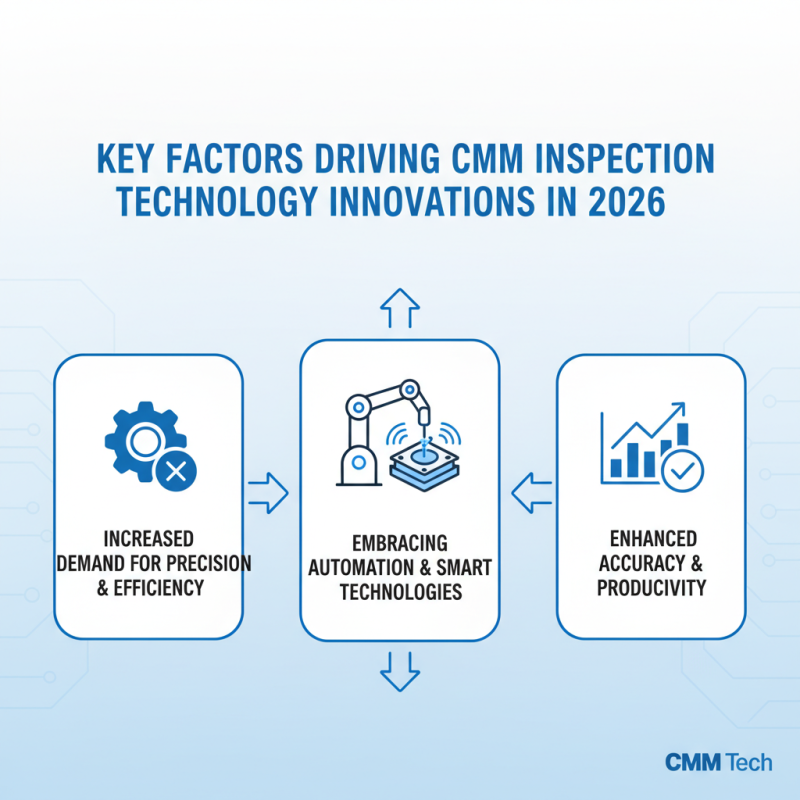
In 2026, top CMM inspection techniques will likely leverage automation and artificial intelligence for enhanced accuracy. These techniques will integrate with various industries, from aerospace to automotive. Despite the technological advancements, challenges remain. Data accuracy and integration issues can arise, making it essential for manufacturers to continually adapt their inspection strategies. The need for highly skilled professionals in CMM inspection is more significant than ever.
Addressing these challenges will require ongoing training and adaptation in CMM inspection practices. The industry's future hinges on a balance between embracing new technologies and ensuring reliability in inspection processes. Global buyers must navigate these developments effectively to meet quality standards.

Understanding CMM Inspection: An Overview for Global Buyers
CMM (Coordinate Measuring Machine) inspection has become crucial for manufacturers worldwide. This technique ensures that parts and assemblies meet precise standards. Global buyers need to understand its importance in maintaining quality control.
CMM inspection involves measuring an object's physical geometrical characteristics. Advanced sensors are often used. The machines can be operated manually or automated. This versatility allows for detailed inspections in various settings. A crucial aspect is the software that analyzes data collected during inspections. However, not all CMM systems are user-friendly, and training is vital for effective operation.
Many buyers overlook the importance of calibration. Regular calibration maintains measurement accuracy. Buyers might find it challenging to balance cost and quality. Some may find cheaper options appealing but regrettable in the long run. Ensuring reliable inspections should be a priority for any manufacturer. Understanding these nuances can help buyers make informed decisions in the global market.
Comparative Analysis of Top CMM Inspection Techniques Available Globally
In the realm of Coordinate Measuring Machines (CMM), a variety of inspection techniques are making waves globally. Recent reports indicate that companies are increasingly gravitating towards laser scanning, tactile probing, and white light scanning for precision measurements. According to a survey by the Manufacturing Technology Association, about 41% of manufacturers prefer laser scanning due to its speed and accuracy in complex geometries.
Laser scanning excels in capturing nuanced details, which is crucial for industries like aerospace and automotive. Yet, it often requires skilled technicians for optimal results. Tactile probing, preferred by 35% of manufacturers, remains a trusted choice for traditional part inspection. This technique's reliability comes with certain limitations in speed when dealing with intricate designs, which can be a drawback in high-volume environments.
White light scanning is emerging as a solid contender, offering a balance between speed and detail. While it shows promise, some users mention challenges related to surface reflectivity context. Overall, the choice of inspection technique depends on specific project requirements. Reports show that companies are evolving towards more integrated and versatile solutions, but a one-size-fits-all approach rarely exists in CMM inspections. Hence, careful analysis and tailored solutions remain pivotal for success.
2026 Top CMM Inspection Techniques for Global Buyers
| Technique |
Accuracy |
Speed |
Cost |
Best Application |
| Optical CMM |
Very High |
Moderate |
High |
Small and intricate parts |
| Laser Scanning CMM |
High |
Fast |
Moderate |
Complex geometries |
| Tactile CMM |
Moderate |
Low |
Low |
Dimensional measurements |
| Vision CMM |
High |
Very Fast |
High |
High-speed inspection |
| Portable CMM |
Moderate |
Moderate |
Medium |
On-site inspections |
Evaluating Cost-Effectiveness of CMM Inspection Methods for Buyers
Cost-effectiveness is a critical consideration for buyers evaluating CMM (Coordinate Measuring Machine) inspection techniques. Recent studies show that implementing advanced CMM systems can reduce inspection time by up to 30%. This efficiency not only enhances productivity but also helps in lowering operational costs in the long term. However, initial investment can be significant, often exceeding $50,000 for high-end models. Therefore, careful analysis is necessary to ensure the return on investment justifies these expenditures.
Moreover, a comprehensive understanding of each technique is essential. Traditional CMMs provide high accuracy but may not be the most cost-efficient option for all applications. Non-contact inspection methods, such as laser scanners, might be less expensive and faster for specific tasks. Industry reports indicate that these methods can reduce material waste by about 20% compared to traditional techniques, presenting a compelling argument for adoption. On the other hand, buyers must weigh potential inaccuracies against cost savings.
While cost-effectiveness is paramount, adaptability to evolving needs poses challenges. The rapid technological advancements can leave older systems outdated, leading to hidden costs. In contrast, investing in versatile CMM systems may offer longer-term benefits. Buyers should reflect on their long-term goals, production requirements, and how these factors align with the cost of CMM inspection methods. Understanding these nuances can lead to more informed decisions, ultimately fostering better operational outcomes.
2026 CMM Inspection Techniques Cost-Effectiveness Analysis
Future Trends in CMM Inspection Technologies for Enhanced Precision
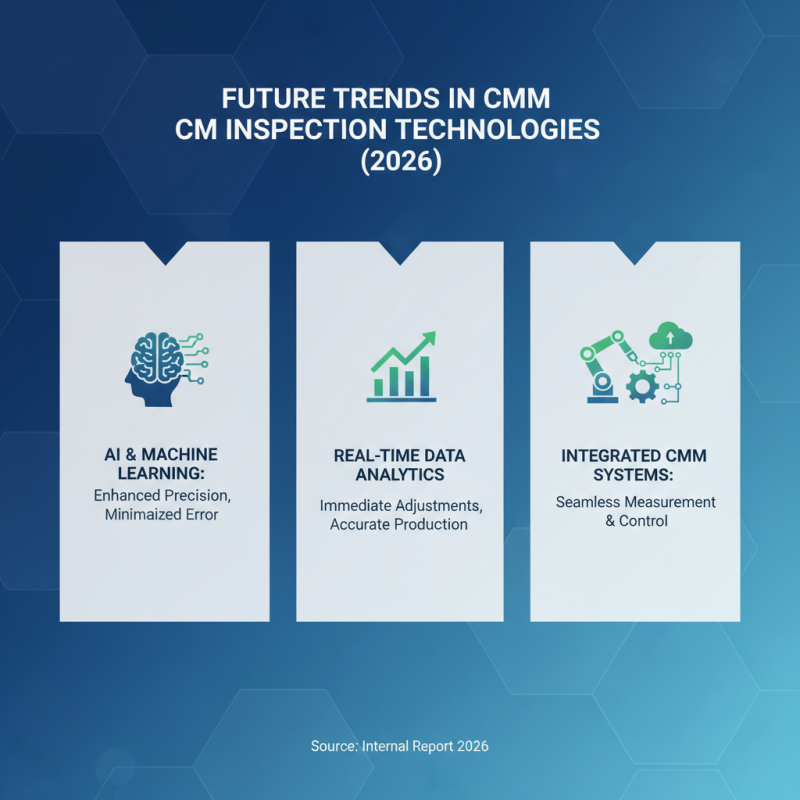
As we approach 2026, the landscape of Coordinate Measuring Machine (CMM) inspection technologies is set to evolve dramatically. Advanced CMM systems now incorporate artificial intelligence and machine learning algorithms. These innovations enhance precision in measurements, minimizing human error. The integration of real-time data analytics allows for immediate adjustments, ensuring accurate production.
The versatility of portable CMM devices is another trend worth noting. These devices enable on-site inspections, improving accessibility. They help manufacturers identify errors early in the production line. This not only saves time but also reduces costs associated with rework. However, challenges remain in standardizing measurement techniques across different environments. Ensuring reliable data collection from various settings can be complex.
In addition to technology advancements, the workforce requires ongoing training. As tools become more sophisticated, operators must be equipped with the right skills. Relying solely on technology without adequate training can lead to misinterpretations of data. Thus, investing in human capital is crucial for the future of CMM inspections. Balancing technology with skilled personnel remains a key challenge.